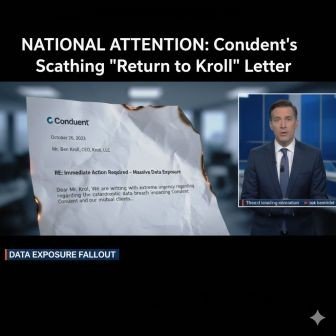

The Conduent return-to-Kroll letter is drawing national attention because it follows a massive data exposure that potentially compromised sensitive personal information of millions of individuals. The notice highlights growing concerns over cybersecurity failures and how companies respond after large-scale breaches.
The conduent return to kroll letter is now at the center of a nationwide discussion as millions of Americans learn they were affected by a significant data breach involving Conduent Business Services. With newly verified details available about the scope of the incident, the company’s response, and the real risks consumers now face, the situation continues to develop with urgency. Affected individuals are receiving official mailed notifications outlining the impact and the steps they must take to secure their personal and medical information. As more people come forward with questions, the incident is evolving into one of the most widely felt cybersecurity events of the year.
Latest Update : Why the Conduent Return to Kroll Letter
The ongoing fallout from the massive Conduent Business Services data breach has thrust the company’s return-to-Kroll notification letters into the spotlight as millions of Americans learn their personal and health information may have been exposed. The breach, one of the largest in recent U.S. healthcare history, resulted from a cyberattack that gave unauthorized access to Conduent systems between late October 2024 and January 2025, ultimately compromising sensitive data such as names, Social Security numbers, dates of birth and medical information for over 10-14 million affected individuals nationwide, depending on the latest state reports.
Recipients have expressed frustration that notification letters — many involving free identity monitoring and credit protection services administered by Kroll — arrived many months after the breach was first discovered, fueling public outcry and mounting litigation. Critics argue the delayed communication and scope of exposed data have heightened concerns about identity theft, regulatory scrutiny and accountability, prompting multiple class action lawsuits and increased media coverage.
A Far-Reaching Breach Affecting Millions Across the Country
Recent confirmations show that unauthorized actors accessed parts of Conduent’s systems for nearly three months, beginning in late October 2024 and continuing until mid-January 2025, when the breach was first discovered. The timing and duration of the incident enabled intruders to reach sensitive databases tied to healthcare and government programs, and because Conduent provides administrative processing and technology support for numerous large organizations across the United States, the breach spread widely across multiple states and programs. Initially, the company reported that more than 10.5 million individuals were impacted, making it one of the largest healthcare-related breaches in recent U.S. history; however, recent regulatory filings suggest that the total number of affected individuals may be significantly higher, with nearly 14.8 million impacted just in Texas alone, indicating the nationwide scope could be far greater than first disclosed.
More than 10.5 million individuals are now confirmed to be impacted. This places the incident among the largest breaches involving healthcare and administrative records in recent U.S. history, and the nature of the information involved has created widespread concern — not only due to the size of the affected population but also because the types of data exposed carry long-term identity and privacy risks.
Types of Information Confirmed Exposed
Individuals identified in the breach may have had one or more of the following data points accessed:
- Legal names
- Social Security numbers
- Health insurance member numbers
- Medical treatment details
- Billing and claims information
- Dates of service and provider data
- Demographic identifiers
This combination of personal and health-related data is especially troubling because it cannot simply be changed or reset. Once exposed, this information can circulate for years, enabling fraud schemes ranging from healthcare billing scams to synthetic identity theft.
How Notification Letters Became a Critical Part of the Response
In accordance with state and federal data-breach notification laws, Conduent was required to carry out a nationwide outreach effort to formally notify every individual whose information may have been compromised. This resulted in the launch of a large-scale mailing campaign, making written notification letters the primary and, in many cases, the first way affected people learned that their personal and health information had been exposed. The letters are designed to clearly explain what happened, the time period during which unauthorized access occurred, and why recipients are being contacted, while also outlining the potential risks associated with the exposure of sensitive data.
To manage the scale and complexity of this effort, much of the notification and support process has been administered by Kroll, a firm that specializes in data-breach response, identity-protection services, and victim assistance. The letters arriving in mailboxes typically provide a detailed overview of the incident, including a general timeline, a description of the systems involved, and a breakdown of the categories of information that may have been accessed, such as personal identifiers and health-related records. They also contain step-by-step instructions for enrolling in complimentary credit monitoring and identity protection services offered to help detect potential misuse of the exposed data.
In addition, the mailings often include guidance on practical protective measures, such as placing fraud alerts or credit freezes with the major credit bureaus, monitoring financial and insurance statements for unusual activity, and being alert to phishing attempts that could reference the breach. Contact information for dedicated call centers and support teams is also provided so recipients can ask questions, confirm their eligibility for services, and receive assistance tailored to their situation.
Depending on the specific letter and the services offered, some individuals are required to complete and return portions of the mailing, such as enrollment forms, identity verification documents, or activation codes, in order to fully access the protection being provided. Because tens of millions of notices are being distributed and each may contain different instructions based on the individual’s circumstances, these letters have become a central point of focus. Many recipients are closely reviewing the contents to understand what the communication means, what actions are expected of them, and how to take the necessary steps to safeguard their identities and personal information in the months and years ahead.
Read Also-Conduent Work From Home: Current Opportunities, Insights, and What Jobseekers Need to Know
What the Letters Contain
Each notification letter follows a structured, standardized format designed to meet state and federal disclosure requirements while also giving recipients clear, practical guidance. Although the exact wording and details may vary depending on the individual and the specific data involved, most letters are organized around several core sections:
Summary of the Incident
This opening section explains when the unauthorized access occurred, when it was discovered, and how the issue came to light. It typically describes the general nature of the intrusion, the time frame during which systems were exposed, and the steps taken to investigate and contain the activity. The summary also notes that a forensic review was conducted to determine which systems were affected and to identify the individuals whose information may have been involved.
List of Exposed Information
Here, recipients are told what categories of their personal data may have been accessed. This may include Social Security numbers, health insurance identifiers, medical or treatment information, billing and claims records, dates of service, or other personal and demographic details. By specifying the types of data involved, the letter helps individuals better understand their level of risk and which forms of protection—such as credit monitoring or medical identity safeguards—should be prioritized.
Identity Monitoring and Protection Enrollment Instructions
Most letters offer complimentary identity protection or credit monitoring services for a defined period. This section provides step-by-step instructions on how to enroll, including unique activation or registration codes, deadlines for sign-up, and an explanation of what the service covers. It may outline features such as credit report monitoring, fraud alerts, identity restoration assistance, and insurance coverage in the event of identity theft.
Recommended Protective Actions
This portion gives practical advice on what recipients should do immediately and over the longer term. Common recommendations include placing fraud alerts or credit freezes with the major credit bureaus, carefully reviewing bank, credit card, and insurance statements, watching for unfamiliar medical claims or explanation-of-benefits notices, and being alert to phishing or scam attempts that reference the breach. The guidance is often tailored to the specific types of information that were exposed.
Support and Contact Information
Each letter provides contact details for a dedicated support team or call center. This typically includes a toll-free phone number, hours of operation, and sometimes an email or website. Recipients are encouraged to use these resources to ask questions about the incident, confirm what information of theirs was involved, get help enrolling in monitoring services, or report suspected misuse of their data.
Beyond their immediate practical purpose, these notification letters also serve as formal, legally recognized records of exposure. Individuals may rely on them later if they need to file insurance claims, dispute fraudulent activity, work with law enforcement, or demonstrate that their personal information was affected in the event of legal or regulatory proceedings.
The Expanding Legal and Regulatory Fallout
Beyond the large-scale notification effort, the breach has also set off a growing wave of legal and regulatory action. Multiple class-action lawsuits have already been filed against Conduent on behalf of individuals whose information was exposed. These complaints generally argue that the company failed to put adequate cybersecurity safeguards in place, did not properly segment or protect sensitive systems, and allowed attackers to remain undetected for an extended period of time. Plaintiffs contend that this lapse has left millions of people facing an ongoing risk of financial fraud, medical identity theft, and long-term misuse of personal and health information.
At the same time, regulators at both the state and federal levels have begun formal reviews of the incident. Because the compromised data includes protected health information and insurance records, the breach potentially implicates multiple privacy and security laws, including healthcare-specific regulations as well as broader consumer data-protection statutes. These investigations typically focus on whether appropriate technical and administrative safeguards were in place, whether security controls met industry standards, how quickly the intrusion was detected and contained, and whether affected individuals were notified in a timely and accurate manner as required by law.
Large-scale breaches involving healthcare administrators and government service providers tend to draw heightened scrutiny because of the sheer volume of sensitive information involved and the potential for long-lasting harm. Unlike credit card numbers, medical and identity data cannot easily be changed, increasing the stakes for both consumers and regulators. As a result, the Conduent incident has intensified calls for stricter cybersecurity requirements, stronger oversight, and more rigorous accountability for third-party vendors that process and store vast amounts of personal and health information on behalf of public agencies and major institutions.
Understanding the Consumer Impact
For those affected, the breach poses immediate and long-term risks. Unlike password breaches, which can be resolved with resets, the exposure of Social Security numbers, medical details, and insurance identifiers can lead to fraud years after the initial incident.
Major Risks Include:
- Medical Identity Theft: Fraudsters may attempt to submit false claims or alter medical records.
- Financial Identity Theft: Social Security numbers can be used to open accounts or apply for credit.
- Insurance Fraud: Criminals may exploit exposed data to obtain services or medications.
- Synthetic Identity Creation: Combining stolen identifiers with fabricated data allows long-term fraudulent activity.
Individuals must be vigilant in monitoring both financial and medical documentation, as irregularities in either area may indicate misuse of exposed data.
Recommended Steps for Individuals Who Receive a Notification
If you receive a data breach notification letter, acting quickly can significantly reduce your risk of identity theft or fraud. While instructions may vary depending on the specific incident, the following protective steps are widely recommended:
1. Enroll in Identity Monitoring Services Immediately
Most notification letters include an offer for free credit or identity monitoring. These services track changes to your credit file, alert you to suspicious activity, and often provide fraud resolution support if identity misuse occurs. Enrollment deadlines may apply, so sign up promptly.
2. Freeze Your Credit
Placing a credit freeze with the three major credit bureaus prevents new credit accounts from being opened in your name without your authorization. A freeze is free, does not affect your credit score, and can be temporarily lifted if needed.
3. Monitor Health Insurance Statements
If the breach involves healthcare or insurance information, carefully review Explanation of Benefits (EOB) statements. Look for unfamiliar providers, services you did not receive, or denied claims that could signal medical identity theft.
4. Review Bank and Credit Card Activity
Even if the breach primarily involved administrative or healthcare data, exposed personal details can sometimes be used in broader fraud attempts. Regularly check your financial accounts for unauthorized charges or suspicious transactions.
5. Save All Documentation
Keep your notification letter, enrollment confirmations, and any related correspondence. These records may be important if you need to file a dispute, report fraud, or participate in a future settlement or compensation process.
Growing Public Discussion and Confusion Around the Letters
As millions of households begin to receive these notifications, many recipients have questions about how to interpret the documents, what actions are mandatory, and what to do if they suspect they were impacted but have not yet received anything. Online forums and consumer protection groups report rising inquiries about the authenticity of the letters, how to verify their legitimacy, and whether further communication should be expected.
Consumers should be aware that large-scale notifications often roll out over several weeks, and individuals may receive their letters at different times. The content of these letters is standardized and should closely match what is described in general advisories provided by organizations that contract with Conduent.
The ongoing mailing effort underscores how substantial the breach is and why it continues to draw attention nationwide. As more people review their information and respond to the instructions provided to them, awareness of the conduent return to kroll letter continues to grow.
What to Expect as the Situation Continues to Unfold
While notification letters are still being delivered across the country, the broader investigation and legal fallout will likely continue well into next year. Additional updates are expected as more impacted organizations review their own data relationships with Conduent and release independent statements.
Consumers should expect:
- Continued updates from organizations that use Conduent services
- Ongoing delivery of notification letters
- New legal filings and progress in existing cases
- Potential future announcements about security enhancements or regulatory actions
As new verified information becomes available, the scope and impact of the breach will become even clearer.
FAQs
What is the Conduent Return to Kroll letter?
It’s a data breach notification sent to people whose personal information may have been exposed in a cybersecurity incident involving Conduent. The letter offers free identity protection services through Kroll.
Why is it making national news?
Because the breach potentially impacted millions of Americans and involved sensitive data like Social Security numbers and health-related information.
What is Kroll’s role?
Kroll provides credit monitoring and identity theft protection services for people affected by data breaches.
Is the letter legitimate?
Most letters are legitimate breach notifications. However, scammers may try to copy them, so always verify the website and contact details before sharing personal information.
What should I do if I received it?
Read the letter carefully, enroll in the free monitoring service before the deadline, monitor your financial accounts, and stay alert for phishing scams.
Have you received one of these letters? Share your experience to help others stay aware and informed.