
Why is it called Palm Sunday is a question many Americans are asking today as churches across the country observe this important Christian day on March 29, 2026, marking the beginning of Holy Week.
Every year, millions take part in services where palm branches are handed out and waved during worship. While the tradition is widely practiced, the meaning behind the name often sparks curiosity. The answer lies in a specific historical and biblical event that has remained unchanged for centuries.
The Simple Reason Behind the Name
Palm Sunday gets its name from a defining moment in the life of Jesus Christ.
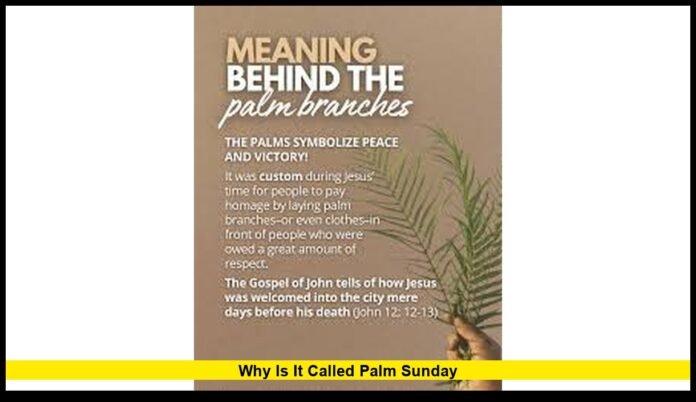
As recorded in the New Testament, Jesus entered the city of Jerusalem just days before his crucifixion. During this entry, large crowds gathered to welcome him. People placed palm branches on the road and waved them in the air as a sign of honor.
This act gave the day its name.
Palm branches symbolized respect and celebration, making them the most recognizable feature of this event. Over time, the day became widely known as Palm Sunday because of this powerful image.
What Happened on the First Palm Sunday
The event behind Palm Sunday is often called the “Triumphal Entry.”
Here’s what took place:
- Jesus rode into Jerusalem on a donkey, symbolizing humility
- Crowds gathered quickly and treated him like a king
- People shouted praises and spread palm branches on the ground
The use of palms was not random. It reflected how people honored leaders and celebrated victory in ancient times.
This moment is one of the few events described in all four Gospels, showing its importance in Christian belief.
Why Palm Branches Matter So Much
Palm branches carried deep meaning long before Palm Sunday existed.
Symbolism of Palms
- Victory: Used in celebrations after success or triumph
- Peace: Represented calm and goodwill
- Honor: Offered to respected leaders and figures
In the cultural context of Jerusalem at the time, laying palm branches in someone’s path was a powerful gesture. It showed admiration and hope.
That is why the crowd used palms when welcoming Jesus.
Palm Sunday in the United States Today
In 2026, Palm Sunday is being observed nationwide on March 29. Churches across the U.S. continue to reflect the original meaning of the day through long-standing traditions.
What Happens in Churches
- Worshippers receive palm leaves during services
- Many churches hold processions that mirror the original event
- Pastors share readings about Jesus’ arrival in Jerusalem
- Congregations sing and pray together
Some churches also create small crosses from palm leaves. People often keep them at home as reminders of faith throughout the year.
Why the Question Still Trends Every Year
Search interest in “why is it called Palm Sunday” rises each year during Holy Week.
There are clear reasons for this:
- Many people follow traditions without knowing their origin
- Younger audiences are exploring religious meaning online
- Social media increases awareness of religious holidays
As more people engage with faith-based content, questions like this become more common.
Palm Sunday’s Role in Holy Week
Palm Sunday is the starting point of Holy Week, one of the most important periods in Christianity.
Key Days That Follow
- Palm Sunday: Jesus enters Jerusalem
- Holy Thursday: The Last Supper takes place
- Good Friday: Jesus is crucified
- Easter Sunday: The resurrection is celebrated
This sequence gives Palm Sunday its deeper importance. It marks the beginning of the final chapter of Jesus’ life.
Key Facts You Should Know
Here’s a quick summary of Palm Sunday:
- Date in 2026: March 29
- Main Symbol: Palm branches
- Core Meaning: Honor, peace, and recognition
- Observed By: Christians across the United States and worldwide
These elements have remained consistent for generations.
Different Traditions, Same Meaning
While all Christians recognize Palm Sunday, traditions can vary slightly.
- Catholic churches often include formal blessings of palms
- Protestant churches focus on sermons and scripture readings
- Orthodox churches may follow a different calendar date
Despite these differences, the use of palm branches connects all denominations.
Why the Name Still Matters Today
The name “Palm Sunday” has not changed over time because it directly reflects what happened.
It is simple, clear, and tied to a powerful image—people honoring Jesus with palm branches.
Even in modern times, the name continues to carry the same meaning. It connects today’s observances with a moment that took place over 2,000 years ago.
Why Is It Called Palm Sunday: The Meaning That Endures
The answer to why is it called palm sunday comes down to a single, historic moment when palm branches became a symbol of honor, hope, and recognition.
That moment continues to shape how the day is observed in 2026. Churches still use palms, people still gather in large numbers, and the message remains the same.
Palm Sunday is not just a name. It is a reminder of a powerful event that still holds meaning for millions.
What traditions do you follow on Palm Sunday? Share your experience and join the conversation today.