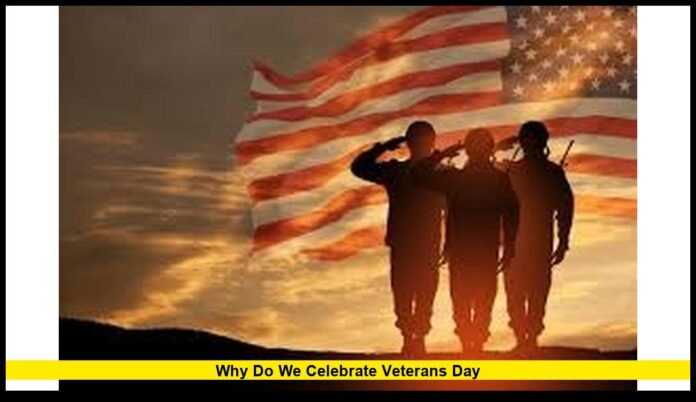

Every year on November 11, the United States comes together to honor the men and women who have served in the Armed Forces. But beyond the parades, ceremonies, and patriotic tributes, one question continues to resonate across generations: why do we celebrate Veterans Day?
The answer is far more than a historical commemoration — it’s a reflection of America’s values, gratitude, and unity. Veterans Day is a time to honor sacrifice, recognize courage, and remind ourselves that freedom endures because brave individuals continue to defend it.
The Historical Origin of Veterans Day
To understand why we celebrate Veterans Day, we must return to the moment that inspired it all. On November 11, 1918, at exactly 11 a.m., the guns of World War I fell silent after four years of unprecedented global conflict. That moment — the Armistice — marked the end of the “war to end all wars.”
In 1919, President Woodrow Wilson declared November 11 as Armistice Day, dedicated to honoring the soldiers who fought in World War I and celebrating the peace that followed. His message called for parades, public meetings, and a two-minute pause in daily activities to reflect on the bravery of those who had served.
However, as the decades passed and new generations of Americans went to war — in World War II, Korea, Vietnam, Iraq, and Afghanistan — it became clear that Armistice Day should evolve to recognize all veterans, not just those from the First World War.
In 1954, President Dwight D. Eisenhower signed legislation officially changing the name from Armistice Day to Veterans Day, transforming it into a national holiday that honors every American who has served in the U.S. Armed Forces.
The True Meaning Behind Veterans Day
While many associate the day with parades or a day off work, the deeper reason behind why we celebrate Veterans Day lies in the recognition of service — not just in times of war, but also in peace.
Veterans Day honors all who served, whether they fought on the front lines, supported missions abroad, or maintained peace at home. It’s a tribute to those who placed service above self and stood ready to defend the Constitution and the ideals it represents.
This holiday differs from Memorial Day, which honors those who lost their lives in military service. Veterans Day is meant to celebrate the living — to thank them personally for their dedication and to reflect on how their contributions shape our nation’s freedom and security today.
How America Celebrates Veterans Day in 2025
In 2025, the observance of Veterans Day carries renewed importance as communities across the country plan events that honor both history and the ongoing contributions of veterans. Despite challenges such as a prolonged federal government shutdown, Americans are finding creative ways to keep the spirit of the holiday alive.
- In Washington, D.C., the annual National Veterans Day Observance takes place at Arlington National Cemetery, where a solemn wreath-laying ceremony at the Tomb of the Unknown Soldier honors those who served in every era of American history.
- New York City hosts its 106th Veterans Day Parade, celebrating 250 years of military service. The parade features thousands of veterans, military bands, and grand marshals representing the Army, Navy, Air Force, Marines, Coast Guard, and Space Force.
- Across small towns and local communities, schools are holding assemblies, scout troops are placing flags on veterans’ graves, and local organizations are hosting breakfasts and concerts to honor their hometown heroes.
- Online tributes have also grown in popularity, with millions sharing stories, photos, and messages of appreciation across social media using hashtags like #VeteransDay, #ThankYouVeterans, and #HonorOurHeroes.
Even in the face of limited government operations, Americans continue to show their gratitude. Local businesses and major chains such as Applebee’s, Texas Roadhouse, and Starbucks are offering free meals and discounts to veterans as tokens of appreciation.
The Modern Relevance of Veterans Day
When we ask why do we celebrate Veterans Day today, the answer is both traditional and deeply current. Veterans represent more than America’s military past — they are an active part of its present and future.
Today, there are nearly 18 million veterans in the United States, representing all branches of the military. Among them are heroes from World War II, Korea, and Vietnam — now elderly but still honored for their bravery — as well as a growing number of younger veterans from Iraq, Afghanistan, and global peacekeeping missions.
These men and women not only defended the nation but continue to serve in civilian life as community leaders, teachers, entrepreneurs, police officers, and mentors. Veterans contribute daily to America’s progress long after they’ve hung up their uniforms.
Yet, the holiday also serves as a reminder of the challenges veterans face. Many struggle with reintegration, mental health, employment, and housing. Veterans Day encourages reflection and action — a call to ensure that those who served are never left behind once their service ends.
The Difference Between Veterans Day and Memorial Day
The distinction between Veterans Day and Memorial Day is crucial to understanding the holiday’s intent.
| Holiday | When It’s Observed | Purpose | Who It Honors |
|---|---|---|---|
| Veterans Day | November 11 | Celebrate and thank all who served in the U.S. military | Living and deceased veterans |
| Memorial Day | Last Monday in May | Remember and honor those who died while serving | Fallen service members |
Veterans Day celebrates the living — a chance to look into the eyes of those who served and say thank you.
How Schools and Families Are Teaching the Meaning of Veterans Day
Across America, classrooms are turning Veterans Day into an educational opportunity. Teachers are helping students understand why we celebrate Veterans Day through storytelling, art projects, and special assemblies featuring local veterans.
Children learn about the significance of the poppy flower — a symbol of remembrance inspired by the poem “In Flanders Fields” — and participate in flag ceremonies to show appreciation.
Families, too, are playing a role by discussing the meaning of service at home. Many parents use the day to teach their children the value of sacrifice, duty, and gratitude — lessons that go far beyond a single holiday.
The Symbolism and Traditions of Veterans Day
Several symbols and traditions are closely tied to the holiday:
- The American Flag: Flown proudly across the nation as a symbol of unity and freedom.
- The Moment of Silence: Many Americans pause at 11 a.m. to honor the original Armistice moment from 1918.
- The Wreath-Laying Ceremony: A sacred tribute at national cemeteries recognizing the unknown and fallen.
- The Red Poppy: Inspired by the resilience of flowers growing on battlefields, it represents remembrance and respect for those who served.
These traditions continue to evolve, blending history with modern expressions of appreciation — from virtual gatherings to light displays and public art installations honoring veterans.
Why Veterans Day Still Matters
In a time of global uncertainty and political division, Veterans Day stands as a rare moment of national unity. It reminds Americans that despite differences in belief or background, we all benefit from the courage of those who protect our freedom.
It’s also an opportunity to reflect on the ongoing role of the U.S. military around the world. Service members today operate in diverse missions — humanitarian relief, peacekeeping, cybersecurity, and defense — proving that the spirit of service extends far beyond combat.
By celebrating Veterans Day, Americans reaffirm their commitment to honor not only the service but also the well-being of veterans. That means supporting mental health initiatives, improving access to medical care, and helping veterans transition into fulfilling civilian lives.
How You Can Participate and Show Appreciation
You don’t have to be a veteran to make Veterans Day meaningful. Here are ways you can participate:
- Attend a local Veterans Day event or parade in your community.
- Fly the American flag proudly and explain its significance to younger generations.
- Reach out personally to a veteran — a simple “thank you for your service” can have a lasting impact.
- Support veteran-owned businesses or donate to trusted organizations like the American Legion or Wounded Warrior Project.
- Share stories on social media using hashtags such as #VeteransDay2025 and #WhyWeCelebrateVeteransDay to raise awareness.
Even small gestures of gratitude can help bridge the gap between civilians and those who served, ensuring that veterans feel seen, valued, and supported.
Looking Toward the Future of Veterans Day
As we move further into the 21st century, Veterans Day continues to evolve. The introduction of the U.S. Space Force, the growing number of female veterans, and advances in technology and defense all shape the modern image of military service.
Future observances may include digital tributes, augmented-reality memorials, and even virtual parades — but the heart of the holiday will always remain the same: to honor the courage and sacrifice of those who protect our nation.
Each Veterans Day reminds us that America’s strength lies not only in its military power but in its people — those willing to serve something greater than themselves.
In closing, the reason why we celebrate Veterans Day is simple yet profound — to honor, thank, and remember the heroes who safeguard our freedom. Their courage binds generations, their sacrifice inspires unity, and their legacy defines the American spirit. Share your reflections below on how Veterans Day inspires you — and how we can continue supporting our veterans every day of the year.