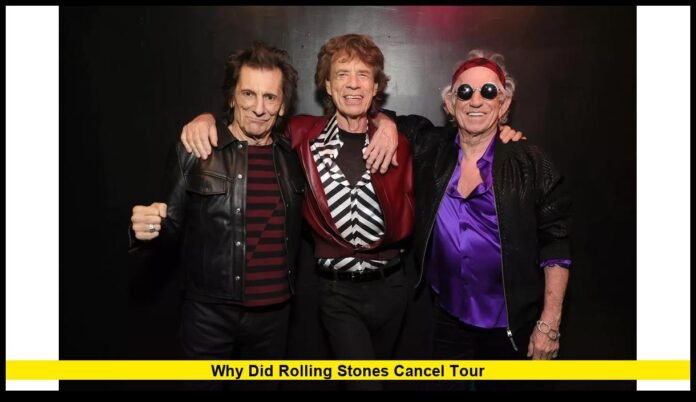

Why did Rolling Stones cancel tour plans for 2026 is a question that continues to draw attention as fans seek clear, factual answers. The legendary rock band officially halted preparations for another major tour, and the decision reflects present-day realities rather than uncertainty or rumor. As of today, the cancellation remains confirmed, with the reasons tied directly to touring feasibility and physical demands.
This article delivers a fresh, detailed explanation of what happened, why the tour was stopped, and what the decision means for the Rolling Stones and their fans, particularly in the United States.
Which Rolling Stones Tour Was Canceled?
The Rolling Stones were in the early stages of organizing a 2026 UK and European stadium tour. While no official announcement was made to the public, internal planning had progressed enough for the band to evaluate schedules, travel demands, and performance commitments.
The proposed tour would have:
- Included major stadium venues
- Required extended international travel
- Run for several months due to production scale
Before confirming dates, the band chose to end the planning process.
Why Did Rolling Stones Cancel Tour Plans?
The core reason behind the cancellation was Keith Richards’ inability to commit to the physical intensity of a long stadium tour. This decision was reached after careful internal discussion and assessment.
Key considerations included:
- Richards’ ongoing management of arthritis
- The strain of repeated full-length live performances
- The cumulative physical impact of long-distance travel
The band determined that committing to a demanding multi-country tour was not realistic under current conditions.
Touring Demands at This Stage of the Band’s Career
Large-scale touring requires far more than performing on stage. A stadium tour involves:
- Daily rehearsals
- Extensive travel across time zones
- Long performance sets with minimal recovery days
- Physical endurance over many consecutive weeks
For artists in their 80s, even with strong conditioning, this pace becomes increasingly difficult to maintain.
A Strategic Decision Made Early
One reason the cancellation did not involve refunds or public disruption is that it occurred before any formal announcement. The band chose to stop plans early rather than postpone or delay later.
This approach allowed:
- Clarity for all involved
- No public confusion about dates
- Reduced pressure on health-related decisions
It was a preventative choice rather than a reactive one.
How Age Influences Rolling Stones Touring Choices
The Rolling Stones continue to perform at an age rarely seen in modern music. However, age inevitably influences how touring is approached.
Current ages include:
- Keith Richards: early 80s
- Mick Jagger: early 80s
- Ronnie Wood: late 70s
While all remain musically active, the physical toll of touring has increased over time. The band now evaluates tours with sustainability as a priority.
Why Did Rolling Stones Cancel Tour but Stay Musically Active?
Canceling a tour does not mean slowing down creatively. In fact, the decision has allowed the band to focus energy in areas that do not carry the same physical strain.
Current priorities include:
- Studio recording
- Songwriting and collaboration
- Exploring alternative performance formats
This shift keeps the band productive while reducing physical risk.
No Final Tour or Retirement Announcement
The cancellation sparked speculation about retirement, but no such announcement has been made.
What the decision does not indicate:
- No end to the band’s career
- No farewell tour declaration
- No breakup or internal conflict
Instead, it reflects selective decision-making around how and when to perform live.
Fan Response to the Canceled Tour
Fan reactions were mixed but largely understanding. Many expressed disappointment, especially those hoping for another chance to see the band live in Europe.
At the same time, fans also showed:
- Respect for health-based decisions
- Appreciation for the band’s longevity
- Continued interest in future performances
In the U.S., fans focused on gratitude for recent tours and anticipation of new music.
Recent Touring Context
The Rolling Stones have remained active in recent years, though touring schedules have gradually shortened.
Recent patterns include:
- Fewer dates per tour
- Longer breaks between performances
- Emphasis on performance quality over volume
The canceled 2026 tour would have required a longer commitment than recent runs.
Why Stadium Tours Are the Most Demanding Option
Stadium tours are significantly more intense than smaller venue performances.
They require:
- Large-scale stage production
- Longer setup and teardown times
- Extended rehearsals
- High-energy performances for massive audiences
These factors increase physical demands, making stadium tours the most challenging format.
Why Did Rolling Stones Cancel Tour Instead of Reducing Dates?
Reducing dates would still require:
- Long-term travel commitments
- Extended rehearsals
- Sustained physical output
Canceling entirely provided the band with flexibility rather than locking into a scaled-down version that still carried risks.
Alternative Performance Possibilities
Although no new dates are confirmed, the band remains open to future live appearances under different conditions.
Possible formats include:
- One-night special events
- Short regional runs
- Festival-style performances
- Limited engagements with extended rest periods
These options allow live interaction without prolonged strain.
Creative Work Continues Without Touring
Studio work offers flexibility that touring cannot. Recording allows:
- Adjustable schedules
- Controlled environments
- Reduced physical demands
This creative focus ensures the band remains relevant and active.
Legacy and Longevity Considerations
After more than six decades of performing, the Rolling Stones now make decisions with legacy in mind.
Preserving health supports:
- Continued creativity
- Occasional future performances
- Consistent performance quality
Choosing restraint protects the band’s long-term presence.
Why This Decision Resonates With Fans
Many fans view the cancellation as a realistic and responsible move. It reinforces that:
- Longevity requires adaptation
- Health comes before scale
- Quality matters more than frequency
This perspective has shaped much of the positive reaction.
What Comes Next for the Rolling Stones
As of today, the Rolling Stones remain engaged in music and public life. Touring may pause, but creative output continues.
Fans can reasonably expect:
- New music releases
- Public appearances
- Carefully planned live performances when feasible
Why Did Rolling Stones Cancel Tour: The Bottom Line
The answer to why did Rolling Stones cancel tour comes down to practicality, health awareness, and long-term planning. Rather than committing to a demanding stadium tour, the band chose flexibility and sustainability.
This decision protects their ability to remain active while respecting physical limits.
Do you believe the Rolling Stones made the right call by canceling the tour? Share your thoughts and stay connected for future updates on their music and live plans.