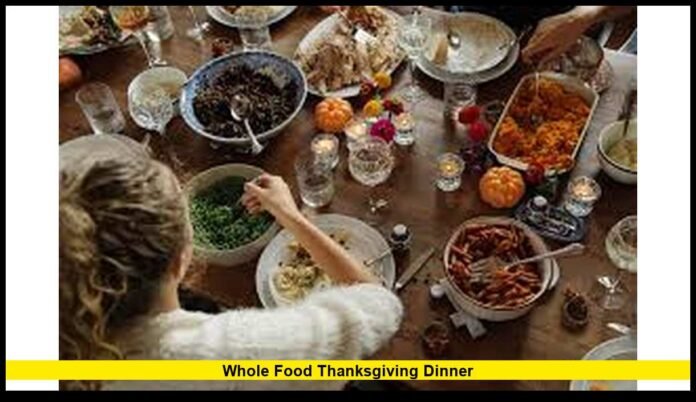

A whole food Thanksgiving dinner is becoming one of the most popular holiday trends in the U.S. this year. With fresh ingredients, simplified menus, and healthier choices shaping how families celebrate, Americans are shifting toward meals that focus on minimally processed foods. The latest updates for the 2025 holiday season show a strong emphasis on affordability, clean eating, and convenient shopping options that make whole-food holiday cooking easier than ever.
Grocery analysts report that the average cost of a traditional Thanksgiving dinner in the U.S. is expected to dip slightly this year, with estimates pointing to about a three-percent decrease compared with last year. Major retailers such as ALDI and Walmart have already released holiday meal bundles priced around $30–$40, offering complete spreads that serve eight to ten people. These bundles are helping families enjoy a whole food Thanksgiving dinner without stretching their budgets. Many bundles include a whole turkey, vegetables, stuffing ingredients and pies, giving shoppers a reliable and affordable base for a fresher, healthier meal.
What “Whole Food” Means for Thanksgiving in 2025
A whole food Thanksgiving dinner centers on ingredients that are fresh, minimally processed and closer to their natural state. This trend continues to grow as more Americans focus on health and simplicity. Key features of a whole-food holiday menu include:
- Fresh or frozen whole turkeys rather than pre-marinated or heavily processed birds
- Scratch-made vegetable sides using sweet potatoes, carrots, green beans or Brussels sprouts
- Whole-grain rolls or bread instead of refined white options
- Less reliance on canned or boxed mixes
- Desserts made from fresh fruit or whole-grain crusts
- Reduced use of additives, preservatives and artificial flavors
The movement toward whole foods aligns with broader nutrition trends across the U.S., including increased interest in whole grains, legumes, fresh produce and cleaner labels on packaged products.
Why More Families Are Choosing a Whole Food Thanksgiving Dinner
Shorter ingredient lists and fresher flavors are encouraging more families to rethink traditional Thanksgiving menus. Several factors are driving the shift toward whole-food celebrations:
1. Health and Wellness Priorities
Americans are increasingly mindful of sodium levels, artificial ingredients and ultra-processed foods. Whole-food options support cleaner eating without sacrificing flavor.
2. Better Flavor and Texture
Fresh ingredients often deliver deeper, more natural flavor. Techniques such as roasting vegetables, using fresh herbs and spatchcocking the turkey allow cooks to highlight the quality of their ingredients.
3. More Affordable Options
The availability of lower-cost Thanksgiving bundles gives shoppers a helpful starting point. Many families buy the bundle for staple items and supplement it with fresh, whole-food ingredients to elevate their menu.
4. Rising Interest in Ingredient Transparency
Consumers want to know what is in their holiday meal. Whole foods provide clear, simple ingredient profiles that help families feel more confident in what they serve.
What It Costs to Prepare a Whole Food Thanksgiving Dinner
Although whole-food ingredients can be more expensive than their heavily processed counterparts, the overall cost of Thanksgiving dinner is trending down slightly this year. This gives many households more flexibility to buy fresh produce or higher-quality meat.
Below is a simple breakdown of typical whole-food Thanksgiving components:
| Item | Details |
|---|---|
| Whole turkey or poultry | Fresh or frozen, without injected additives |
| Fresh vegetables | Sweet potatoes, carrots, green beans, Brussels sprouts |
| Whole-grain bread or rolls | Whole-wheat or mixed-grain options |
| Homemade desserts | Apple, pumpkin or berry pies using whole ingredients |
| Fresh herbs and spices | Rosemary, thyme, sage, cinnamon |
For many families, upgrading key items—such as vegetables, bread and dessert ingredients—creates a fresher and more nutritious meal without significantly raising costs.
Latest Trends Shaping Whole Food Thanksgiving Dinner Preparation
Bundled Savings With Whole-Food Potential
Retailers are promoting cost-friendly meal bundles. Shoppers often use these bundles for the basics, then substitute or upgrade processed components with whole-food alternatives.
Simplified Cooking Methods
More Thanksgiving hosts are skipping traditional stuffed whole turkeys and opting for easier, faster cooking methods. Spatchcocked turkeys and turkey-breast roasts are gaining popularity because they cook more evenly and retain moisture.
Convenience Without Compromise
Meal-kit companies are offering Thanksgiving kits with fresher ingredients and step-by-step recipes. These kits support whole-food cooking while reducing prep time.
Fresh Produce Demand
Grocery stores report increased sales of fresh sweet potatoes, Brussels sprouts and green beans during Thanksgiving week. These items form the foundation of a whole food Thanksgiving dinner.
Tips for Hosting a Whole Food Thanksgiving Dinner
- Shop one to two weeks early to get the best selection of fresh produce.
- Choose fresh herbs over dried blends for stronger, cleaner flavor.
- Roast vegetables with minimal oil and salt for a natural, rich taste.
- Replace canned cranberry sauce with a homemade version using fresh berries.
- Use whole-grain or sourdough bread cubes for stuffing.
- Make desserts from scratch to avoid processed fillings or artificial ingredients.
These steps help create a festive meal that tastes richer and feels more nourishing, without requiring complicated recipes.
Hosting a whole food Thanksgiving dinner in 2025 is easier, more affordable and more popular than ever. With fresh ingredients, smart shopping and simple recipe choices, families can enjoy a healthier holiday without losing the comfort and joy that Thanksgiving brings.
Share your favorite whole-food Thanksgiving dishes below—your tips may inspire another cook this season!