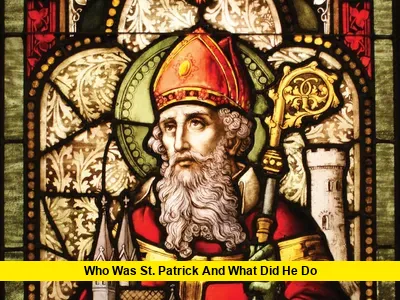

Every year around March 17, one question explodes across search engines and social feeds: who was St. Patrick and what did he do? In 2026, that curiosity is trending again as Americans celebrate with parades, green outfits, and Irish-themed events—while also digging deeper into the real story behind the man at the center of it all.
St. Patrick’s legacy goes far beyond shamrocks and celebrations. His life story includes captivity, faith, and a mission that reshaped an entire country. And as more people learn the truth, the conversation keeps gaining momentum online.
If you’ve ever wondered how much of the story is real versus tradition, you’re not alone—keep reading as we break down the facts people are talking about right now.
What Started the Conversation
This year’s surge in interest comes from a mix of social media explainers, classroom discussions, and viral posts that challenge long-held assumptions.
Many Americans grew up associating St. Patrick strictly with Ireland and festive traditions. But recent posts are highlighting deeper historical details—especially his origins, his captivity, and his role as a missionary.
That shift from celebration to curiosity is what’s fueling the trend.
What Fans First Noticed
One of the biggest surprises for many is that St. Patrick wasn’t actually born in Ireland.
He was born in Roman Britain, likely in the late 300s or early 400s, into a Christian family. His early life looked nothing like the heroic figure people imagine today.
That contrast—between the legend and the real person—has caught people’s attention.
The Captivity Story That Changed Everything
As a teenager, Patrick was kidnapped by Irish raiders and taken to Ireland as a slave.
He spent about six years there, working as a shepherd. During that time, he turned deeply to his faith, which would later shape his entire mission.
This chapter of his life stands out because it transformed him from an ordinary young man into someone driven by purpose.
The Escape and Unexpected Return
After years in captivity, Patrick managed to escape and return to his family in Britain.
But what happened next is what truly defines his legacy.
Instead of staying home, he chose to go back to Ireland—this time voluntarily—as a Christian missionary. That decision continues to fascinate people today, especially online, where many see it as a powerful example of resilience and conviction.
What Social Media Users Are Saying
Across platforms, reactions range from surprise to admiration.
Some users say they never realized how dramatic his life story was. Others are sharing short summaries of his journey, calling it “way more intense than the holiday suggests.”
There’s also a growing appreciation for the historical complexity. People are pointing out that his story includes themes of survival, forgiveness, and cultural exchange—not just celebration.
What St. Patrick Actually Did in Ireland
So, who was St. Patrick and what did he do in practical terms?
He played a major role in spreading Christianity throughout Ireland.
Patrick traveled extensively, teaching, baptizing, and establishing Christian communities. Over time, he became one of the most influential religious figures in Irish history.
Tradition also credits him with using the shamrock to explain the concept of the Trinity, though that detail is more symbolic than historically verified.
His work helped shape Ireland’s religious identity for generations.
The Symbols People Recognize Today
Even those who don’t know his full story recognize the symbols tied to him:
- The shamrock
- The color green
- Celebrations of Irish culture
- Parades and festivals across the U.S.
These elements have become central to how Americans experience St. Patrick’s Day, even if they only reflect part of the historical picture.
Why This Story Keeps Going Viral
The renewed interest in St. Patrick comes down to one key factor: people love uncovering the real stories behind familiar traditions.
In the U.S., where St. Patrick’s Day is widely celebrated, learning that the man himself had such a complex background adds a new layer of meaning.
It also reflects a broader trend of revisiting history through a modern lens—questioning assumptions and sharing lesser-known facts.
What He Said About His Own Life
St. Patrick left behind writings that offer insight into his experiences.
He described his captivity, his faith, and his sense of calling. These personal accounts remain some of the most important sources for understanding his life.
They reveal a figure who saw his journey not just as survival, but as part of a larger purpose.
Why His Legacy Still Matters Today
St. Patrick’s influence extends far beyond religion.
He became a symbol of Irish identity and resilience. Over time, his story evolved into a global celebration that connects millions of people to Irish culture.
In America, that connection is especially strong, with cities hosting major parades and events every year.
What Happens Next
As St. Patrick’s Day continues to grow in popularity, expect even more conversations about the real history behind it.
Educators, creators, and historians will likely keep sharing new ways to understand his life—especially for younger audiences discovering the story for the first time.
And as social media keeps amplifying these discussions, the question “who was St. Patrick and what did he do” isn’t going away anytime soon.
What do you think about St. Patrick’s real story—does it change how you see the holiday? Share your thoughts and stay updated.