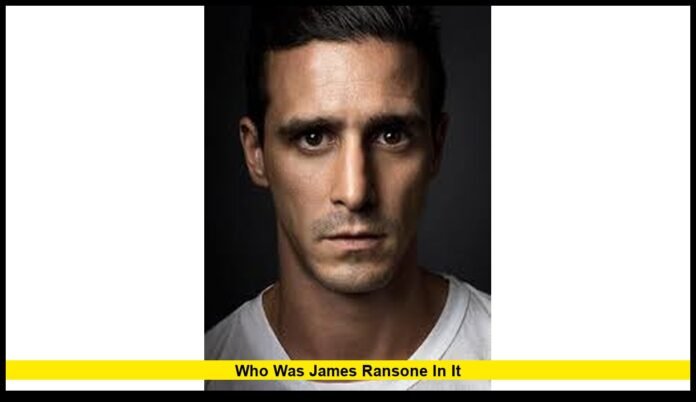

Who was James Ransone in It remains a frequent question among horror fans revisiting It Chapter Two, as his portrayal of adult Eddie Kaspbrak continues to leave a strong emotional impact. James Ransone brought depth, humor, and vulnerability to the role, making Eddie one of the most relatable characters in the film’s adult ensemble.
Years after the movie’s release, his performance still sparks discussion, particularly among viewers drawn to character-driven horror storytelling.
James Ransone’s Place in It Chapter Two
James Ransone portrayed the adult version of Eddie Kaspbrak, one of the original members of the Losers’ Club. When the group returns to Derry decades after their childhood encounter with Pennywise, Eddie’s emotional journey becomes one of the film’s most personal arcs.
As an adult, Eddie appears outwardly successful and composed. Beneath that surface, however, he carries unresolved fear, anxiety, and deeply ingrained habits shaped by his childhood.
Ransone’s interpretation focused on those internal struggles rather than exaggeration, grounding the character in realism.
Understanding Eddie Kaspbrak as an Adult
Eddie Kaspbrak’s life has been shaped by fear since childhood. Overprotective parenting left him anxious and unsure of his own strength. While adulthood brings independence, it does not erase the emotional patterns formed early in life.
Adult Eddie is:
- Highly organized and routine-driven
- Quick-witted and sarcastic
- Emotionally guarded
- Loyal to those he trusts
James Ransone conveyed these traits through subtle physical cues and controlled emotional shifts, allowing viewers to understand Eddie without constant exposition.
How James Ransone Balanced Humor and Fear
One of the defining aspects of Ransone’s performance is balance. Eddie’s humor never feels forced, nor does it undermine the horror. Instead, it functions as a coping mechanism.
In tense scenes, Eddie often deflects fear with jokes. In quieter moments, Ransone lets the fear surface through hesitation, posture, and expression. This contrast makes the character feel authentic.
Rather than portraying Eddie as weak, Ransone presented him as someone learning to confront fear on his own terms.
Connection to the Younger Eddie
The transition between the child and adult versions of Eddie is one of the film’s strongest character continuities. Ransone mirrored key traits established earlier, ensuring emotional consistency.
These shared elements include:
- Nervous body language
- Rapid speech during stressful moments
- A tendency to seek reassurance
The result is a seamless sense of growth rather than a complete transformation, which strengthens the film’s emotional payoff.
Key Moments That Define Ransone’s Eddie
Several scenes highlight why viewers continue asking who was James Ransone in It.
Returning to Childhood Locations
When Eddie revisits places tied to early trauma, Ransone’s restrained reactions heighten tension. His fear feels lived-in rather than theatrical, which draws audiences deeper into the moment.
Group Dynamics
Eddie’s interactions with the other Losers reveal his emotional evolution. Ransone’s chemistry with the ensemble adds warmth and realism, reinforcing the group’s shared history.
Moments of Courage
Eddie’s bravery does not come from confidence. It comes from action taken despite fear. Ransone’s portrayal makes those moments feel earned rather than symbolic.
Why the Performance Feels So Human
Horror films often rely on spectacle, but It Chapter Two leans heavily on character. James Ransone’s Eddie stands out because his fear mirrors real-world anxiety.
Viewers connect with:
- The pressure to appear strong
- Lingering childhood fears
- The struggle to trust oneself
These elements elevate Eddie beyond genre expectations.
James Ransone’s Acting Style and Background
James Ransone has built his career around immersive, character-driven performances rather than surface-level intensity. He often approaches roles from the inside out, focusing on emotional honesty and psychological detail instead of exaggerated expression. This style allows his characters to feel grounded and recognizable, even in heightened or dramatic settings.
Throughout his work, Ransone tends to prioritize subtlety. He uses body language, pacing, and quiet reactions to communicate what a character is feeling, rather than relying on overt dialogue or dramatic gestures. That restraint gives his performances a sense of realism that resonates with audiences.
This approach proved especially effective for Eddie Kaspbrak, a character shaped by fear, habit, and internal struggle rather than confidence or authority. Instead of portraying Eddie as overtly fragile or comical, Ransone let the character’s anxiety surface naturally. Moments of fear appear through hesitation, controlled tension, and quick shifts in tone, making Eddie’s reactions feel authentic.
By avoiding exaggeration, Ransone allowed Eddie’s emotional growth to unfold gradually. The character does not change overnight or suddenly become fearless. Instead, his progress feels earned, built through small acts of courage and self-awareness. That steady development makes Eddie’s journey believable and emotionally satisfying for viewers.
This thoughtful, restrained acting style is a key reason James Ransone’s performance continues to stand out and remain memorable long after the film ends.
Audience Response to James Ransone in It
Viewers responded strongly to Ransone’s performance. Many highlighted his ability to:
- Maintain continuity with the younger cast
- Deliver humor without disrupting tension
- Add emotional depth to group scenes
For some fans, Eddie became the emotional anchor of the adult storyline.
Read Also:- James Ransone Movies: Career Highlights, Defining Roles, and Lasting Influence
Why Fans Keep Asking Who Was James Ransone in It
The question continues to surface because James Ransone’s performance left a lasting emotional mark. His portrayal of Eddie Kaspbrak showed how fear does not simply disappear with age. Instead, it can follow a person into adulthood and quietly shape choices, behavior, and self-confidence.
Eddie is not written as someone who conquers fear easily. He hesitates, doubts himself, and often second-guesses his instincts. That struggle feels real to many viewers because it mirrors everyday experiences rather than heroic fantasy.
What makes Eddie’s journey resonate is the way courage develops slowly. His brave moments arrive after uncertainty, not in spite of it. James Ransone portrayed fear as a natural part of being human, not a flaw to be hidden or mocked.
By treating fear with empathy rather than exaggeration, Ransone allowed audiences to connect with Eddie on a personal level. That authenticity is why viewers continue to ask who was James Ransone in It long after the film ends.
Eddie Kaspbrak’s Role in the Losers’ Club
Within the group, Eddie represents vulnerability and skepticism. He often questions decisions, not out of doubt, but out of fear of consequences.
That role is essential. It creates balance within the group dynamic and highlights the emotional cost of confronting trauma.
Ransone’s performance ensured Eddie remained central rather than secondary.
Emotional Weight in the Final Act
As the story reaches its conclusion, Eddie’s arc carries significant emotional weight. Ransone handled these moments with restraint, allowing emotion to emerge without overstating it.
His performance emphasizes:
- Growth without complete transformation
- Courage rooted in connection
- Acceptance of fear rather than denial
These themes give Eddie’s journey lasting impact.
The Lasting Impact of James Ransone in It
Years after the release of It Chapter Two, James Ransone’s performance continues to stand out as one of the film’s most memorable elements. His portrayal of Eddie Kaspbrak feels grounded and authentic, avoiding exaggeration in favor of emotional truth. Eddie is not presented as a fearless hero or a one-dimensional victim. Instead, he comes across as a real person shaped by long-term fear and personal history.
What makes the performance resonate is its honesty. Ransone allows Eddie to be awkward, uncertain, and vulnerable without turning those traits into caricature. The character’s flaws feel natural, not scripted, which helps audiences connect with him on a personal level. Viewers recognize Eddie’s anxiety, self-doubt, and moments of courage because they reflect common human experiences.
This authenticity encourages repeat viewings. Audiences return to the film not just for its horror elements, but to revisit Eddie’s emotional journey and the way it unfolds within the group dynamic. Conversations about the film often return to Ransone’s performance because it adds depth that lingers beyond the final scene.
By grounding a supernatural story in believable emotion, James Ransone gave It Chapter Two a character who continues to matter long after the credits roll.
Why the Role Still Holds Relevance Today
Fear, anxiety, and self-doubt are not confined to childhood, and Eddie Kaspbrak’s story reflects that truth with honesty. Many people grow up believing they have left their fears behind, only to discover that early emotional patterns can follow them into adulthood. Eddie’s journey mirrors this experience, making his character feel grounded and familiar rather than fictional.
James Ransone’s portrayal captures the quiet ways fear can shape behavior. Eddie is not defined by panic alone. Instead, his anxiety appears in hesitation, overthinking, and a constant need for reassurance. These traits resonate with viewers who recognize similar struggles in their own lives.
What makes the performance especially impactful is its lack of judgment. Eddie is never portrayed as weak or incapable. His fear does not diminish his value or courage. By presenting anxiety as a human condition rather than a flaw, the role becomes accessible to a wide range of audiences.
This emotional authenticity helps explain why the character continues to resonate today. In a time when mental health conversations are more open than ever, Eddie’s story feels relevant, compassionate, and deeply relatable.
What His Performance Adds to the Film’s Legacy
It Chapter Two succeeds not only as a horror film, but as a character study. James Ransone’s Eddie helps ground the story in emotional truth.
His portrayal ensures the film remains memorable beyond its scares.
Who was James Ransone in It for you? Share your thoughts and stay connected for more in-depth film coverage.