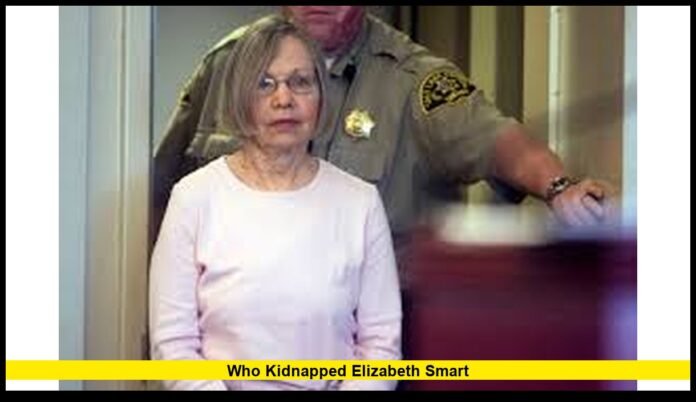

Who kidnapped Elizabeth Smart is a question that continues to resonate across the United States more than two decades after the abduction that stunned the nation. The case remains one of the most closely examined child kidnappings in modern American history, not only because of its terrifying circumstances, but also because of the long search, the dramatic rescue, and the lasting impact on child safety awareness.
Elizabeth Smart was taken from her Salt Lake City home in the early hours of June 5, 2002. She was just 14 years old. The crime unfolded silently while her family slept, and within minutes, a teenager vanished into the darkness, launching a massive manhunt that would stretch on for nine agonizing months.
The Intrusion That Changed Everything
The abductor entered the Smart residence through an unlocked door. Armed with a knife and wearing dark clothing, he moved directly to the bedroom where Elizabeth slept. He threatened her and her younger sister, warning that he would kill the family if she resisted or cried out.
Elizabeth was forced outside and led into the night. The speed and confidence of the intruder suggested planning and familiarity with the home’s layout. The family awoke to every parent’s worst nightmare: their daughter was gone.
Law enforcement quickly determined the abduction was targeted, not random. The precision of the crime pointed to someone who had observed the home and its routines.
Identifying the Kidnappers
The confirmed individuals responsible were:
- Brian David Mitchell, the man who carried out the abduction and controlled Elizabeth during captivity
- Wanda Barzee, his wife, who actively assisted and enforced the conditions of confinement
Mitchell was the dominant figure. He styled himself as a religious prophet and lived on the fringes of society. His belief system was extreme and self-serving, and he used it to justify violence, control, and sexual exploitation.
Barzee was not merely present. She supported Mitchell’s authority, helped guard Elizabeth, and reinforced the psychological pressure that kept the teenager compliant and isolated.
Life Under Captivity
Elizabeth was moved through remote campsites, urban hiding places, and makeshift shelters. Her appearance was altered with robes and head coverings to reduce recognition. Mitchell controlled every aspect of her existence, including when she could speak, eat, or move.
Fear was his most powerful weapon. He convinced her that escape would result in her family’s deaths. Barzee echoed these threats, strengthening the illusion that they were omnipresent and all-knowing.
Despite moments in public view, Elizabeth remained silent, trapped by terror and manipulation. The environment created by her captors was designed to erase her sense of safety, identity, and hope.
The Investigation That Would Not Stop
From the first hours after the disappearance, local and federal agencies mobilized. Thousands of tips poured in. Neighborhoods were searched. Posters spread across the country. The case dominated national news.
A critical development came from Elizabeth’s younger sister. She provided a detailed description of the intruder’s voice, mannerisms, and religious language. That memory would later prove decisive.
Months later, the voice matched that of a street preacher seen in public spaces around Utah. The man was Brian David Mitchell.
The Moment of Rescue
On March 12, 2003, police stopped a man and woman walking with a young girl near Sandy, Utah. The girl matched Elizabeth’s description. She was alive.
The suspects were Brian David Mitchell and Wanda Barzee.
The confirmation ended one of the most intense missing-child searches in American history. Elizabeth was reunited with her family, and the nation watched as a long nightmare finally broke.
Courtroom Battles and Sentencing
Mitchell’s case was complicated by years of mental competency evaluations. Ultimately, he was ruled fit to stand trial.
A federal jury convicted him of:
- Kidnapping
- Transporting a minor for sexual purposes
- Aggravated sexual abuse
He received life in prison without the possibility of parole. He remains incarcerated under that sentence today.
Barzee chose a different legal path. She pleaded guilty to kidnapping and related charges. Her sentence totaled 15 years, with credit for time served. She was released in 2018 under strict conditions, including lifetime sex offender registration and supervision.
Her release reignited public debate about sentencing, parole, and long-term monitoring of offenders involved in violent crimes against children.
Public Reaction and National Impact
The case reshaped how the country viewed child abduction. It highlighted the importance of:
- Immediate public alerts
- Community vigilance
- Listening carefully to child witnesses
- Rapid coordination between agencies
Elizabeth Smart’s ordeal became a reference point in law enforcement training and victim advocacy programs nationwide.
Elizabeth Smart’s Life After Captivity
Rather than retreat from public life, Elizabeth chose to speak. She became an author, advocate, and educator, focusing on:
- Child safety
- Trauma recovery
- Prevention of exploitation
- Support for missing persons’ families
She has worked with lawmakers, schools, and law enforcement, pushing for reforms that strengthen protection for vulnerable children and improve response systems.
Her work emphasizes that survival is not the end of the story. Healing, justice, and prevention must follow.
Why the Question Still Echoes
Understanding who kidnapped Elizabeth Smart remains vital for several reasons:
- Accountability – Clear identification of perpetrators reinforces justice.
- Education – The case teaches how grooming, control, and fear operate.
- Prevention – It shows how community awareness can interrupt crimes.
- Policy – It continues to influence laws related to missing children and offender monitoring.
The crime was not an isolated incident in history. Its lessons continue to shape modern safety practices.
Key Facts Summary
| Category | Information |
|---|---|
| Victim | Elizabeth Smart |
| Age at Abduction | 14 |
| Date | June 5, 2002 |
| Location | Salt Lake City, Utah |
| Primary Offender | Brian David Mitchell |
| Accomplice | Wanda Barzee |
| Recovery Date | March 12, 2003 |
| Mitchell’s Sentence | Life without parole |
| Barzee’s Status | Released under supervision |
The Ongoing Conversation
Documentaries, interviews, and survivor advocacy continue to bring the story to new generations. Each retelling serves a purpose: to remind the public that vigilance saves lives and that victims’ voices matter.
The crime that once dominated headlines now stands as a case study in resilience, investigative persistence, and the long road from trauma to empowerment.
The truth about who kidnapped Elizabeth Smart is firmly established, but the lessons of the case continue to unfold. Stay engaged, stay informed, and be part of the conversation that helps protect children and support survivors.