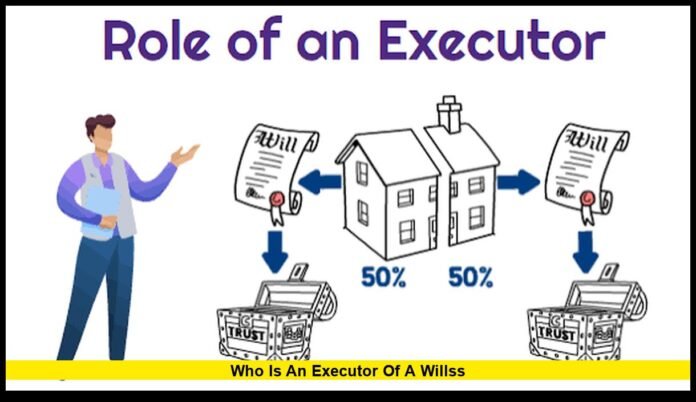

When a person dies, managing their money, property, and outstanding obligations often falls to someone they selected in advance. Understanding who is an executor of a will helps families prepare for probate, protect inherited assets, and understand the legal responsibilities involved in settling an estate. In the United States, an executor typically oversees the estate administration process, follows the deceased person’s valid instructions, and distributes property after addressing applicable debts, expenses, and legal requirements.
The position can involve much more than signing paperwork or handing possessions to relatives. Executors may need to communicate with financial institutions, work with attorneys, file tax returns, maintain real estate, and resolve disagreements among beneficiaries. The process and authority involved depend on state law and the circumstances of the estate.
What Does an Executor Actually Do?
An executor is the individual nominated in a valid will to manage the deceased person’s estate. The nomination identifies the person’s preferred representative, but formal authority may require approval from a probate court.
Once authorized, the executor becomes responsible for carrying out the estate’s administration. This usually includes locating assets, reviewing financial records, addressing creditor claims, and ensuring beneficiaries receive the property they are entitled to inherit.
For example, someone may leave a house to one relative and cash gifts to several others. The executor must determine which assets are available, handle outstanding obligations, and arrange distributions according to the will and applicable law.
Not every asset passes through probate. Certain jointly owned property, trust assets, and accounts with valid beneficiary designations may transfer through separate legal arrangements.
How Is an Executor Appointed?
The person creating a will, often called the testator, generally chooses an executor while preparing their estate plan. Common choices include a spouse, an adult child, another relative, a trusted friend, or a qualified professional.
The selected individual should be organized, dependable, and willing to handle administrative responsibilities. Depending on state law, eligibility requirements may address age, legal capacity, residency, or other qualifications.
After the testator dies, the nominated executor may file the will and the required paperwork with the appropriate probate court. If the appointment is approved, the court may issue letters testamentary, documents that establish the representative’s authority.
A person named in a will does not necessarily have immediate permission to access every account or transfer every asset. Financial institutions and other organizations may require formal proof of appointment.
If the nominated individual declines or cannot serve, an alternate named in the will may take over. When no suitable nominee is available, a court can appoint another eligible representative under state law.
The Financial Responsibilities Behind Estate Settlement
Managing an estate requires careful financial oversight. An executor must establish what the deceased person owned, determine which obligations remain unpaid, and preserve sufficient funds to complete the administration.
Typical responsibilities include:
- Identifying bank accounts, investments, real estate, vehicles, and personal property.
- Securing property and maintaining appropriate insurance.
- Obtaining valuations when necessary.
- Reviewing creditor claims and paying valid obligations in the proper order.
- Arranging required income tax and estate tax filings.
- Keeping records of receipts, expenses, sales, and distributions.
Executors should maintain a clear separation between personal money and estate funds. Mixing the two can create accounting problems and potentially expose the representative to legal claims.
Outstanding debts also require careful attention. The executor should not assume that every bill presented after death is valid, but legitimate obligations cannot simply be ignored. If the estate lacks enough money to pay all claims, state law determines the applicable payment priorities.
Can an Executor Be Paid for the Work?
Serving as an executor can require months of administrative work, and compensation may be available. Whether payment is permitted and how much the representative can receive depend on the will and applicable state law.
Some wills specify an executor’s fee. Other jurisdictions establish statutory compensation rules or allow reasonable payment based on the work performed and the estate’s complexity.
A family member may choose to serve without compensation, but this decision does not eliminate the obligation to maintain accurate records and comply with legal requirements.
Executors should document any fees claimed and confirm that payments are authorized. Beneficiaries may have legal options if they believe compensation is excessive or estate money has been improperly withdrawn.
Legal Duties That Can Create Personal Liability
An executor generally acts in a fiduciary capacity, meaning the representative must manage estate affairs responsibly and prioritize legitimate estate interests over personal gain.
This obligation includes avoiding unauthorized transactions, treating beneficiaries fairly, safeguarding assets, and following the will’s valid instructions.
Problems can arise if an executor uses estate money for personal expenses, conceals financial information, distributes assets prematurely, or fails to address required tax obligations.
Courts may order an executor to provide an accounting, return improperly taken funds, compensate the estate for losses, or leave the position. Personal liability depends on the applicable law and the specific conduct involved.
Family relationships do not remove these responsibilities. Even when an executor is also an heir, the representative must follow the same applicable fiduciary standards.
Tax Obligations and Probate Deadlines
Taxes are an important consideration when settling an estate. Depending on the circumstances, the executor may need to arrange the deceased person’s final individual income tax return, file an income tax return for the estate, and determine whether federal or state estate tax returns are necessary.
For deaths occurring in 2026, the federal estate tax basic exclusion amount is $15 million per individual. This figure is not a tax rate or a guarantee that every estate below the threshold has no filing obligations. Special circumstances, prior taxable gifts, and other rules may affect the calculation.
State estate and inheritance taxes may apply under different thresholds and requirements.
There is also no universal deadline for completing every estate. Straightforward cases may conclude within months, while disputes, property sales, creditor claims, or complex tax matters can extend the process considerably.
Executors must observe applicable court deadlines and creditor-notice requirements. Keeping beneficiaries informed about meaningful delays can help manage expectations and reduce misunderstandings.
Can an Executor Be Removed or Replaced?
An executor’s appointment does not provide unlimited authority. Interested parties may seek court intervention when there is evidence of serious misconduct, incapacity, failure to perform required duties, or another legally recognized reason.
For instance, beneficiaries who cannot obtain required financial records may have grounds to request an accounting through the appropriate legal process.
However, disagreement with an executor’s reasonable decisions does not automatically justify removal. Courts consider the facts, the governing law, and whether the representative has failed to meet their obligations.
An executor who wishes to resign must also follow the appropriate procedure. Someone who has already accepted the appointment may need court approval before stepping down.
If the estate still requires administration, a successor or another qualified representative may be appointed to finish the work.
Choosing the Right Person for an Estate Plan
Selecting an executor requires more than identifying the closest relative. The best candidate is someone who can handle financial records, meet deadlines, communicate clearly, and make decisions without unfairly favoring one beneficiary.
The person should also have enough time to manage the process. An estate involving multiple properties, business interests, or complicated family circumstances may require substantial professional assistance.
Naming an alternate executor is a practical precaution. The original nominee could decline, become unavailable, or be unable to serve when the time comes.
Before accepting the role, a prospective executor should understand the expected workload and be comfortable seeking legal or accounting assistance when necessary.
What Families Should Know Before Probate Begins
For anyone asking who is an executor of a will, the central point is that the role involves legal authority accompanied by significant responsibilities. The executor is not automatically the owner of the estate and cannot distribute property solely according to personal preferences.
Families should identify the will, preserve important documents, determine whether probate is required, and establish a reliable process for tracking estate transactions.
Beneficiaries should understand that receiving an inheritance may take time because debts, expenses, taxes, and court requirements must be addressed first. Executors, meanwhile, should avoid premature distributions and obtain professional guidance when the estate presents complicated legal or financial questions.
Although the details vary by state, careful recordkeeping, responsible decision-making, and compliance with applicable law remain essential throughout estate administration.