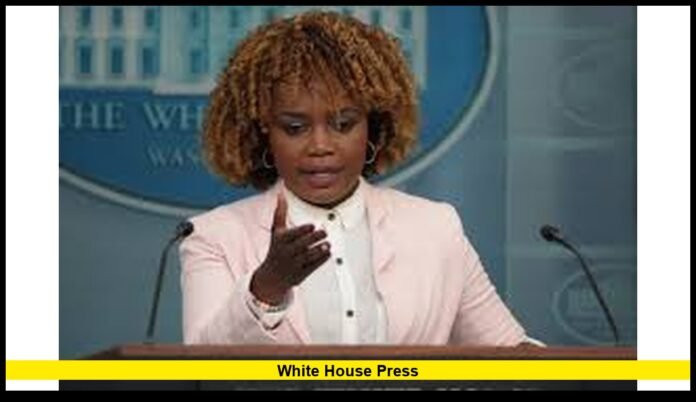

As of December 2025, the White House Press Secretary continues to play one of the most visible and influential roles in the U.S. government. Karine Jean-Pierre, who has held this position since May 2022, remains the primary spokesperson for the Biden administration and a key figure in shaping communication between the White House, the media, and the American public.
Jean-Pierre’s steady approach, professionalism, and historic appointment have made her one of the most recognizable public officials in the country. Her tenure reflects not only the growing complexity of political communication in the digital age but also the importance of transparency and consistency in government messaging.
Karine Jean-Pierre: A Historic Appointment and a Powerful Voice
When Karine Jean-Pierre took the podium for her first official briefing, she made history. She became the first Black woman and first openly LGBTQ+ individual to serve as White House Press Secretary. Her appointment marked a defining moment for diversity and inclusion in American politics.
Jean-Pierre’s background shaped her path to this role. She was born in Martinique, raised in Queens, New York, and educated at Columbia University, where she earned a Master of Public Affairs. Her career spans both government and media, giving her a balanced understanding of how to communicate policy and navigate public perception.
Before joining the Biden administration, Jean-Pierre served as Chief of Staff to then-Senator Kamala Harris during the 2020 campaign and held senior positions on President Obama’s re-election campaign. Her experience as a political strategist and television analyst equipped her with the composure and confidence required for the daily pressures of the White House briefing room.
The Duties of the White House Press Secretary
The White House Press Secretary serves as the administration’s official voice, responsible for communicating policy decisions, responding to breaking news, and managing the relationship between the executive branch and the press.
Jean-Pierre’s day typically begins early, with staff meetings and policy updates. She collaborates with senior advisors, policy directors, and the President’s communications team to prepare for the day’s events and briefings.
Key Responsibilities Include:
- Leading on-camera press briefings in the James S. Brady Press Room.
- Preparing official statements and written responses for the media.
- Coordinating with federal departments to align messaging on national and international issues.
- Advising the President and senior staff on how public messages will be perceived.
- Managing crisis communication during emergencies or policy debates.
Her work requires precision and diplomacy — every word must represent the administration accurately while addressing the press’s demand for clarity.
Inside the Daily Briefing Room
Each weekday, journalists from across the country gather in the West Wing to question the Press Secretary. The room’s atmosphere can shift rapidly — calm one moment and tense the next.
Jean-Pierre stands at the center of this high-pressure environment, fielding questions about domestic policy, global events, and the administration’s political agenda. She delivers her answers with a measured tone, often providing detailed explanations while emphasizing the administration’s official position.
Her ability to maintain control of the room and stay composed under tough questioning has earned her respect across political lines, even among those who disagree with the administration’s policies.
Jean-Pierre’s briefings usually last between 45 minutes and an hour. Each session requires preparation across dozens of policy areas, from inflation data to national security developments.
Balancing Transparency and Discipline
The role of Press Secretary is a careful balancing act between openness and confidentiality. While journalists seek as much information as possible, the Press Secretary must also protect sensitive discussions and national security details.
Jean-Pierre’s approach reflects this balance. She often provides detailed policy context but avoids speculation or premature announcements. Her style emphasizes accuracy over speed, a practice that has helped restore a sense of professionalism to the briefing room after years of unpredictable communication under previous administrations.
Her consistent demeanor and respect for journalists have contributed to a more structured press environment — one that values facts and clear messaging over confrontation.
2025: A Demanding Year for White House Communications
Throughout 2025, the White House Press Office has managed a complex and fast-moving political landscape.
Jean-Pierre has led communications on major topics such as:
- Economic policy, including efforts to sustain growth while reducing inflation.
- Healthcare access, with updates on prescription drug cost reforms and public health initiatives.
- Climate action, highlighting new infrastructure investments and renewable energy programs.
- Foreign relations, including U.S. partnerships in Europe and the Indo-Pacific.
- Democracy and election security, as the administration prepares for the 2026 midterms.
Her ability to translate complex policy into clear, accessible language allows the public to stay informed without being overwhelmed by technical jargon.
A Modern Approach to Media and Messaging
The communication environment of 2025 is more fragmented than ever. Traditional news outlets still play a key role, but social media platforms and independent digital publishers now dominate public conversation.
Jean-Pierre has adapted to this environment by modernizing the White House’s approach to information sharing. While daily briefings remain the cornerstone of official communication, her team also leverages online channels to reach a wider audience.
The White House now integrates multimedia elements into its messaging, including live-streamed briefings, video summaries, and infographics distributed through official accounts. This strategy ensures transparency while countering misinformation in real time.
Jean-Pierre’s communication team — including Principal Deputy Press Secretary Olivia Dalton and Deputy Press Secretary Andrew Bates — works closely with digital strategists to align statements across platforms, maintaining message consistency across every outlet.
Communication Style and Public Perception
Karine Jean-Pierre’s speaking style reflects confidence, empathy, and a focus on clarity. She delivers even the most contentious updates calmly, emphasizing facts over political theater.
Observers often note her ability to stay composed during heated exchanges with reporters, responding with politeness rather than deflection. This professionalism has shaped her reputation as one of the most disciplined communicators in Washington.
Jean-Pierre frequently begins her briefings by highlighting national achievements or policy progress before addressing breaking news. This structure keeps briefings informative and organized, allowing reporters to understand broader context before diving into specific questions.
Public opinion polls show that Jean-Pierre maintains high favorability among Democratic voters and moderate approval among independents who value transparency in government communications.
The Broader Role of the Press Secretary in Modern Politics
The White House Press Secretary is more than a spokesperson — the position has evolved into a strategic leadership role that influences both policy presentation and public perception.
As the administration’s communications lead, Jean-Pierre helps craft the narratives that shape how Americans understand government decisions. Every response she gives can influence headlines, public sentiment, and even diplomatic relationships.
Her position requires both political skill and emotional intelligence. She not only represents the administration’s policies but also embodies its tone — calm, professional, and forward-looking.
This dual responsibility has made the role one of the most challenging in modern politics, blending communication, leadership, and crisis management into a single demanding position.
Historical Context: How the Role Has Changed
The job of Press Secretary has evolved dramatically since it was first institutionalized nearly a century ago.
In the early 20th century, press secretaries worked primarily behind the scenes, releasing statements and coordinating print interviews. By the mid-1900s, the introduction of television transformed the position into a visible public role.
| Press Secretary | Administration | Years Served | Significance |
|---|---|---|---|
| James Hagerty | Eisenhower | 1953–1961 | Pioneered televised press conferences |
| Dee Dee Myers | Clinton | 1993–1994 | First woman in the role |
| Jen Psaki | Biden | 2021–2022 | Revived consistent daily briefings |
| Karine Jean-Pierre | Biden | 2022–Present | First Black and LGBTQ+ press secretary |
Jean-Pierre continues this legacy by maintaining structured briefings and emphasizing respect between the press and the administration.
Challenges Facing the White House in 2025
This year has presented no shortage of challenges for the communications team. Global economic fluctuations, natural disasters, and ongoing political debates have required constant coordination among federal agencies.
Jean-Pierre’s role often involves rapid response to developing events — ensuring that the administration’s position is communicated clearly and accurately before misinformation spreads online.
Her press office also coordinates closely with the National Security Council and Department of State during moments of international tension, helping shape unified messaging across departments.
The workload can be relentless, but Jean-Pierre’s calm demeanor and discipline help keep the administration’s message consistent amid uncertainty.
Looking Ahead to 2026
As the administration moves toward the midterm election cycle, communication will play an even greater role in shaping public trust.
Jean-Pierre is expected to continue focusing on three main priorities in 2026:
- Transparency: Keeping daily briefings open to all major networks and reporters.
- Accessibility: Ensuring the administration’s updates reach Americans through both traditional and digital media.
- Accountability: Providing factual, timely information on policy implementation and challenges.
Her tenure has already influenced how future administrations may approach communication — blending professionalism with empathy and embracing technological tools to maintain direct dialogue with the public.
A Symbol of Progress and Professionalism
Karine Jean-Pierre’s impact extends beyond policy briefings. Her leadership has become a symbol of representation and modern governance.
Her presence behind the podium signifies both inclusivity and competence — two qualities increasingly vital in American leadership. In an era defined by rapid information cycles and political polarization, her commitment to accuracy and civility offers a refreshing model for public communication.
Her success reflects the broader evolution of the Press Secretary’s office into a position that not only informs but also inspires.