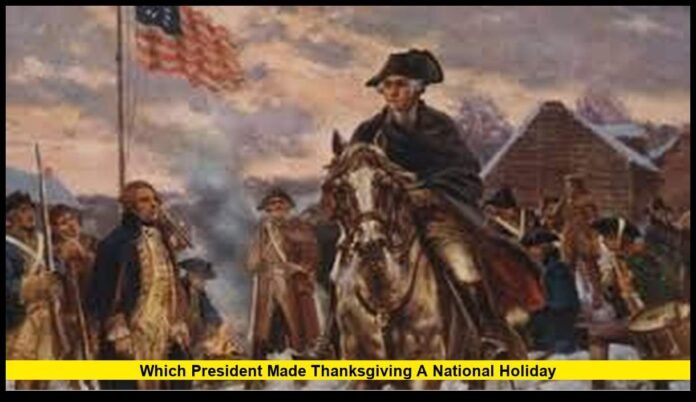

Which president made Thanksgiving a national holiday is a question many Americans revisit every November, and the answer remains one of the most important milestones in U.S. cultural history. The national holiday as we know it today began with President Abraham Lincoln, who formally established Thanksgiving as an annual observance in 1863. His decision came at a time of deep national division, yet it helped create a shared tradition that endures across generations.
In 2025, interest in the history behind the holiday continues to rise, especially as Americans seek clear, concise, and factual information rooted in verified historical evidence. This in-depth article explores exactly how Thanksgiving became a national holiday, why Lincoln played a pivotal role, and how the holiday evolved after his proclamation.
How Lincoln Created the National Holiday in 1863
The turning point in Thanksgiving’s history came on October 3, 1863, when President Abraham Lincoln issued a presidential proclamation that established a national day of thanks. He chose the last Thursday in November as the annual date. His intention was to give the nation a moment of collective gratitude during the Civil War—a time defined by hardship and disunity.
Lincoln’s proclamation emphasized reflection, unity, and recognition of the country’s blessings. The statement stood out for its hopeful tone at a time when the country was fractured. This proclamation is the official action historians recognize as the creation of the national Thanksgiving holiday.
Lincoln’s decision did not emerge from a vacuum. It was shaped by decades of public support, most notably from writer Sarah Josepha Hale, who spent years advocating for a national day of thanks. Her letters to the White House encouraged Lincoln to take action, and by 1863, he agreed that the United States needed a unified celebration.
Thanksgiving Celebrations Before Lincoln’s Presidency
Before Lincoln acted, Thanksgiving existed only through localized observances. These celebrations were not tied to a national calendar and varied widely from state to state.
Key details about early Thanksgiving observances:
- New England colonies traditionally held autumn harvest celebrations.
- Different states selected their own dates and rituals.
- Not all regions participated, especially states outside the Northeast.
- Some governors declared days of thanks during special events such as end-of-war victories or successful harvests.
These early observances helped shape the modern holiday but lacked consistency and nationwide participation. Lincoln’s proclamation solved that issue by creating a single date recognized throughout the country.
Why Lincoln Chose the Last Thursday in November
Lincoln selected the last Thursday of November for several practical and symbolic reasons. The date aligned with the New England tradition, where many early Thanksgiving celebrations took place. This timing matched the end of the harvest season and allowed Americans to gather before winter intensified.
The last Thursday also provided:
- Enough time between autumn harvests and winter preparation
- Reasonable travel conditions in many states
- A natural sense of rhythm in the national calendar
By choosing a late November date, Lincoln reinforced a cultural pattern that had already developed in many communities.
Congressional Recognition and the Holiday’s Federal Status
While Lincoln officially established Thanksgiving as a national observance, further action was needed to cement its lasting place on the federal calendar. After the Civil War, Congress passed legislation in 1870 recognizing Thanksgiving as an official federal holiday. This milestone ensured that Americans across all states and territories would observe the holiday at the same time each year.
From that point forward, presidents continued to issue annual Thanksgiving proclamations, reaffirming the holiday’s status and symbolism. This continuity helped embed Thanksgiving firmly into American culture.
Franklin D. Roosevelt’s Major Calendar Change
Although Lincoln created the national holiday, President Franklin D. Roosevelt had a significant influence on the modern date of Thanksgiving. In 1939, he shifted the holiday one week earlier to lengthen the holiday shopping season during the Great Depression. This change moved Thanksgiving from the last Thursday of November to the second-to-last Thursday.
The reaction across the nation was immediate and divided:
- Several states adopted Roosevelt’s new date.
- Others refused, sticking to the original timing.
- A few states celebrated on both dates, creating confusion nationwide.
This unusual split prompted lawmakers to intervene. In 1941, Congress passed legislation that officially designated the fourth Thursday of November as the permanent national date for Thanksgiving. Roosevelt signed the bill into law, resolving the dispute and setting the holiday’s date as we know it today.
Comparing Contributions: Lincoln vs. Roosevelt
Below is a simple table showing how each president shaped the holiday:
| President | Contribution | Impact |
|---|---|---|
| Abraham Lincoln | Created the national Thanksgiving holiday in 1863 | Unified observance across states during the Civil War |
| Franklin D. Roosevelt | Adjusted the holiday’s date in 1939; finalized by Congress in 1941 | Set the modern date as the fourth Thursday in November |
Lincoln made Thanksgiving national; Roosevelt influenced its timing. Both shaped the holiday Americans celebrate today.
How the National Holiday Reflects American Culture
Thanksgiving has evolved far beyond its origins. Today, the holiday represents the values Lincoln emphasized more than 160 years ago—gratitude, unity, and national identity. It also showcases traditions that developed over time, from gatherings to parades to televised events.
The Spirit of Gratitude
Families use the day to reflect on blessings, reconnect with loved ones, and enjoy traditions that span generations.
Community and Togetherness
While Lincoln hoped for unity during wartime, the modern holiday continues that theme as people come together regardless of political, cultural, or personal differences.
American Traditions
Thanksgiving has become one of the most widely celebrated U.S. holidays. Key traditions include:
- Family dinners
- Volunteer and charity events
- Local and national parades
- Football games
- Travel, both short and long distance
These traditions blend historical meaning with modern culture.
Why Americans Still Ask This Question Today
Every year, searches for “which president made Thanksgiving a national holiday” rise sharply. The reason is simple: many people want to distinguish the first Thanksgiving event in 1621 from the official creation of the national holiday.
Additional reasons the question remains popular:
- Schools review the holiday in lessons each November.
- Families revisit Thanksgiving history when discussing traditions.
- Many Americans want accurate historical details before sharing information.
- The holiday sits at the intersection of history, politics, and culture.
Understanding which president formalized the holiday helps people appreciate the context and meaning behind the celebration.
Thanksgiving’s Place in Modern America
Today, Thanksgiving is recognized as one of the most cherished holidays in the United States. It carries a unique blend of historical reflection and cultural celebration. While the origins trace back centuries, the modern holiday is grounded in Lincoln’s vision of unity and gratitude.
As the United States continues to grow and change, Thanksgiving remains a day set aside for pausing, celebrating progress, honoring shared values, and spending meaningful time with loved ones. The stability of the holiday’s date and traditions is part of what makes it feel both timeless and familiar.
Conclusion
The answer to which president made Thanksgiving a national holiday is unmistakable: Abraham Lincoln formally established the national holiday in 1863, creating a tradition that continues to unite Americans more than a century later. His proclamation remains one of the most influential cultural decisions in U.S. presidential history.
Share your thoughts below on how your family celebrates Thanksgiving and what part of its history inspires you most.