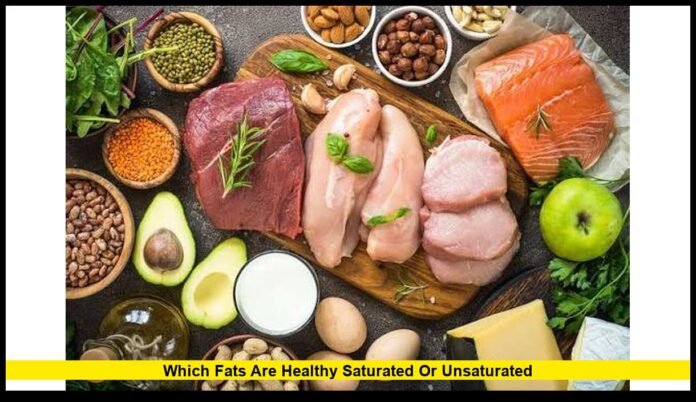

Understanding which fats are healthy saturated or unsaturated can help Americans make better food choices, maintain healthy cholesterol levels, and support long-term heart health. Dietary fat is an essential part of human nutrition, but the type of fat people consume matters. Some fats provide important nutrients and support normal body functions, while excessive consumption of others may increase the risk of cardiovascular problems.
Saturated and unsaturated fats are two major categories of dietary fat found in everyday foods. Saturated fats commonly occur in butter, cheese, fatty meats, coconut oil, and other products. Unsaturated fats are abundant in olive oil, avocados, nuts, seeds, and fatty fish. Although both provide energy, they have different chemical structures and can affect blood cholesterol differently.
Nutrition experts generally recommend choosing more unsaturated fats and limiting saturated fats. This does not mean eliminating every food containing saturated fat. Instead, people should focus on replacing less favorable fat sources with nutritious alternatives that support a balanced eating pattern.
Understanding these differences can make grocery shopping, meal preparation, and everyday eating decisions easier. It can also help people recognize misleading food labels and distinguish between foods that provide beneficial fats and products that contain excessive amounts of saturated fat.
Understanding Dietary Fat and Why the Body Needs It
Fat is one of the three main macronutrients the body needs, alongside carbohydrates and protein. It provides concentrated energy, supports cell structure, helps regulate certain biological processes, and assists with the absorption of essential vitamins.
One gram of dietary fat provides approximately nine calories, compared with four calories per gram from carbohydrates and protein. This makes fat an energy-dense nutrient.
Despite concerns about weight gain and cholesterol, dietary fat is not something people should automatically avoid. The body requires appropriate amounts of fat to function normally.
Fat also helps the body absorb vitamins A, D, E, and K. These nutrients support important functions, including vision, bone health, immune activity, and normal blood clotting.
Dietary fats also contribute to the structure of cell membranes. Certain fatty acids help the body produce signaling molecules involved in normal physiological processes.
The main nutritional concern is not simply how much fat someone eats. The type of fat, the foods providing it, and what those foods replace all influence overall dietary quality.
For example, replacing butter with olive oil can improve the fatty acid composition of a meal. Replacing a nutritious source of fat with sugary processed food may not provide the same benefits.
Which Fats Are Healthy Saturated or Unsaturated?
When comparing saturated and unsaturated fats, unsaturated fats generally receive stronger recommendations for cardiovascular health.
They can help improve blood cholesterol levels when they replace saturated fats in the diet. This is particularly important because elevated LDL cholesterol contributes to the development of atherosclerosis, a condition involving plaque buildup inside arteries.
Saturated fats can raise LDL cholesterol in many people. Consuming excessive amounts over time may therefore increase cardiovascular risk.
Unsaturated fats, particularly polyunsaturated fats, can help lower LDL cholesterol when they replace saturated fats.
However, the distinction is more complicated than simply labeling one type of fat good and the other bad.
Both saturated and unsaturated fats provide energy. Some foods contain a mixture of different fatty acids, and their overall nutritional value depends on additional nutrients, processing, portion sizes, and the broader dietary pattern.
For most Americans, a sensible approach involves:
- Choosing olive oil or canola oil instead of butter for many everyday cooking purposes.
- Eating nuts and seeds instead of frequently choosing high-saturated-fat snacks.
- Including fish as part of a balanced weekly eating pattern.
- Limiting frequent consumption of fatty and processed meats.
- Choosing appropriate portions of dairy products.
- Reading Nutrition Facts labels to compare saturated fat content.
These changes can improve dietary quality without requiring people to eliminate entire food groups.
What Are Saturated Fats?
Saturated fats are dietary fats whose fatty acid chains contain no carbon-carbon double bonds. Their chemical structure allows them to remain relatively solid at room temperature.
They occur naturally in many animal-based foods and several tropical plant oils.
Common sources include butter, cheese, whole milk, cream, beef, pork, lamb, coconut oil, palm oil, and certain processed foods.
Saturated fats serve as an energy source, and foods containing them can also supply important nutrients. For example, dairy products provide calcium and protein, while meat can provide iron, zinc, and vitamin B12.
However, the presence of these nutrients does not remove the cardiovascular concerns associated with excessive saturated fat consumption.
How Saturated Fats Affect the Body
One of the main concerns involves LDL cholesterol.
LDL particles transport cholesterol through the bloodstream. When LDL cholesterol remains elevated, cholesterol can accumulate in artery walls and contribute to plaque formation.
Over time, this process can narrow arteries and interfere with normal blood circulation.
The risk becomes more significant when elevated LDL cholesterol occurs alongside other cardiovascular risk factors, such as high blood pressure, diabetes, smoking, and physical inactivity.
Saturated fats can also affect cholesterol differently depending on the individual and the foods consumed.
For example, replacing saturated fat with polyunsaturated fat generally produces a more favorable cholesterol response than replacing it with refined carbohydrates.
This explains why nutrition recommendations focus on the replacement food rather than simply reducing total fat intake.
Common Foods High in Saturated Fat
Several everyday foods can contribute significant amounts of saturated fat.
Butter: Butter is commonly used in baking, cooking, and spreading. It contains a substantial proportion of saturated fat.
Cheese: Many varieties of cheese contain saturated fat. The amount varies depending on the type, serving size, and fat content.
Fatty red meat: Certain cuts of beef, pork, and lamb contain considerable saturated fat, particularly when visible fat remains.
Cream and full-fat dairy: Heavy cream, some ice creams, and full-fat dairy products can contribute to daily saturated fat intake.
Coconut oil: Although it comes from a plant, coconut oil contains a high proportion of saturated fat.
Palm oil: This widely used cooking and food-manufacturing ingredient also contains substantial saturated fat.
People do not necessarily need to eliminate these foods. However, regularly consuming large portions can make it difficult to stay within recommended saturated fat limits.
What Are Unsaturated Fats?
Unsaturated fats contain one or more double bonds in their fatty acid structures. They are commonly found in plant-based foods, vegetable oils, nuts, seeds, and certain fish.
They are generally liquid at room temperature, although some unsaturated fats can become solid or semisolid under colder conditions.
Unsaturated fats are important because they provide essential fatty acids and can improve cholesterol levels when they replace saturated fats.
There are two major types: monounsaturated fats and polyunsaturated fats.
Monounsaturated Fats and Their Benefits
Monounsaturated fats contain one double bond in their chemical structure.
They occur in several foods that are commonly included in heart-conscious eating patterns.
Good sources include:
- Extra-virgin olive oil
- Avocados
- Almonds
- Peanuts
- Hazelnuts
- Peanut butter
- Canola oil
Monounsaturated fats can help improve blood cholesterol levels when used instead of saturated fats.
Olive oil is particularly popular because it contains monounsaturated fat and naturally occurring antioxidant compounds. Extra-virgin olive oil also contains plant compounds called polyphenols.
Avocados offer another nutritious source. They provide monounsaturated fat alongside fiber, potassium, and other nutrients.
Nuts also contribute protein, fiber, minerals, and unsaturated fats, making them useful additions to balanced meals and snacks.
Polyunsaturated Fats and Essential Fatty Acids
Polyunsaturated fats contain two or more double bonds. They include omega-3 and omega-6 fatty acids.
Both categories contain fatty acids that support normal body functions.
Omega-3 fatty acids are found in fatty fish, flaxseeds, chia seeds, walnuts, and certain seafood products.
Omega-6 fatty acids occur in sunflower seeds, soybean oil, corn oil, and other vegetable oils.
The body cannot produce certain essential omega-3 and omega-6 fatty acids in sufficient quantities. People must obtain them through their diets.
Omega-3 fatty acids are particularly important for normal cell function and other physiological processes. Certain types, including EPA and DHA, are found in seafood.
Polyunsaturated fats can also help reduce LDL cholesterol when they replace saturated fats.
A varied diet that includes seafood, nuts, seeds, and suitable vegetable oils can provide a combination of these essential nutrients.
Saturated vs. Unsaturated Fats: Main Differences
Understanding the differences between saturated and unsaturated fats can help consumers make better nutritional decisions.
| Feature | Saturated Fats | Unsaturated Fats |
|---|---|---|
| Chemical structure | No carbon-carbon double bonds | One or more double bonds |
| Common appearance | Often solid at room temperature | Often liquid at room temperature |
| Major food sources | Butter, fatty meat, cheese, coconut oil | Olive oil, nuts, seeds, fish, avocados |
| Effect on LDL cholesterol | Can raise LDL cholesterol | Can lower LDL when replacing saturated fat |
| Heart-health guidance | Limit consumption | Prioritize appropriate sources |
| Main categories | Different saturated fatty acids | Monounsaturated and polyunsaturated |
The table shows why dietary recommendations generally favor unsaturated fats.
However, the nutritional quality of an entire food matters. A food cannot be judged entirely by its fat category.
How Different Fats Affect Heart Health
Heart disease remains an important public health concern in the United States. Diet plays a role in cardiovascular health, alongside exercise, genetics, smoking, blood pressure, diabetes, and other lifestyle factors.
One important dietary consideration is LDL cholesterol.
When LDL cholesterol remains elevated, it can contribute to plaque accumulation in arteries. This may eventually restrict blood flow or contribute to a cardiovascular event.
Saturated fat can increase LDL cholesterol, making excessive consumption an important concern.
Replacing saturated fats with unsaturated fats offers a practical way to improve the cholesterol profile.
For example, people can replace butter with olive oil, choose walnuts instead of certain processed snacks, or serve fish instead of fatty processed meat.
These substitutions can improve the overall nutritional composition of meals.
Understanding LDL and HDL Cholesterol
Cholesterol travels through the bloodstream in particles called lipoproteins.
Two commonly measured types are LDL and HDL.
LDL stands for low-density lipoprotein. It is commonly called bad cholesterol because elevated levels can contribute to plaque buildup in arteries.
HDL stands for high-density lipoprotein. It is often called good cholesterol because it participates in transporting cholesterol from tissues toward the liver.
Although HDL has an important role, cardiovascular health cannot be evaluated through HDL alone. LDL cholesterol and other risk indicators remain important when assessing an individual’s heart health.
People with high cholesterol should discuss their results with a healthcare professional rather than relying exclusively on dietary changes.
How Much Saturated Fat Should Americans Consume?
The recommended amount of saturated fat depends on total calorie intake and individual health circumstances.
The American Heart Association recommends limiting saturated fat to less than 6% of daily calories for people following its more stringent heart-health guidance.
For an adult consuming approximately 2,000 calories per day, this equals fewer than 120 calories from saturated fat, or approximately 13 grams daily.
The general U.S. dietary recommendation is to keep saturated fat below 10% of total daily calories.
These recommendations provide useful reference points for people planning meals.
Someone with elevated LDL cholesterol, a history of cardiovascular disease, or other medical concerns may need a more individualized target.
A registered dietitian or healthcare professional can help determine an appropriate eating pattern based on medical history, laboratory results, and nutritional requirements.
How to Calculate Your Saturated Fat Intake
Nutrition Facts labels provide information about saturated fat in packaged foods.
For example, a product containing 5 grams of saturated fat per serving contributes a substantial portion of the approximately 13-gram daily amount associated with a 2,000-calorie diet under the American Heart Association’s stricter target.
The total can increase quickly when someone eats several foods containing saturated fat throughout the day.
A breakfast with butter and cheese, a lunch containing fatty meat, and a dinner with a cream-based sauce can contribute significant amounts.
Reading labels and considering serving sizes can make it easier to manage intake.
People should also remember that the percentage of Daily Value on a Nutrition Facts label uses a general reference amount rather than a personalized prescription.
Best Sources of Healthy Unsaturated Fats
Choosing appropriate food sources is an important part of improving dietary fat quality.
The following foods offer useful amounts of unsaturated fats alongside other nutrients.
1. Olive Oil
Olive oil is one of the most recognized sources of monounsaturated fat.
It can be used in salad dressings, vegetable dishes, marinades, and many cooking applications.
Extra-virgin olive oil also contains naturally occurring antioxidant compounds.
Replacing butter or other saturated-fat-rich cooking fats with olive oil can improve the overall fatty acid composition of meals.
2. Avocados
Avocados provide monounsaturated fats, fiber, potassium, and several vitamins.
They can be added to salads, sandwiches, grain bowls, and other meals.
Their creamy texture also makes them a useful alternative to some spreads and sauces.
Although nutritious, avocados are calorie-dense, so appropriate portions remain important.
3. Walnuts
Walnuts provide polyunsaturated fats, including plant-based omega-3 fatty acid ALA.
They also contain fiber, protein, and minerals.
A small serving can be added to oatmeal, yogurt, salads, or whole-grain dishes.
4. Almonds
Almonds contain monounsaturated fats, vitamin E, fiber, magnesium, and protein.
They make a convenient snack and can also be used in salads and other meals.
Unsalted almonds are a practical choice for people monitoring sodium intake.
5. Fatty Fish
Salmon, sardines, trout, and other oily fish provide omega-3 fatty acids.
These seafood choices can supply EPA and DHA, which are important components of normal bodily functions.
Including fish regularly can help people obtain these nutrients through food.
6. Chia and Flaxseeds
Chia seeds and flaxseeds contain plant-based omega-3 fatty acids.
They also provide dietary fiber and other nutrients.
People can add them to oatmeal, smoothies, yogurt, and baked foods.
Ground flaxseed is often easier to digest than whole flaxseed, making it a useful option for everyday meals.
7. Canola and Soybean Oils
Canola and soybean oils contain unsaturated fats and can be useful cooking ingredients.
They provide alternatives to butter, lard, and other fats that contain more saturated fat.
Canola oil is particularly useful for general cooking because of its relatively mild flavor.
Are All Plant-Based Fats Healthy?
One common misunderstanding is that every fat obtained from plants automatically supports heart health.
Although many plant-based fats are rich in unsaturated fatty acids, some contain considerable amounts of saturated fat.
Coconut oil and palm oil are important examples.
Coconut oil has a particularly high saturated fat content. Palm oil also contains substantial saturated fat, although its composition differs.
Both can increase LDL cholesterol compared with oils that are richer in unsaturated fats.
Therefore, the origin of a fat does not determine its nutritional value by itself.
Consumers should examine the fatty acid composition and the Nutrition Facts information rather than relying exclusively on labels such as natural, organic, or plant-based.
Olive, canola, soybean, and sunflower oils generally provide more unsaturated fat and can be useful alternatives.
This distinction is important because plant-based products can still contain ingredients that do not align with individual heart-health goals.
Is Butter Worse Than Olive Oil?
Butter and olive oil are commonly compared because both are used in everyday cooking.
However, their fatty acid compositions differ considerably.
Butter contains substantial saturated fat, while olive oil primarily provides monounsaturated fat.
Replacing butter with olive oil can help reduce saturated fat consumption and improve LDL cholesterol levels.
For example, someone preparing vegetables can use olive oil instead of adding a large amount of butter.
The same substitution may work for salad dressings, marinades, and several other recipes.
Butter can still fit into an overall balanced eating pattern when consumed in appropriate amounts. However, it is generally not the preferred everyday cooking fat for people trying to reduce saturated fat.
The choice also depends on the cooking method, taste, and personal preferences. A healthier eating pattern should remain practical and enjoyable.
Does Eating Healthy Fat Cause Weight Gain?
Dietary fat contains more calories per gram than carbohydrates and protein, so large portions can increase total calorie intake.
However, eating unsaturated fats does not automatically cause weight gain.
Body weight is influenced by total energy intake, energy expenditure, physical activity, sleep, genetics, and other factors.
Foods such as nuts, avocados, and olive oil can fit into a weight-management diet when portions are appropriate.
Some meals containing healthy fats may also provide fiber and protein, which can contribute to fullness and satisfaction.
The important consideration is balance.
For example, adding several tablespoons of oil to meals without adjusting other portions can increase calorie consumption. Using a moderate amount of olive oil instead of butter may improve fat quality without substantially changing the meal’s overall purpose.
People trying to manage their weight should focus on sustainable eating habits rather than eliminating entire nutrient categories.
How to Replace Saturated Fats Without Changing Your Entire Diet
Improving dietary fat intake does not require completely changing traditional meals or avoiding favorite foods.
Small substitutions can make a meaningful difference over time.
At breakfast: Choose oatmeal with walnuts or chia seeds instead of frequently relying on pastries made with butter. Whole-grain toast with avocado is another option.
At lunch: Prepare salads with olive-oil-based dressing. Add beans, nuts, seeds, or fish to provide additional nutrients.
At dinner: Use olive or canola oil for many cooking applications. Consider replacing some fatty meat dishes with salmon, lentils, beans, or leaner protein sources.
For snacks: Choose almonds, walnuts, or unsalted peanuts instead of frequently eating highly processed snacks containing substantial saturated fat.
When buying dairy: Compare different milk, yogurt, and cheese products. Lower-fat options may help reduce saturated fat intake while providing important nutrients.
These changes allow people to improve their dietary habits without following an unnecessarily restrictive plan.
Latest Dietary Guidance on Saturated and Unsaturated Fats
Current U.S. nutrition guidance continues to emphasize the importance of dietary fat quality rather than simply eliminating fat from meals.
The Dietary Guidelines for Americans, 2025–2030, provide the current federal framework for healthy eating in the United States as of November 2026.
The guidance emphasizes nutrient-dense foods and healthier dietary patterns, including appropriate sources of fats.
The American Heart Association also continues to recommend replacing saturated fats with unsaturated fats as part of a heart-conscious eating pattern.
These recommendations reflect an important nutritional principle: the replacement food matters.
For example, replacing butter with olive oil or fatty meat with fish can improve the nutritional quality of a meal. Replacing saturated fat with large amounts of refined carbohydrates or added sugars does not provide the same benefits.
Consumers should also recognize that no single food or cooking oil can prevent cardiovascular disease by itself.
Healthy eating works best when combined with regular physical activity, appropriate calorie intake, sufficient sleep, and attention to other cardiovascular risk factors.
For people with high cholesterol, existing heart disease, or diabetes, individualized dietary guidance may be particularly important.
How to Read Food Labels When Choosing Dietary Fats
Understanding food labels can help consumers identify products that contain more favorable types of fat.
In the United States, the Nutrition Facts label provides information about total fat, saturated fat, and trans fat.
These values help shoppers compare products and understand how individual foods contribute to daily intake.
When examining a packaged food, consider the following:
- Total fat: Shows the combined amount of fat in one serving.
- Saturated fat: Indicates how much saturated fat the product contains.
- Trans fat: Provides information about trans fat content.
- Serving size: Helps determine how much fat someone consumes when eating more than one serving.
- Daily Value: Shows how a serving contributes to the general recommended daily reference amount.
A product marketed as low-fat is not automatically the healthiest choice.
Some low-fat foods contain substantial added sugar or refined carbohydrates. Others may provide useful nutrients despite having a higher fat content.
Comparing the complete Nutrition Facts label and ingredient list can provide a more accurate picture.
Consumers should also pay attention to partially hydrogenated oils, which were historically a major source of industrial trans fats. Their use has been substantially restricted in the U.S. food supply.
Final Thoughts
Understanding which fats are healthy saturated or unsaturated can make everyday food decisions more straightforward.
Unsaturated fats generally provide greater cardiovascular benefits, especially when they replace saturated fats in meals. Olive oil, avocados, nuts, seeds, and fatty fish are useful sources that can contribute to a balanced eating pattern.
Saturated fats are not completely forbidden, but excessive consumption may raise LDL cholesterol and increase cardiovascular risk. Limiting foods such as butter, fatty processed meats, coconut oil, and other saturated-fat-rich products can help people maintain healthier dietary habits.
The most effective approach involves making practical substitutions rather than eliminating all dietary fat. Choosing appropriate cooking oils, eating a variety of nutrient-rich foods, monitoring portions, and maintaining an overall balanced diet can support long-term wellness.
Ultimately, healthy eating is about the quality of the entire diet, not just one ingredient. Consistent choices can help people improve their nutritional habits and support better cardiovascular health over time.
FAQs
Q1. Which fats are healthy saturated or unsaturated?
A: Unsaturated fats are generally healthier for heart health, especially when they replace saturated fats. Sources include olive oil, avocados, nuts, seeds, and fatty fish. Saturated fat should be limited rather than treated as the primary source of dietary fat.
Q2. Are saturated fats always bad for you?
A: No. Saturated fats occur naturally in many foods, and eating a food that contains saturated fat does not automatically make it unhealthy. However, excessive intake can raise LDL cholesterol. The overall dietary pattern and the foods used to replace saturated fat are important.
Q3. Is olive oil a saturated or unsaturated fat?
A: Olive oil is predominantly a source of monounsaturated fat, making it a useful option for people seeking to reduce saturated fat intake. It also contains smaller amounts of other fatty acids.
Q4. Is coconut oil healthier than butter?
A: Neither is generally preferred over unsaturated plant oils for lowering LDL cholesterol. Coconut oil and butter both contain substantial saturated fat. Olive oil and canola oil are usually better everyday alternatives for heart health.
Q5. Can unsaturated fats help lower cholesterol?
A: Yes. Replacing saturated fats with unsaturated fats can lower LDL cholesterol. Polyunsaturated fats have particularly strong evidence for this effect. The outcome depends on the replacement food and the overall diet.
What are your thoughts on choosing saturated versus unsaturated fats? Share your comments below and stay updated for more practical nutrition and healthy eating information.
To understand how dietary fats contribute to a balanced diet, explore our guide on the Healthy Eating Index, which explains how overall food choices and nutritional balance are evaluated.