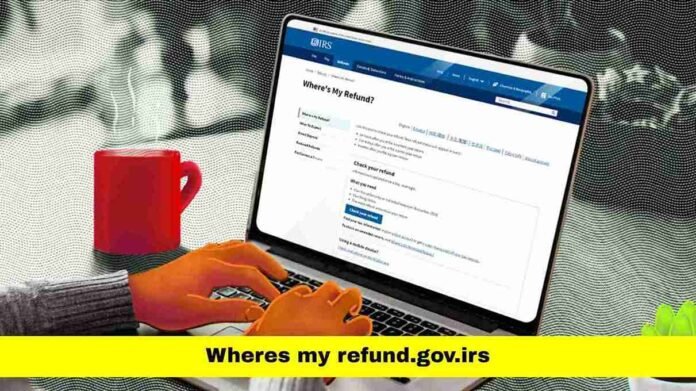

Every year, millions of Americans file their federal income tax returns with one question in mind: when will the refund arrive? For many households, a refund is more than just extra money. It helps cover bills, build savings, or handle unexpected expenses. In 2026, refund tracking has become an essential part of the tax filing experience, offering transparency and reassurance during the waiting period after submission.
Understanding how refund tracking works, what different status updates mean, and why some refunds take longer than others can reduce anxiety and prevent confusion. This detailed guide explains the entire refund-tracking journey from the moment a return is submitted to the day the payment reaches a bank account or mailbox.
Why Refund Tracking Matters to Taxpayers
Refund tracking is not simply a convenience feature. It gives taxpayers visibility into the progress of their return and confirmation that their information has been received. Without tracking tools, taxpayers would be left guessing whether their return was accepted, delayed, or flagged for review. The ability to monitor progress empowers filers and reduces the need for unnecessary follow-ups or calls.
For people depending on refund money for time-sensitive expenses, knowing the status can help with budgeting and financial planning. Even for those without urgent needs, transparency brings peace of mind during tax season.
How the Federal Refund Process Begins
The refund process officially starts once a tax return is accepted for processing. Acceptance means the return has passed initial system checks and entered the processing pipeline. This step is separate from approval, which happens later after the return is reviewed for accuracy and completeness.
Electronic filing has become the dominant method because it allows returns to move through the system more quickly. Paper filing is still accepted, but it involves manual handling, which adds time before the return even reaches the processing stage.
The Three Core Stages of Refund Processing
Refund tracking typically reflects three primary stages of progress. Each stage represents a different phase of review and preparation.
The first stage confirms that the return has been received and is undergoing review. During this period, the system verifies personal information, income details, and calculations. This stage may last a short time for simple returns or longer for more complex ones.
The second stage indicates approval. At this point, the refund amount is confirmed and scheduled for release. Once approved, the system may show a specific payment date.
The final stage confirms that the refund has been sent. Depending on the chosen delivery method, funds may arrive shortly after this status appears.
How Long Refunds Usually Take
Most taxpayers who file electronically and choose direct deposit receive refunds within about three weeks of acceptance. This timeline reflects standard processing for straightforward returns without issues. However, the actual delivery time can vary based on factors such as filing date, return complexity, and seasonal volume.
Paper returns take significantly longer. The delay occurs because these returns must be manually entered into the system before processing even begins. As a result, tracking updates for paper filings often appear weeks later than for electronic submissions.
Refund Timing and Filing Early
Filing early in the season often leads to faster processing. Early filers avoid peak traffic, which tends to occur closer to the filing deadline. Lower system volume allows returns to move through processing stages more efficiently.
Early filing also gives taxpayers more time to resolve any issues if the return requires additional review. Those who wait until the last minute may experience longer delays simply due to the sheer number of returns being processed at the same time.
Refunds and Direct Deposit Advantages
Direct deposit remains the fastest and most secure way to receive a refund. Once a refund is approved and released, electronic payments typically reach bank accounts within a few business days. This method reduces the risk of lost or delayed checks and eliminates mailing time.
Taxpayers who choose mailed checks should expect longer wait times. Mailing schedules, postal delays, and address accuracy all influence how quickly a paper check arrives.
Why Some Refunds Are Delayed
Not all refunds follow the standard timeline. Certain factors can extend processing time. Returns that include refundable credits often undergo additional verification steps. These safeguards help ensure accuracy and prevent improper payments.
Returns with mismatched income data, missing information, or mathematical errors may also take longer. In such cases, the system may pause processing while corrections are made or additional review is conducted.
Identity Verification and Security Reviews
Refund delays sometimes occur due to identity verification procedures. These checks protect taxpayers from fraud by confirming that the return was filed by the correct individual. While these reviews can add time, they play a critical role in safeguarding personal and financial information.
If verification is required, taxpayers are typically notified through official communication channels. Prompt response helps prevent extended delays.
Tracking Updates and Refresh Frequency
Refund tracking systems update status information once per day, usually overnight. Checking multiple times throughout the day will not produce new results. A daily check is sufficient to stay informed without unnecessary repetition.
Understanding this update cycle helps manage expectations and reduces frustration while waiting for progress updates.
Refund Tracking for Prior-Year Returns
Refund tracking tools are not limited to the current tax year. Taxpayers can also check the status of returns filed for recent prior years. This feature is especially helpful for individuals who filed late or submitted amended returns.
Access to prior-year tracking allows taxpayers to monitor unresolved refunds without additional paperwork or phone calls.
Common Errors That Prevent Status Updates
Incorrect information is one of the most common reasons a refund status cannot be found. Entering an incorrect filing status, mistyping a Social Security number, or using the wrong refund amount can prevent the system from locating the return.
Carefully matching entered information with the submitted return usually resolves these issues quickly.
What to Do When Status Does Not Appear
If a refund status does not appear within the expected timeframe, patience is often required. For electronic filings, allow at least 24 hours after acceptance. For paper filings, several weeks may pass before updates are available.
If the delay extends beyond normal processing windows, further action may be necessary. However, in most cases, the system will eventually reflect the correct status without intervention.
Why Contacting Support May Not Speed Things Up
Many taxpayers assume calling will produce faster answers, but refund tracking tools typically provide the most current information available. Support agents rely on the same internal data and may not have additional details unless the return has exceeded normal processing times.
Using online tools first saves time and reduces congestion during peak filing periods.
Refund Adjustments and Reduced Amounts
Sometimes the refund issued differs from the amount expected. This can happen if adjustments are made during processing due to calculation errors or eligibility changes. In these cases, the tracking system reflects the finalized amount rather than the original estimate.
Taxpayers are usually informed of adjustments through official notices explaining the reason for the change.
Amended Returns and Tracking Expectations
Amended returns follow a different processing timeline. These filings require manual review and therefore take longer to complete. Refund tracking updates for amended returns are less frequent and may take months rather than weeks.
Understanding this distinction helps set realistic expectations for those making corrections after filing.
Seasonal Processing Volume and Its Impact
As the filing deadline approaches, the number of submitted returns increases sharply. This surge can slow processing and delay updates. During peak periods, even electronic returns may take longer to move through stages.
Filing earlier in the season helps avoid these seasonal bottlenecks.
Planning Around Your Refund
Knowing when a refund is likely to arrive allows taxpayers to plan ahead. Whether using the funds for bills, savings, or other goals, tracking progress helps align expectations with reality.
Refunds should not be treated as guaranteed income until they are approved and sent. Monitoring status reduces financial uncertainty.
Protecting Personal Information While Tracking
Refund tracking requires sensitive personal data. Always ensure you are using official, secure platforms when entering information. Avoid sharing details through unsolicited messages or third-party sites claiming faster access.
Protecting personal data is just as important as tracking refund progress.
Technology Improvements and User Experience
Over time, refund tracking tools have become more user-friendly and accessible. Mobile access, simplified status messages, and clearer timelines have improved the overall experience for taxpayers.
These enhancements reflect ongoing efforts to modernize tax administration and improve transparency.
What Refund Tracking Cannot Tell You
While refund tracking provides valuable updates, it does not explain every detail of processing. It will not display internal review notes or exact reasons for delays unless action is required.
Understanding these limitations prevents unrealistic expectations and unnecessary concern.
Preparing for Future Filing Seasons
Becoming familiar with refund tracking this year makes future filings easier. Keeping records, filing early, and choosing direct deposit contribute to smoother experiences year after year.
Knowledge gained now pays off in reduced stress during future tax seasons.
Final Thoughts on Monitoring Refund Progress
Tracking a federal tax refund is now a standard part of filing, offering clarity during a process that once felt uncertain. By understanding how the system works, what different stages mean, and why delays occur, taxpayers can approach the waiting period with confidence rather than frustration.
Are you currently waiting for your refund or have you already received it? Share your experience and stay connected for more timely tax updates as the season continues.