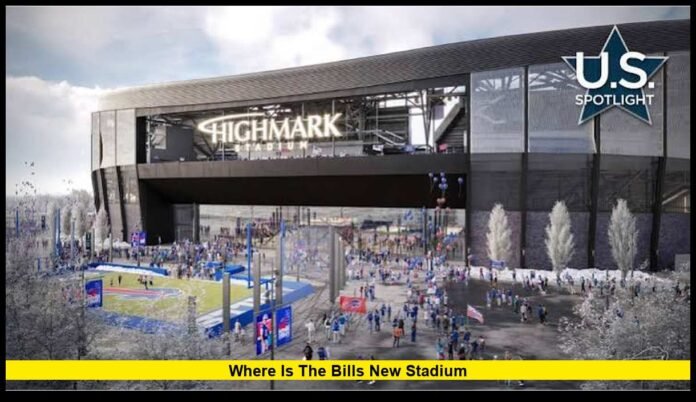

The new home of the Buffalo Bills is located in Orchard Park, New York, a suburban community south of downtown Buffalo. The new stadium sits near the site of the team’s former home and is part of the same general stadium campus, keeping the franchise in the Buffalo metropolitan area while introducing a modern facility designed for football, entertainment, and major events.
The question where is the bills new stadium has become increasingly popular among football fans, travelers, ticket holders, and people following the construction of the NFL’s newest major stadium project. The venue is located in Erie County, within the greater Buffalo region, and serves as the new home field for the Buffalo Bills.
The stadium represents a major investment in Western New York. Its construction brought a new football venue to the region, replacing the aging facility that had served the Bills for decades. The project includes updated seating, modern fan amenities, improved stadium infrastructure, a redesigned exterior, and features intended to make the venue more comfortable for spectators during Buffalo’s challenging weather conditions.
For fans planning to attend games, understanding the stadium’s location is important because it is not situated in downtown Buffalo. Instead, the venue is in Orchard Park, where the Bills have maintained their home stadium presence for generations.
Where the Stadium Is Located
The new Highmark Stadium is located in Orchard Park, New York, approximately 10 miles south of downtown Buffalo. Orchard Park is a town in Erie County and is part of the Buffalo metropolitan area. The stadium’s location places it within the community that has been closely connected to the Bills for decades.
The venue is built across Abbott Road from the previous stadium. The two buildings occupied neighboring locations, making the transition to the new stadium relatively straightforward for the team, longtime season-ticket holders, and fans familiar with the area.
Although many people refer to it as the Buffalo Bills’ stadium in Buffalo, the venue is technically located in Orchard Park rather than within the city of Buffalo itself. That distinction matters for visitors using navigation systems, booking hotels, arranging transportation, or searching for directions.
Orchard Park is a well-known football destination during the NFL season. On game days, the area attracts thousands of fans traveling from across Western New York, other parts of the United States, and Canada. The community has become closely associated with the Bills’ home games, tailgating traditions, and the energetic atmosphere created by Bills Mafia.
The Stadium’s Exact Area and Surroundings
The new Highmark Stadium occupies a large site in Orchard Park, surrounded by roads, parking areas, neighboring properties, and the broader stadium campus. The facility is positioned near the intersection of major local routes that serve the stadium district, allowing fans to reach the venue through established transportation corridors.
The stadium’s location was selected to maintain the Bills’ presence in their traditional Western New York home rather than relocate the franchise to another city or metropolitan area. The project was designed as a replacement facility next to the existing stadium, helping preserve the established fan base and regional identity.
The new stadium sits on a property covering approximately 242 acres. The building itself is a major structure measuring approximately 1.6 million square feet, providing space for the seating bowl, concourses, team facilities, hospitality areas, concessions, technology systems, and other stadium operations.
The surrounding property is important because NFL game days involve more than the stadium building itself. Parking, pedestrian movement, tailgating, security, traffic control, public transportation, and event operations all depend on the wider campus.
Why Orchard Park Was Chosen for the New Stadium
The Buffalo Bills have played their home games in the Orchard Park area for more than five decades. The community has developed a strong connection to the franchise, making it an important part of the team’s identity and history.
Building the new stadium in the same general location allowed the organization to continue serving its existing fan base. Supporters who have traveled to Bills games for generations did not need to adjust to a new metropolitan area or an entirely different stadium district.
Orchard Park also provides the space needed for a large NFL stadium project. Constructing a modern facility requires room for seating, stadium operations, parking, security zones, event infrastructure, pedestrian areas, and other facilities that cannot easily be accommodated in a compact downtown setting.
The location also makes the new stadium recognizable to longtime fans. Rather than creating a completely new football destination, the Bills built a new facility in the area already associated with their home games.
The project therefore represents a major modernization of the team’s stadium infrastructure while preserving its geographic connection to Western New York.
The New Stadium Replaces the Previous Highmark Stadium
The new Highmark Stadium replaces the stadium that originally opened in 1973 as Rich Stadium. Over the years, the old venue became one of the most recognizable NFL stadiums because of its history, the Bills’ passionate supporters, and the difficult weather conditions that often accompanied late-season games.
The previous stadium hosted countless memorable moments, including playoff games, divisional battles, regular-season contests, and events that became part of the franchise’s history. It also developed a reputation for its intense crowd atmosphere, especially during winter games.
However, the building eventually required major modernization. The stadium had aging infrastructure, outdated seating arrangements, limited modern amenities, and facilities that no longer matched the expectations of contemporary NFL venues.
The new stadium was developed to provide a more modern experience while preserving the outdoor football environment that Bills fans value. Rather than completely abandoning the traditional atmosphere, the design incorporates newer technology, improved seating, upgraded facilities, and weather-related features intended to make game days more comfortable.
The old stadium and the new stadium were positioned across Abbott Road from one another, creating a visible connection between the franchise’s past and its future.
A New Era for the Buffalo Bills
The opening of the new Highmark Stadium represents a major milestone for the Buffalo Bills. The venue officially opened with a ribbon-cutting ceremony on June 23, 2026, marking the completion of one of the largest construction projects in Western New York history.
The new stadium was built through a public-private partnership involving the Buffalo Bills, New York State, and Erie County. The project was designed to provide a modern home for the franchise while supporting the region’s long-term sports and entertainment infrastructure.
The stadium is expected to serve the Bills for decades. It was developed as a long-term replacement for the previous facility and includes infrastructure designed to accommodate NFL games, major events, concerts, and other activities.
The completion of the stadium also represents a significant investment in the Buffalo region. Construction created employment opportunities for thousands of workers and involved contractors, engineers, architects, suppliers, and other professionals.
The stadium’s opening introduced a new chapter in Bills history while preserving the team’s traditional home in Orchard Park.
How Big Is the New Highmark Stadium?
The new Highmark Stadium has a listed seating capacity of 60,108, making it a modern NFL venue with a seating bowl designed to bring fans closer to the field. The stadium’s capacity is smaller than the previous facility, which accommodated more than 70,000 spectators in many configurations.
The reduction in seating capacity reflects a design approach that prioritizes sightlines, comfort, premium seating, and the overall game-day experience. The new venue is designed with a steep seating bowl that helps spectators maintain a clear view of the action.
The stadium includes multiple seating levels, club areas, premium hospitality spaces, suites, and general admission seating. The design combines traditional football seating with modern amenities intended to serve different types of fans.
The building also features wide concourses and circulation areas intended to help visitors move through the venue more efficiently. Fans can access food, beverages, restrooms, merchandise areas, and other services without needing to navigate the narrow and outdated spaces that characterized parts of the previous stadium.
The stadium’s overall size is approximately 1.6 million square feet, reflecting the extensive infrastructure required for a major NFL venue. The project includes not only the seating bowl but also team facilities, operations areas, public spaces, premium areas, concession facilities, and modern technology infrastructure.
An Open-Air Stadium Built for Buffalo Weather
One of the most important design decisions for the new Highmark Stadium was maintaining an open-air football environment.
Buffalo is known for winter weather, lake-effect snow, strong winds, and cold temperatures during the NFL season. The Bills have built much of their identity around playing outdoors, particularly during late-season games when weather conditions can become part of the football experience.
The new stadium does not have a fully enclosed dome. Instead, it features a large canopy designed to cover a substantial portion of the seating areas. The canopy provides protection from some precipitation and helps reduce the direct impact of weather on spectators while preserving the open-air atmosphere.
The roof structure covers approximately 60% to 65% of the seating areas, depending on how coverage is measured. It is designed to protect many fans from rain and snow without completely enclosing the stadium.
The open-air design allows the stadium to retain the atmosphere associated with Bills football. Wind, cold temperatures, and winter conditions can still affect games, while the canopy provides additional protection for spectators.
The stadium’s design also takes wind conditions into consideration. The architectural approach aims to reduce the effects of wind in certain areas while preserving the outdoor environment.
Natural Grass Playing Surface
The new Highmark Stadium features a natural grass playing surface, a major difference from the artificial turf used at the previous stadium.
The playing field uses Kentucky bluegrass, which is widely used in professional football facilities. Natural grass provides a traditional playing surface and requires a carefully managed maintenance system to keep it in suitable condition throughout the football season.
The stadium includes systems designed to support the grass field during Buffalo’s changing weather conditions. These systems help maintain the playing surface, manage temperature, and support field conditions during cold weather.
The installation of natural grass was an important part of the stadium’s design. Field maintenance is especially challenging in Western New York because the region can experience freezing temperatures, snow, rain, and changing weather conditions during the NFL season.
The stadium’s field infrastructure includes heating and other systems designed to help maintain the grass. These features allow the venue to support professional football while addressing some of the environmental challenges associated with outdoor games in Buffalo.
The Stadium’s Canopy and Seating Design
The canopy is one of the most visible features of the new Highmark Stadium. It is designed to provide partial protection for fans while allowing the stadium to remain open to the outdoors.
Unlike a traditional enclosed roof, the canopy does not completely cover the stadium. This allows natural light and outdoor conditions to remain part of the experience.
The seating bowl is designed to be more compact than the previous stadium. By reducing the overall seating capacity, the design team was able to focus on creating a more intimate atmosphere and improved viewing angles.
The upper seating areas are positioned to provide fans with closer views of the field than they may have experienced in parts of the old stadium. The bowl design also helps create a strong visual connection between the spectators and the playing surface.
The stadium’s concourses are designed to provide circulation around the venue, with fan areas and services distributed throughout the building. This approach is intended to make movement easier during arrival, halftime, and departure periods.
Modern Concourse and Fan Amenities
The new Highmark Stadium features modern concourses designed to improve the overall experience for fans attending Bills games.
The venue includes 360-degree concourses, allowing visitors to move around the stadium while maintaining access to different sections of the building. These concourses are designed to provide improved circulation compared with older stadium facilities.
Fans can find food and beverage options, merchandise, restrooms, gathering areas, and other services throughout the venue. The stadium also includes modern food and beverage marketplaces designed to make purchasing items more convenient.
The building incorporates updated technology, including large video displays, stadium audio systems, and other features intended to enhance the game-day atmosphere.
The stadium’s design also includes artwork and visual elements connected to Buffalo and Western New York. Local artists contributed to the venue’s artistic environment, helping connect the new building with the region’s culture and identity.
These features are intended to create a stadium experience that goes beyond watching a football game. The venue is designed as a destination for fans, families, visitors, and people attending other major events.
Sensory-Inclusive Facilities
The new Highmark Stadium includes sensory-related facilities designed to provide additional support for guests who may need a quieter or more comfortable environment during events.
The venue includes seven sensory rooms, giving guests access to spaces designed for individuals who may experience sensory overload or need a break from the noise, crowds, and activity of a football game.
The stadium’s sensory facilities are part of a broader effort to make major sporting events more accessible and inclusive. NFL games can involve loud music, crowd noise, bright lights, large gatherings, and other sensory experiences that may be challenging for some visitors.
Sensory rooms provide a quieter setting where guests can take a break and reset before returning to the event. The stadium also incorporates accessibility-focused planning and guest support services.
These features reflect a growing trend among major sports venues to provide facilities for fans with different needs and to make stadium events more welcoming for a wider audience.
The Construction Project and Its Cost
The new Highmark Stadium was one of the largest construction projects in Western New York history. The project began with groundbreaking on June 5, 2023, and construction continued for approximately three years before the stadium was completed in 2026.
The total project cost was reported at just over $2.1 billion. The stadium’s development involved extensive planning, engineering, architectural design, construction management, and coordination among public and private organizations.
The project included a large workforce, with approximately 6,000 people involved over the construction period. Workers contributed millions of labor hours to building the stadium and completing the surrounding infrastructure.
Construction involved a wide range of specialists, including structural engineers, architects, electricians, concrete workers, steelworkers, mechanical contractors, technology specialists, landscapers, and other trades.
The stadium project also included the installation of major systems required for professional football operations. These systems include lighting, sound, video displays, security, communications, field infrastructure, mechanical systems, concession facilities, and other equipment.
The completion of the stadium in 2026 marked the end of a major construction phase and the beginning of its use as the Bills’ new home venue.
Public and Private Investment in the Stadium
The new Highmark Stadium was developed through a public-private partnership involving the Buffalo Bills, New York State, and Erie County. The project was structured to support the construction of a new stadium while keeping the NFL franchise in Western New York.
The stadium investment became one of the region’s most significant infrastructure projects. It involved public funding commitments, private investment, construction agreements, stadium-related arrangements, and long-term planning.
The project was designed to support the Bills’ continued presence in the region while replacing the aging stadium with a facility capable of hosting modern NFL games and other events.
The ownership structure also changed following the completion of construction. In August 2026, ownership of the new Highmark Stadium was officially transferred from Erie County to New York State, completing a major step in the stadium development process.
The transfer was part of the broader arrangements associated with the new stadium project and its long-term operation.
The New Stadium’s Opening and First Season
The new Highmark Stadium officially opened in June 2026, but the stadium’s football activities continued through the summer as the Bills prepared for the regular season.
The stadium hosted its first public events and team activities before the regular-season home opener. These events gave fans and visitors an opportunity to experience the new building and see the stadium’s features before the NFL season began.
The Bills’ first regular-season game at the new Highmark Stadium was scheduled for September 17, 2026, against the Detroit Lions. The game marked the beginning of regular-season football at the new venue and represented an important moment in the franchise’s transition to its new home.
The first season at the new stadium brought a new environment for players, coaches, supporters, and visitors. The venue’s design, seating arrangement, field surface, canopy, concourses, and technology all became part of the team’s new home-game experience.
The stadium is now the Bills’ primary home for NFL games and is expected to remain an important venue for the franchise for many years.
What Happened to the Old Highmark Stadium?
The former Highmark Stadium is located across Abbott Road from the new stadium. The old facility, which opened in 1973, served the Bills for more than 50 years and became a landmark for fans across Western New York.
After the new stadium was completed, the old stadium began the process of demolition. The work is being carried out in stages rather than through a single large implosion.
The demolition process involves dismantling sections of the old structure, removing materials, managing the site, and preparing the property for future work.
The old stadium remains an important part of the Bills’ history. It hosted decades of football games, playoff appearances, memorable moments, and traditions that helped define the team’s identity.
The demolition is a major transition for the stadium campus because it removes the building that served as the team’s home for more than half a century.
The new stadium stands across the road as the next chapter of the franchise’s history, while the former venue’s site is being cleared and prepared for its next phase.
Getting to Highmark Stadium
Fans attending a Buffalo Bills game should plan their travel to Orchard Park rather than downtown Buffalo. The stadium’s location outside the city center means that transportation planning is particularly important on game days.
Visitors may travel by car, rideshare, public transportation, organized buses, or other transportation options. The exact availability of services can vary depending on the event and game-day arrangements.
Parking is an important part of the stadium experience. Fans should review event-specific parking instructions before traveling because parking arrangements may require advance purchase or reservation of a parking pass.
Traffic around Orchard Park can become significantly heavier before and after Bills games. Fans should allow extra time for travel, security procedures, parking, and walking to the stadium entrances.
Those staying in Buffalo hotels should consider the distance between downtown and Orchard Park when planning their departure. A trip that is relatively short under normal traffic conditions may take considerably longer on a major game day.
Parking and Tailgating at the New Stadium
Tailgating has long been a major part of the Buffalo Bills’ game-day tradition. Bills Mafia is known for gathering in parking areas before games, celebrating with food, drinks, music, team colors, and football-related activities.
The new Highmark Stadium preserves the importance of the surrounding stadium campus for game-day activities. Fans should carefully review the parking rules and event instructions for the specific game they plan to attend.
Parking availability, lot access, opening times, and regulations can vary by event. Advance planning is especially important for visitors who want to tailgate before entering the stadium.
Fans should also check official stadium information for policies involving vehicles, food, beverages, grills, tailgating equipment, and other activities.
The stadium’s location in Orchard Park means that parking and traffic are central parts of the game-day experience. Visitors unfamiliar with the area should review their route and parking location before leaving home or their hotel.
The Stadium as a Western New York Destination
The new Highmark Stadium is more than a replacement for the old football venue. It is a major destination for the Buffalo region and a facility expected to support a variety of events throughout the year.
Although the Bills are the primary tenant, the stadium’s infrastructure and design allow it to accommodate other entertainment activities, including concerts and special events. Its large seating capacity, modern audio and video systems, event spaces, and upgraded facilities make it suitable for events beyond NFL football.
The stadium also serves as a recognizable landmark for the Orchard Park area. Its construction represents a major change to the local landscape and creates a new venue for fans, visitors, and residents.
The project has helped reinforce Western New York’s position as a major sports destination. The Bills’ passionate fan base has long attracted attention from across the NFL, and the new stadium provides a modern facility for that tradition to continue.
Why the New Stadium’s Location Matters to Bills Fans
Keeping the stadium in Orchard Park was significant because the Buffalo Bills are deeply connected to Western New York. The team has developed a strong regional following that extends beyond Buffalo into surrounding communities, other parts of New York State, and neighboring areas.
The new stadium allows the Bills to preserve that connection while modernizing their home venue. Fans who have attended games at the previous stadium for decades can continue traveling to the same general area for home games.
The location also means the Bills remain part of the Buffalo-area sports and entertainment landscape. The stadium is connected to the region’s identity and its reputation for passionate football supporters.
For longtime fans, the new venue offers a combination of familiarity and change. The stadium is in the same general location, but the building, seating, technology, amenities, and overall experience are substantially different.
The new Highmark Stadium represents the next generation of Bills football while continuing the traditions that have made the team an important part of Western New York.
What Visitors Should Know Before Attending a Bills Game
Fans planning to visit the new stadium should check the latest event information before traveling. Game-day procedures may include specific instructions about parking, stadium entry, security, prohibited items, transportation, and available services.
Visitors should arrive early enough to allow for traffic, parking, walking, and security screening. Those attending their first game at the new stadium may also want to review the seating map and stadium layout before arriving.
The venue has a capacity of 60,108, and major games can attract large crowds. Planning ahead can help visitors avoid unnecessary delays and make the experience more enjoyable.
Fans should also be prepared for outdoor weather conditions. The canopy provides coverage for many seating areas, but the stadium remains open-air. Temperature, wind, rain, and snow can still affect game-day conditions.
The Bills’ home stadium continues to be associated with Western New York weather, and visitors should dress appropriately for the forecast, especially during late-season games.
The Future of Highmark Stadium in Orchard Park
The new Highmark Stadium is designed to serve as the Buffalo Bills’ home for decades. Its location in Orchard Park preserves the franchise’s regional connection while providing the team with a modern facility that includes updated seating, natural grass, improved concourses, premium areas, technology, accessibility features, and weather-related design elements.
The project also represents a major investment in the future of professional football in Western New York. The stadium was developed to support the Bills’ long-term presence in the region and to provide a venue capable of hosting football and other major events.
For Bills fans, the new stadium marks the beginning of another chapter in the team’s history. The location remains familiar, but the stadium itself introduces a new setting for future games, celebrations, rivalries, and memorable moments.
The new venue continues the tradition of Bills football in Orchard Park while bringing modern stadium features to one of the NFL’s most passionate fan communities.
Final Takeaway
The new Buffalo Bills stadium is located in Orchard Park, New York, approximately 10 miles south of downtown Buffalo, directly across Abbott Road from the former Highmark Stadium. Officially opened in 2026, the new Highmark Stadium has a capacity of 60,108 and features an open-air design, natural grass field, partial canopy coverage, modern concourses, updated technology, and enhanced fan amenities.
The stadium preserves the Bills’ longstanding home in Western New York while providing a modern venue for NFL football, concerts, and other events. For fans searching for the team’s new home, Orchard Park remains the destination, with the new stadium marking a significant new chapter in Buffalo Bills history.