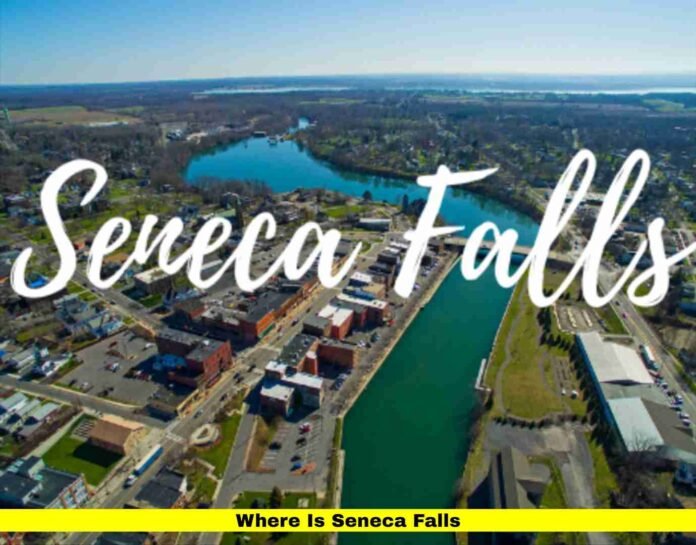

Where is Seneca Falls is a common question, especially as interest continues to grow around this historic American town. Seneca Falls is located in upstate New York, within the Finger Lakes region, a well-known area celebrated for its lakes, small towns, and deep historical roots. As of today, Seneca Falls remains a thriving town that combines geographic importance, cultural heritage, and accessibility for visitors across the United States.
This article explains exactly where Seneca Falls is, how it fits into New York State, why its location matters, and what surrounds it geographically—all with clear, current, and verified details.
Where Is Seneca Falls Located in the United States
Seneca Falls is situated in the northeastern United States, specifically in central New York State. It lies between major population centers while still maintaining the character of a small town.
Geographically, Seneca Falls sits:
- In upstate New York
- Within the Finger Lakes region
- In Seneca County
- Between Rochester and Syracuse
This placement gives Seneca Falls regional importance while keeping it accessible to travelers from across the state and neighboring areas.
Where Is Seneca Falls in New York State
Within New York, Seneca Falls is positioned in the western-central portion of the state. It is not part of New York City or its metropolitan area. Instead, it belongs to a region known for lakes, agriculture, tourism, and historic towns.
The town lies at the northern end of Cayuga Lake, one of the longest Finger Lakes. This location has shaped Seneca Falls’ economy, transportation routes, and historical development for generations.
County and Regional Placement
Seneca Falls is located in Seneca County, which is part of the Finger Lakes tourism and planning region. The county seat is nearby, making Seneca Falls a central hub for local services and community activity.
The town’s county placement connects it to surrounding communities through shared infrastructure, schools, courts, and transportation systems.
Geographic Coordinates and Elevation
Seneca Falls sits at an elevation of approximately 440 feet above sea level, giving it relatively flat terrain compared to mountainous regions of New York.
Its geographic coordinates place it squarely within the temperate climate zone of the northeastern U.S., resulting in four distinct seasons that shape daily life and tourism patterns.
Natural Features Around Seneca Falls
The physical geography of Seneca Falls plays a major role in defining where it is and why it developed there.
Key natural features include:
- Cayuga Lake immediately to the south
- The Seneca River, which flows through the town
- Part of the New York State Canal System
- Surrounding farmland and rolling terrain
These natural features made Seneca Falls an important transportation and trade location in earlier eras and continue to influence land use today.
Connection to the Finger Lakes Region
Seneca Falls is firmly rooted in the Finger Lakes region, an area known nationally for tourism, wine production, and outdoor recreation.
The town’s location places it close to:
- Vineyards and wineries
- State parks and trails
- Historic villages
- Freshwater lakes used for boating and fishing
This regional setting explains why many visitors encounter Seneca Falls while exploring central New York.
Distance From Major Cities
Understanding where Seneca Falls is often depends on how far it is from major cities.
Approximate driving distances include:
- About 50 miles east of Rochester
- About 45 miles west of Syracuse
- About 260 miles northwest of New York City
- About 300 miles northeast of Pittsburgh
These distances make Seneca Falls reachable by car from many parts of the Northeast and Midwest.
Transportation Access and Routes
Seneca Falls does not have a major airport within town limits, but it is accessible through regional transportation networks.
Nearby airports include those serving Rochester and Syracuse. Major highways and state routes connect the town to surrounding cities, allowing steady travel access without heavy congestion.
This balance of accessibility and quiet geography is one reason people often ask where Seneca Falls is when planning visits.
Climate and Seasonal Geography
The town experiences a humid continental climate, typical of upstate New York.
This means:
- Cold winters with snowfall
- Mild to warm summers
- Colorful fall seasons
- Moderate spring temperatures
The nearby lake influences local weather, often moderating temperature extremes and contributing to fog and snowfall patterns during colder months.
Historical Importance of Its Location
Seneca Falls developed where it did for strategic reasons. Its location along water routes made it ideal for mills, trade, and industry in earlier centuries.
The presence of flowing water, flat land, and transport connections allowed the town to grow as an industrial and cultural center during the 19th century.
These same geographic features still shape how the town functions today.
Urban and Rural Balance
Seneca Falls sits at the intersection of urban convenience and rural surroundings.
Within town limits, residents find:
- Downtown streets
- Schools and municipal buildings
- Shops and services
Outside the center, farmland and open landscapes appear quickly. This balance defines the town’s geographic character.
Why People Ask Where Is Seneca Falls
Interest in where Seneca Falls is often comes from:
- Travel planning
- Historical curiosity
- Cultural interest
- Educational research
The town’s location ties directly to its identity, history, and role in national narratives, making geography a key part of understanding it.
Relation to Nearby Lakes and Towns
Seneca Falls is part of a network of small towns connected by lakes and roads.
Nearby communities include:
- Waterloo
- Geneva
- Auburn
These towns share economic ties and regional planning, reinforcing Seneca Falls’ position within central New York.
Modern-Day Relevance of Its Location
Today, Seneca Falls’ location continues to matter. Its placement supports tourism, education, and community life while remaining outside major urban sprawl.
The town benefits from proximity to cities without losing local character, a geographic advantage that shapes development decisions.
Mapping Seneca Falls in Simple Terms
For those unfamiliar with New York geography, the easiest way to understand where Seneca Falls is involves three reference points:
- It is north of Cayuga Lake
- It is between Rochester and Syracuse
- It is within the Finger Lakes region
These reference points remain accurate and stable as of today.
Why Location Shapes Identity
The town’s geography influences everything from architecture to daily routines. Seasonal changes, lake effects, and transportation routes all stem from where Seneca Falls is physically situated.
This connection between place and identity explains why location-based questions remain so common.
Where Is Seneca Falls for Visitors Today
For travelers, Seneca Falls sits in a region designed for exploration. Scenic drives, historic districts, and natural landmarks surround the town.
Its central position allows visitors to experience multiple destinations without long travel times.
Looking at the Map Today
On any current U.S. map, Seneca Falls appears clearly marked in central New York State. Its borders, roads, and waterways remain unchanged in structure, reinforcing the accuracy of its geographic description.
Why Its Location Still Matters
Seneca Falls is not isolated, yet it is not overwhelmed. That balance defines why its location remains relevant today for residents, visitors, and researchers alike.
Understanding where it is helps explain what it is.
Final Perspective on Where Is Seneca Falls
Knowing where Seneca Falls is provides insight into its history, character, and ongoing relevance. Its place within New York State connects natural beauty, accessibility, and community identity in a way that continues to attract attention nationwide.
Have you visited Seneca Falls or plan to explore the area? Share your thoughts or stay informed as interest in this unique town continues to grow.