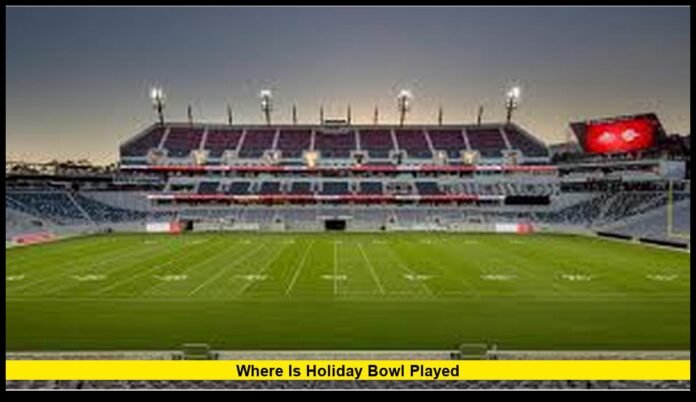

As of today, the Holiday Bowl is played at Snapdragon Stadium in San Diego, California
Where is Holiday Bowl played is a question that continues to draw attention from college football fans across the United States every postseason. As of today, the Holiday Bowl is played at Snapdragon Stadium in San Diego, California, a modern football venue that now serves as the permanent home of the game. This location reflects both the long-standing tradition of the Holiday Bowl and the evolution of college football into a modern, fan-focused era.
The Holiday Bowl is not just another postseason matchup. It is one of the most established bowl games in the country, and its location has always been a defining part of its identity. Understanding where the game is played provides insight into why it remains relevant, well-attended, and respected more than four decades after its debut.
The Holiday Bowl’s Identity Is Closely Tied to San Diego
From the moment the Holiday Bowl was created in the late 1970s, San Diego became inseparable from the event. Unlike many bowl games that have moved cities or changed venues repeatedly, the Holiday Bowl has always remained within the San Diego area. This consistency has helped the game build a recognizable brand that fans associate with Southern California, winter sunshine, and competitive football.
San Diego was chosen because it offered something rare for a postseason football game: predictable weather, strong tourism infrastructure, and an established sports culture. These qualities remain just as relevant today. Teams traveling from colder climates often see the Holiday Bowl as an appealing destination, while fans appreciate the opportunity to combine football with a vacation experience.
The city’s long-term commitment to hosting the Holiday Bowl has played a major role in the game’s survival and growth, even as college football has undergone massive changes.
Snapdragon Stadium: The Current and Official Venue
Today, the Holiday Bowl is played at Snapdragon Stadium, located in Mission Valley, San Diego. The stadium officially became the home of the Holiday Bowl starting with the 2024 postseason and continues to host the game through the 2026 season and beyond. This marks a new chapter in the bowl’s history, one that blends tradition with modern design.
Snapdragon Stadium was built specifically to meet the needs of contemporary sports events. Its football-focused layout, updated infrastructure, and flexible design make it well-suited for hosting a nationally televised bowl game. The stadium’s open-air structure also complements San Diego’s climate, offering a comfortable environment for players and fans alike.
By establishing Snapdragon Stadium as its permanent home, the Holiday Bowl has secured long-term stability in an era where many bowl games face uncertainty.
Read also-How to Watch Rose Bowl 2026 – Full Live Viewing Guide for U.S. Fans
Why a New Stadium Was Necessary
For more than forty years, the Holiday Bowl was played at the original San Diego Stadium, which went by several names over its lifespan. That venue hosted countless memorable moments and became deeply associated with the Holiday Bowl experience. However, time eventually took its toll.
As the stadium aged, it struggled to meet modern expectations for safety, amenities, and media operations. Renovations were no longer enough to address structural issues or improve the fan experience. Eventually, the decision was made to close and demolish the stadium, paving the way for redevelopment of the site.
This transition created a temporary challenge for the Holiday Bowl, but it also opened the door for a long-term upgrade that would ultimately benefit the game.
The Temporary Shift Away From a Football Stadium
During the construction of Snapdragon Stadium, the Holiday Bowl temporarily moved to Petco Park, a baseball stadium located in downtown San Diego. This move ensured that the game could remain in the city while the new stadium was being built.
Hosting a football game in a baseball venue required significant adjustments. Field alignment, seating configuration, and fan flow all had to be carefully managed. While the experience was unique, it was clear that the arrangement was a short-term solution rather than a permanent answer.
Despite these challenges, the Holiday Bowl successfully maintained its attendance and national visibility during this period, demonstrating the strength of its brand and its connection to San Diego.
The Return to Mission Valley
With the completion of Snapdragon Stadium, the Holiday Bowl returned to Mission Valley, restoring a sense of familiarity for longtime fans. The new stadium sits on the same land as the former San Diego Stadium, preserving a geographic link that spans generations.
Mission Valley’s central location is one of its greatest strengths. It offers easy access from multiple highways and is connected to public transportation routes. This accessibility makes attending the Holiday Bowl convenient for both local residents and visitors.
The return to Mission Valley also reestablished the traditional bowl atmosphere that many fans associate with the Holiday Bowl, combining large-scale seating with open sightlines and a classic football setting.
How Snapdragon Stadium Improves the Fan Experience
Snapdragon Stadium represents a significant upgrade in terms of fan comfort and convenience. The seating design emphasizes clear views from every section, reducing obstructed sightlines that were common in older venues. Wider concourses help manage crowds more effectively, especially during halftime and postgame exits.
Modern concession areas offer greater variety and faster service. Digital ticketing and security systems streamline entry, reducing wait times and improving overall flow. These improvements create a smoother, more enjoyable experience from arrival to departure.
For fans attending the Holiday Bowl in person, the stadium enhances every aspect of game day.
The Role of Technology in the New Venue
Technology plays a central role in Snapdragon Stadium’s design. High-definition video boards, advanced sound systems, and integrated broadcast facilities ensure that the Holiday Bowl meets modern production standards.
These features are especially important for a nationally televised game. Clear visuals, reliable connectivity, and efficient media operations contribute to a polished presentation that reflects the bowl’s status.
The stadium’s infrastructure also allows for future upgrades, ensuring that the Holiday Bowl can adapt as technology continues to evolve.
The Holiday Bowl’s Place in Today’s College Football Landscape
College football has changed dramatically since the Holiday Bowl was first played. Conference realignment, expanded playoffs, and shifting television priorities have reshaped the postseason. Despite these changes, the Holiday Bowl remains a respected and well-attended event.
Its location plays a key role in that success. San Diego offers a destination appeal that few other bowl cities can match. Combined with a modern stadium, this appeal helps the Holiday Bowl stand out in a crowded postseason schedule.
The game continues to attract competitive teams and strong national interest, reinforcing its relevance.
The Importance of Scheduling and Location
The Holiday Bowl’s move into early January represents a strategic adjustment that aligns with broader postseason trends. Playing later in the bowl season increases visibility and positions the game alongside other marquee matchups.
Snapdragon Stadium supports this shift by providing a venue capable of hosting high-profile events during a busy time of year. Its design and location make it suitable for evening kickoffs and large television audiences.
The combination of timing and location strengthens the Holiday Bowl’s position in the postseason hierarchy.
Why San Diego Remains the Ideal Host City
San Diego’s climate is one of its greatest assets. Mild winter temperatures reduce the risk of weather-related disruptions and create a comfortable environment for players and fans. This reliability is especially valuable during the postseason, when weather can impact travel and game conditions elsewhere.
The city’s hospitality industry is another major advantage. Hotels, restaurants, and transportation services are well-equipped to handle the influx of visitors associated with a major bowl game. This infrastructure supports both the event and the local economy.
San Diego’s appeal extends beyond football, making the Holiday Bowl a destination experience rather than just a game.
Economic Impact of Hosting the Holiday Bowl
The Holiday Bowl generates significant economic activity for San Diego. Visitors contribute to hotel occupancy, dining revenue, and local transportation use. These benefits extend beyond game day, as many fans arrive early or stay after the game.
Snapdragon Stadium’s role in hosting the Holiday Bowl supports the broader redevelopment of Mission Valley. Major events help justify infrastructure investments and encourage year-round use of the venue.
This economic impact strengthens the partnership between the city and the bowl organizers.
Community Engagement and Bowl Week Activities
The Holiday Bowl is more than a single game. Bowl week typically includes community events, fan activities, and celebrations that engage both visitors and local residents. These events help build excitement and reinforce the bowl’s presence in the city.
Snapdragon Stadium’s surrounding area provides space for these activities, allowing organizers to create a festive atmosphere leading up to kickoff. This engagement enhances the overall value of the Holiday Bowl experience.
Community involvement also helps maintain local support for the event.
Tradition Meets Modern Design
One of the most important aspects of the Holiday Bowl’s current location is how it balances tradition with modernization. While Snapdragon Stadium is a new facility, its placement in Mission Valley preserves continuity with the past.
Longtime fans recognize the significance of returning to the original site, even as they enjoy the benefits of a modern stadium. This balance helps the Holiday Bowl evolve without losing its identity.
Tradition remains a cornerstone of the game, even as it adapts to new realities.
The Long-Term Future of the Holiday Bowl Location
With Snapdragon Stadium now established as the Holiday Bowl’s home, the game enters a period of stability. There are no indications of another venue change in the near future. The stadium was designed to host major events for decades, providing confidence for fans and organizers alike.
This stability is especially important in a rapidly changing college football environment. Knowing where the game will be played simplifies planning for teams, broadcasters, and fans.
A permanent home allows the Holiday Bowl to focus on delivering quality matchups and memorable experiences.
Why Location Still Matters to Fans
Even with modern broadcasting, location remains a key part of the bowl experience. Fans consider travel, weather, and venue quality when deciding whether to attend a game in person.
Understanding where the Holiday Bowl is played helps fans plan trips and set expectations. It also influences how the game is perceived nationally.
The clarity provided by Snapdragon Stadium’s role as the permanent venue benefits everyone involved.
Comparing the Old and New Experiences
Fans who attended games at the former San Diego Stadium often recall the atmosphere fondly, but they also recognize its limitations. Narrow concourses, aging facilities, and limited amenities were common concerns.
Snapdragon Stadium addresses these issues while preserving the open-air football feel that fans appreciate. The result is an experience that honors the past while embracing the future.
This evolution reflects broader trends in sports venue design.
The Holiday Bowl as a Destination Event
Because of its location, the Holiday Bowl is often treated as a destination event. Fans travel from across the country not only to watch football but also to enjoy San Diego’s attractions.
This destination appeal distinguishes the Holiday Bowl from games played in colder climates or less tourist-friendly cities. The combination of football and vacation opportunities enhances the game’s value.
Snapdragon Stadium supports this appeal by offering a modern, welcoming environment.
Media and National Exposure
The Holiday Bowl’s location also supports its role as a nationally televised event. San Diego’s market, combined with a modern stadium, creates a visually appealing broadcast setting.
Clear skies, scenic surroundings, and high-quality production facilities contribute to a strong television presentation. This exposure benefits the participating teams and the bowl itself.
Location plays a subtle but important role in shaping how the game is perceived by viewers.
Why the Question Keeps Getting Asked
The question “where is Holiday Bowl played” continues to appear every year because of recent changes and ongoing interest. Stadium transitions, schedule adjustments, and increased fan mobility have made clarity essential.
Now that the venue is settled, the answer is straightforward. The Holiday Bowl is played at Snapdragon Stadium in San Diego.
This certainty helps fans and media focus on the game itself rather than logistics.
A Clear Answer for Today and the Future
The Holiday Bowl’s home at Snapdragon Stadium represents the next phase in a long and successful history. The venue supports the game’s traditions while meeting modern expectations.
For fans, teams, and organizers, the location offers reliability, comfort, and appeal. These qualities ensure that the Holiday Bowl remains a meaningful part of the college football postseason.
Conclusion: Why Location Defines the Holiday Bowl
The Holiday Bowl’s location is more than a geographic detail. It is a central part of the game’s identity and appeal. Snapdragon Stadium in San Diego provides a fitting home that reflects the bowl’s history and future.
As college football continues to evolve, the Holiday Bowl’s commitment to San Diego and Mission Valley offers stability and continuity. Fans can confidently plan their postseason experience knowing exactly where the game will be played.
What do you think matters more for the Holiday Bowl—the modern stadium or the San Diego setting? Share your thoughts and stay connected for future updates.