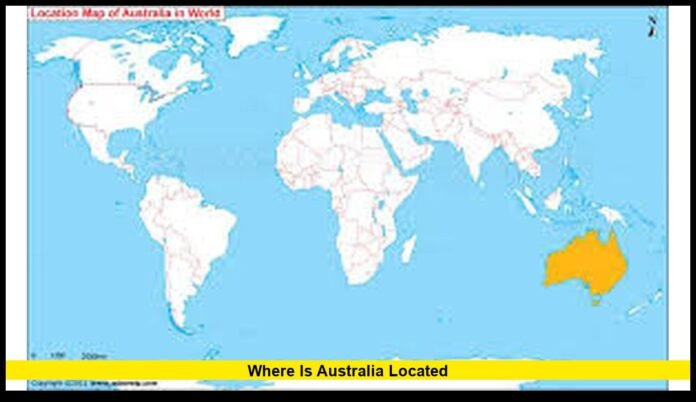

The australia time zone system in 2026 operates across three primary regions, with daylight saving adjustments continuing to shape how Americans schedule meetings, travel, and communicate with the country.
Australia does not use a single national clock. Its time structure reflects its wide geography, stretching across multiple longitudes. This setup ensures daylight aligns with daily routines across different regions. The system remains stable and unchanged as of today.
Three Official Time Zones in Australia
Australia follows three standard time zones year-round (outside daylight saving periods):
- Australian Western Standard Time (AWST) – UTC +8
- Australian Central Standard Time (ACST) – UTC +9:30
- Australian Eastern Standard Time (AEST) – UTC +10
These time zones define how each state and territory operates daily.
Which Regions Follow Each Time Zone
The australia time zone structure is divided clearly across the country:
| Time Zone | Regions Covered |
|---|---|
| AWST | Western Australia |
| ACST | South Australia, Northern Territory |
| AEST | New South Wales, Victoria, Queensland, Tasmania, ACT |
For example, Sydney runs on AEST, while Perth follows AWST. This creates a time gap of up to three hours within the same country.
Daylight Saving Time in 2026
Daylight saving time (DST) continues to affect several regions each year.
States That Observe DST
- New South Wales
- Victoria
- South Australia
- Tasmania
- Australian Capital Territory
States That Do Not Observe DST
- Queensland
- Western Australia
- Northern Territory
When DST is active:
- AEST shifts to AEDT (UTC+11)
- ACST shifts to ACDT (UTC+10:30)
DST typically begins in early October and ends in early April, increasing the time gap with the United States.
U.S. and Australia Time Differences
Australia is significantly ahead of the United States in all time zones.
Standard Time Differences (Sydney as Reference)
| U.S. Time Zone | Time Difference |
|---|---|
| Pacific Time | +17 hours |
| Mountain Time | +16 hours |
| Central Time | +15 hours |
| Eastern Time | +14 hours |
During daylight saving in Australia, the difference increases by one hour.
For instance, an evening in Los Angeles corresponds to late morning the following day in Sydney.
Why Australia Uses a Half-Hour Time Zone
Australia’s central region uses a half-hour offset, which is uncommon worldwide.
ACST operates at UTC+9:30 instead of a full hour. Cities like Adelaide follow this system to better align daylight hours with local lifestyles.
This feature often surprises travelers and international businesses.
Impact on Business and Scheduling
The australia time zone system directly affects how U.S. and Australian organizations work together.
Key Challenges
- Minimal overlap in business hours
- Communication delays across time zones
- Complex scheduling for meetings
Many professionals now rely on digital tools to coordinate across regions more efficiently.
Travel Considerations for Americans
Traveling to Australia involves major time adjustments.
What Travelers Should Know
- Crossing the International Date Line shifts the calendar
- Arrival may be one or two days ahead
- Jet lag can be stronger than most international trips
For example, leaving Seattle can result in arrival in Australia two calendar days later.
Technology and Time Zone Management
Modern tools in 2026 make tracking global time easier.
Widely used options include:
- Smartphone world clocks
- Calendar auto-adjust features
- AI scheduling assistants
These tools automatically adjust for daylight saving, reducing the risk of errors.
Common Mistakes to Avoid
Many Americans misunderstand how Australia’s time system works.
Frequent Errors
- Assuming a single time zone
- Forgetting daylight saving differences
- Ignoring half-hour offsets
- Miscalculating date changes
Understanding these factors helps avoid missed calls and scheduling confusion.
Why Time Awareness Matters
Australia remains a key global partner in areas like business, education, and tourism. Accurate time coordination improves communication and strengthens international connections.
Quick Summary
- Three main time zones: AWST, ACST, AEST
- Daylight saving applies only in certain regions
- Australia is typically 14–17 hours ahead of the U.S.
- Central Australia uses a half-hour offset
- Time differences vary depending on the season
Understanding the australia time zone system helps you plan better, avoid scheduling issues, and stay connected globally—share your thoughts or questions below.