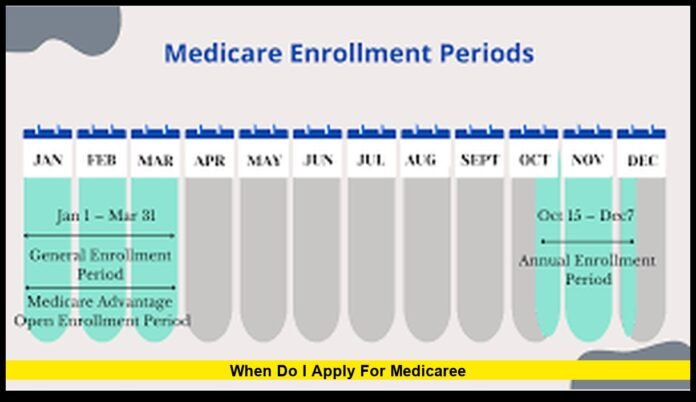

When do I apply for Medicare is one of the most important questions Americans ask as they approach age 65, because application timing determines when coverage begins, whether penalties apply, and how healthcare costs are managed.
Medicare enrollment rules in 2026 continue to follow established federal timelines based on age, disability status, and life events. The primary window is the Initial Enrollment Period, which lasts seven months and begins three months before a person turns 65. Applying during the correct window helps ensure uninterrupted coverage and avoids long-term premium penalties.
This detailed guide explains enrollment timing, eligibility rules, coverage start dates, special situations, and how Americans should plan their Medicare application.
Medicare Eligibility Overview
Most individuals qualify for Medicare when they reach age 65. Others qualify earlier through disability or certain medical conditions.
Primary eligibility categories include:
- Adults age 65 or older
- Individuals under 65 with qualifying disabilities
- People diagnosed with ALS
- Individuals with end-stage renal disease
Eligibility determines the first opportunity to enroll.
Initial Enrollment Period: The Main Application Window
The Initial Enrollment Period is the most important timeframe for Medicare enrollment.
Seven-month timeline
- Begins three months before your 65th birthday month
- Includes your birthday month
- Continues three months after your birthday month
This window applies whether you plan to retire or continue working.
Applying early typically ensures coverage begins without delay.
Coverage Start Dates Based on Application Timing
When you apply affects when benefits start.
| When You Apply | Coverage Start |
|---|---|
| Three months before birthday month | Coverage starts first day of birthday month |
| During birthday month | Coverage usually begins the following month |
| After birthday month | Coverage start may be delayed several months |
Early enrollment reduces the risk of coverage gaps.
Automatic Enrollment vs Applying Yourself
Some individuals are automatically enrolled.
Automatic enrollment generally applies if you already receive:
- Social Security retirement benefits
- Railroad Retirement benefits
Those not receiving benefits must apply manually.
Manual enrollment is common for people delaying retirement income.
Special Enrollment Period: Applying After 65 While Working
Many Americans continue working past age 65 and keep employer health coverage.
A Special Enrollment Period allows enrollment without penalties when:
- You have active employer coverage
- Your employer plan ends
- You leave employment
- You lose qualifying group coverage
This period usually lasts eight months after employment or coverage ends.
General Enrollment Period: A Backup Option
If someone misses the Initial Enrollment Period and does not qualify for a Special Enrollment Period, they can apply during the General Enrollment Period.
General Enrollment timeline
- January 1 through March 31 each year
- Coverage typically begins July 1
Late enrollment penalties may apply, especially for Part B and prescription drug coverage.
Why Medicare Timing Matters
Enrollment timing directly affects healthcare access and long-term costs.
Possible consequences of applying late:
- Coverage delays
- Higher monthly premiums
- Limited immediate plan choices
- Prescription drug penalties
Understanding when do i apply for medicare helps individuals avoid these outcomes.
Understanding the Different Parts of Medicare
Enrollment decisions involve multiple coverage components.
Medicare parts overview
- Part A: Hospital coverage
- Part B: Medical services
- Part C: Medicare Advantage plans offered by private insurers
- Part D: Prescription drug coverage
Part A is often premium-free for eligible workers, while Part B generally requires a monthly premium.
Applying for Medicare While Still Employed
Working past 65 is increasingly common, and enrollment decisions depend on employer coverage.
Important considerations:
- Size of the employer
- Whether employer insurance remains primary
- Coordination of benefits
- Eligibility for Special Enrollment Period
Large employer coverage often allows delayed Part B enrollment without penalties.
Medicare Eligibility Under Age 65
Some individuals qualify before age 65.
Typical pathways include:
- Receiving Social Security disability benefits for 24 months
- ALS diagnosis, which triggers faster eligibility
- ESRD eligibility tied to treatment requirements
Enrollment timing varies based on the qualifying condition.
Late Enrollment Penalties Explained
Penalties exist to encourage timely enrollment.
Common penalties:
- Part B penalty increases monthly premium based on delayed enrollment time
- Part D penalty applies for months without creditable prescription coverage
These penalties may continue for as long as coverage remains active.
How to Apply for Medicare
Application methods remain straightforward.
Ways to apply:
- Online application through federal enrollment portals
- Phone enrollment
- In-person appointment at Social Security offices
Online enrollment remains the most widely used method.
Applicants typically provide identity details, employment information, and current insurance status.
Coordinating Medicare With Retirement Planning
Medicare decisions often overlap with retirement planning.
Key coordination areas:
- Retirement income timing
- Employer insurance transition
- Supplemental coverage planning
- Budget planning for healthcare costs
Some individuals enroll in Medicare before claiming Social Security benefits.
Supplemental Coverage Decisions After Enrollment
After enrolling in Original Medicare, individuals often explore additional coverage.
Common options include:
- Medicare Advantage plans
- Medigap supplemental policies
- Standalone prescription drug plans
Enrollment timing can affect guaranteed eligibility for certain supplemental policies.
Example Enrollment Timeline
Example for someone turning 65 in June:
- Initial Enrollment Period begins: March
- Birthday month: June
- Initial Enrollment Period ends: September
Applying between March and May ensures coverage begins June 1.
Common Enrollment Mistakes
Frequent errors include:
- Waiting until after turning 65
- Assuming automatic enrollment applies
- Missing prescription drug enrollment
- Not understanding employer coverage rules
Planning ahead helps prevent costly mistakes.
Recent Enrollment Process Improvements
As of 2026, Medicare enrollment continues shifting toward digital tools and simplified processes.
Current improvements include:
- Streamlined online applications
- Faster eligibility confirmation
- Expanded educational resources
- Clearer guidance for working adults
These updates aim to reduce confusion around enrollment timing.
Why Medicare Enrollment Questions Are Increasing
Enrollment questions continue rising due to demographic and economic factors.
Key reasons:
- Large number of Americans reaching age 65
- Longer working careers
- Healthcare cost concerns
- Increased plan choices
Many people begin researching enrollment months before eligibility.
Planning Strategies for First-Time Applicants
Helpful planning steps include:
- Mark the start of your Initial Enrollment Period
- Review employer coverage status
- Compare Medicare plan options early
- Confirm prescription drug coverage
- Apply before your birthday month when possible
Early preparation helps ensure smoother enrollment.
What Happens After You Apply
After submitting an application:
- Eligibility is reviewed
- Enrollment confirmation is issued
- Coverage start date is assigned
- Plan selection decisions continue
Applicants can adjust coverage choices during future enrollment windows.
Key Takeaways on Medicare Application Timing
Important reminders:
- The Initial Enrollment Period begins three months before age 65
- Special Enrollment Periods protect working adults
- The General Enrollment Period is a fallback option
- Applying early prevents delays and penalties
The timing question when do i apply for medicare remains essential because it affects both coverage start and long-term costs.
Conclusion
Medicare enrollment begins with a seven-month Initial Enrollment Period that starts three months before your 65th birthday month and remains the most important window for applying. Special Enrollment Periods offer flexibility for those with employer coverage, while the General Enrollment Period provides a backup option for missed deadlines. Applying early ensures coverage starts on time, avoids penalties, and supports smoother healthcare planning as individuals transition into Medicare eligibility.
Are you preparing to enroll in Medicare soon or helping a family member plan? Share your questions and join the discussion.