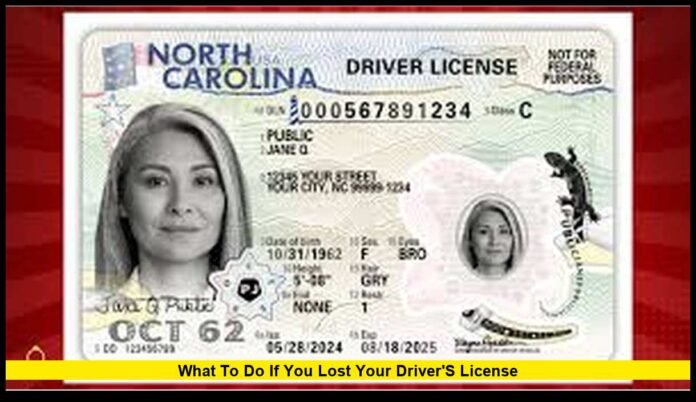

What to do if you lost your driver’s license is a situation millions of Americans face every year, and in 2026 the issue carries more weight than ever. Driver’s licenses now serve as primary identification for driving, travel, employment verification, and access to essential services. With updated DMV systems, stricter identity checks, and wider adoption of digital tools, the process of replacing a lost license has changed in meaningful ways.
Losing your license can disrupt daily life quickly, but understanding the correct steps helps you recover faster, stay compliant with the law, and reduce the risk of identity misuse. This guide explains the full replacement process using current U.S. practices and regulations.
Why a Lost Driver’s License Requires Immediate Attention
A driver’s license is more than a driving permit. It confirms your identity and legal status in many situations. Without it, even routine tasks can become complicated.
A missing license can affect:
- Your ability to legally operate a vehicle
- Traffic stops and roadside checks
- Identity verification for work or housing
- Domestic travel and airport security
- Financial transactions and insurance claims
Because of these consequences, most states strongly encourage drivers to replace a lost license as soon as possible.
Confirming Whether the License Is Truly Lost
Before starting the replacement process, take time to search carefully. Many licenses are found within the same day they go missing.
Common places to check include:
- Wallet compartments and purses
- Jacket, pants, or hoodie pockets
- Vehicle seats, consoles, and glove boxes
- Gym lockers or workplace storage
- Home entryways and desks
If the license was lost along with your wallet or bag, treat the situation as urgent and move forward with replacement steps.
Understanding the Identity Risk
A lost driver’s license can expose personal information such as your full name, date of birth, address, and license number. This creates a potential risk for identity theft.
Situations that raise concern include:
- Theft involving multiple personal items
- Unauthorized financial activity
- Unexpected changes to accounts or addresses
Acting quickly reduces the window for misuse and helps protect your identity.
How License Replacement Works in the U.S. Today
All U.S. states allow drivers to replace a lost license, but the process varies slightly. In recent years, most DMVs have shifted toward online systems that reduce wait times and improve security.
Current replacement options include:
| Replacement Method | Availability | Processing Speed |
|---|---|---|
| Online DMV portal | Most states | Fastest |
| In-person visit | All states | Moderate |
| Mail-in request | Limited use | Slowest |
Online replacement is now the most commonly used method.
Information You Need Before Applying
Preparing in advance helps avoid delays. Most DMVs require the following details:
- Full legal name
- Date of birth
- Driver’s license number, if known
- Social Security number or last four digits
- Current residential address
If your address or name recently changed, updates may be required before a replacement is issued.
Applying for a Replacement License Online
Online replacement services allow drivers to submit requests from home. The process is designed to be secure and efficient.
Typical steps include:
- Access your state DMV website
- Log in or create an account
- Complete identity verification
- Pay the replacement fee
- Receive confirmation and temporary credentials
Replacement fees usually range from $10 to $35, depending on the state.
Temporary Licenses While Waiting
Many states issue temporary driving credentials immediately after approval. These allow you to continue driving legally.
Temporary credentials may include:
- A printable paper license
- A digital confirmation
- An official receipt recognized by law enforcement
Temporary licenses are usually valid for 30 to 60 days.
How Long It Takes to Receive the Physical License
After approval, the DMV mails your replacement license to your registered address.
Typical timelines include:
- 7 to 14 business days under normal conditions
- Up to 30 days during peak demand or system delays
If delivery takes longer than expected, contacting the DMV is recommended.
What Happens If You Are Stopped Without Your License
Driving without your physical license can lead to penalties, even if your driving record is valid.
If stopped by law enforcement:
- Remain calm and cooperative
- Provide temporary documentation if available
- Share your full name and date of birth
- Explain that you are awaiting a replacement
Most officers can verify your license status electronically.
Losing Your License While Traveling
Losing a license away from home can be stressful, especially if flights or hotel check-ins are involved.
Important considerations include:
- Temporary licenses are not always accepted for air travel
- Additional security screening may be required
- A passport can serve as an alternative form of ID
Applying for replacement immediately helps limit disruption.
REAL ID Considerations
REAL ID-compliant licenses are increasingly required for domestic flights and access to federal facilities. If your lost license was REAL ID-compliant, replacing it promptly is especially important.
Non-REAL ID licenses remain valid for driving but may cause delays during identity checks.
Minors and Seniors: Special Replacement Rules
Replacement requirements vary based on age and license type.
- Minors: A parent or legal guardian often must submit or approve the replacement request. Additional documentation may be required.
- Seniors: Some states require in-person visits, vision tests, or medical disclosures for older drivers.
- Commercial drivers: CDL holders face stricter federal requirements and often must complete replacements in person with updated medical certification.
Understanding these rules helps prevent unexpected delays.
Changing Your License Information Before Replacement
If you recently changed your name or address, it is important to update your driver’s license records before applying for a replacement. State DMVs rely on current information to verify identity, and outdated details can delay approval or result in a license being issued with incorrect information.
In most states, address changes can be completed online and are updated quickly in the DMV system. Name changes, such as those resulting from marriage, divorce, or court orders, usually require official documentation and may involve an in-person visit to confirm identity. Supporting documents often include certified court orders or updated federal identification records.
Ensuring your records are accurate before requesting a replacement helps prevent reissuance errors, reduces processing delays, and avoids future complications during traffic stops, employment verification, or travel-related identity checks.
Special Situations That Can Delay Replacement
In some cases, replacing a lost or stolen driver’s license may take longer than expected due to additional review and verification requirements. State DMVs apply extra checks when a driver’s record or personal information needs to be confirmed before a new license can be issued.
Certain conditions that can slow down the process include:
- An expired license: If your license has expired, a renewal may be required instead of a simple replacement. This can involve vision testing, updated documentation, or an in-person visit.
- Suspensions or unresolved fines: Outstanding violations, unpaid tickets, or administrative holds often must be resolved before a replacement license can be approved.
- Recent record updates: Changes to your name, address, or personal details may trigger additional identity verification to ensure records are accurate.
- Loss during a natural disaster: Natural disasters can disrupt DMV operations and mail delivery, and special recovery procedures may apply, sometimes requiring proof of residency or loss.
These situations may require extra documentation, longer processing times, or a visit to a DMV office. Preparing the necessary paperwork in advance can help reduce delays and keep the replacement process moving smoothly.
Legal and Financial Consequences of Delay
Postponing the replacement of a lost or stolen driver’s license can lead to avoidable legal and financial complications. Even if your driving privileges remain valid in state records, most states require drivers to carry a physical or approved temporary license while operating a vehicle.
Delays can result in:
- Traffic citations: Being stopped without a license in your possession may lead to fines, warnings, or citations, depending on state law and the circumstances of the stop.
- Employment verification problems: Many employers and contractors require valid photo identification for hiring, onboarding, or continued access to secure workplaces.
- Insurance claim delays: Auto insurance providers may request proof of a valid license before processing claims related to accidents, roadside assistance, or coverage disputes.
Replacing your license as quickly as possible helps you remain compliant with state regulations, avoid unnecessary penalties, and reduce stress during everyday activities.
What To Do If Your License Was Stolen
If your driver’s license was stolen rather than misplaced, it is important to act immediately. Theft increases the risk of identity fraud, as a driver’s license contains personal details that can be misused for financial or legal activities in your name.
Key steps to take include:
- Filing a police report if required: Some states recommend or require a police report when a license is stolen, especially if it was taken with other personal belongings. A report can help document the theft and support fraud claims.
- Notifying your DMV: Contact your state DMV as soon as possible so the stolen license can be flagged in the system. This step helps prevent unauthorized use and speeds up the replacement process.
- Monitoring financial and personal accounts: Watch closely for unusual transactions, new accounts, or address changes. If your wallet was stolen, extra monitoring is especially important.
- Applying for a replacement without delay: Most states allow immediate replacement requests, often through online DMV portals, which helps limit the window for misuse.
In many states, drivers who provide documentation of theft may qualify for a waived or reduced replacement fee. Acting quickly not only restores your driving credentials sooner but also strengthens protection against identity and financial risks.
Preventing Future Loss
Once your driver’s license is replaced, taking proactive steps can significantly reduce the risk of losing it again. Many license losses happen during routine activities, such as shopping, commuting, or traveling, rather than major incidents.
Helpful habits include:
- Using a secure wallet: Choose wallets with firm closures or dedicated ID slots to prevent cards from slipping out.
- Limiting carried documents: Carry only essential identification to reduce the impact if something is misplaced.
- Storing digital copies securely: Keep encrypted digital images of your license in protected cloud storage or a secure device folder for reference if needed.
- Checking belongings before leaving public places: Make it a habit to confirm your wallet and phone are with you before leaving restaurants, gyms, rideshares, or public transit.
In addition, several states now support mobile driver’s licenses through official apps. While these digital credentials do not yet replace physical licenses everywhere, they provide a reliable backup option and reduce daily reliance on carrying the physical card, adding both convenience and security.
Digital Driver’s Licenses and Mobile IDs
Mobile driver’s licenses are increasingly available as states adopt secure digital alternatives to traditional plastic cards. These digital credentials are stored in official state apps and use encrypted technology to protect your personal information. While adoption varies by state, the number of jurisdictions offering mobile driver’s licenses has grown significantly in recent years.
In 2026, many states accept mobile IDs at specific checkpoints such as select airport security lanes, traffic stops, and law enforcement interactions, provided the officer has compatible verification tools. Mobile licenses allow drivers to present only the necessary information—for example, age verification without exposing full personal details—enhancing both privacy and security.
Despite these advancements, mobile driver’s licenses do not yet fully replace physical licenses for all purposes. Some restrictions remain:
- Air travel: Not all airports or TSA lanes currently support mobile IDs, so a physical license or passport may still be required.
- DMV transactions: Certain in-office services still require a physical ID.
- Non-compatible systems: Entities without mobile-ID readers may only accept physical cards.
Mobile driver’s licenses are evolving rapidly, and states continue expanding acceptance points. For many drivers, mobile IDs offer a convenient backup that reduces reliance on carrying a physical license every day, while still ensuring compliance with legal requirements.
Final Thoughts
Losing your driver’s license is inconvenient, but modern DMV systems, stronger identity safeguards, and expanding digital services have made the replacement process faster and more reliable than it once was. Acting quickly after a loss helps limit identity risks, prevents driving interruptions, and keeps you compliant with state laws.
By following your state’s guidelines, securing temporary credentials when available, and staying aware of updated requirements, you can minimize delays and avoid penalties. Staying informed and proactive allows you to move forward with confidence and keep your daily routine on track without unnecessary stress.
Disclaimer
This content is provided for general informational purposes only and does not constitute legal advice. Driver’s license requirements, fees, processing times, and eligibility rules vary by state and are subject to change. Always consult your state’s motor vehicle agency for the most accurate and current information.