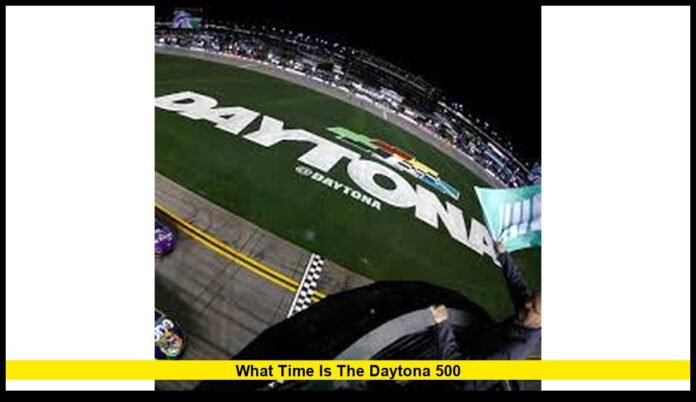

Fans across the country are asking, what time is the Daytona 500, and the official 2026 start schedule is now confirmed. The race takes place Sunday, February 15, 2026, at Daytona International Speedway, with pre-race coverage beginning at 1:30 p.m. Eastern Time and the green flag set for 2:13 p.m. ET. NASCAR adjusted the timing earlier in the day to reduce the risk of weather disruption, ensuring the season-opening event runs as planned.
The Daytona 500 launches the NASCAR Cup Series season and remains the sport’s most prestigious race. Every February, it captures national attention and sets the tone for the year ahead.
Official 2026 Daytona 500 Start Time
Here are the confirmed race-day details for U.S. viewers:
- Race Date: Sunday, February 15, 2026
- Pre-Race Broadcast: 1:30 p.m. ET
- Green Flag: 2:13 p.m. ET
- Venue: Daytona International Speedway, Daytona Beach, Florida
- Distance: 500 miles
- Total Laps: 200
The green flag time is the moment competitive racing officially begins. Drivers complete pace laps before 2:13 p.m. ET, but that is the scheduled start of the race itself.
For anyone planning their Sunday schedule, 2:13 p.m. Eastern is the key time to remember.
Why the Race Starts Earlier in 2026
Weather forecasts for central Florida indicated an increased chance of afternoon rain. NASCAR officials responded by shifting the start time forward by one hour.
Moving the race earlier reduces the likelihood of a rain delay or a postponed finish. The Daytona 500 has faced weather interruptions in past seasons, sometimes pushing the event into the evening or the following day. The 2026 schedule adjustment aims to avoid that scenario.
The change protects the full 500-mile distance and preserves the race-day experience for fans in the grandstands and at home.
Where to Watch the Daytona 500
The 2026 Daytona 500 airs live on FOX across the United States.
Coverage begins at 1:30 p.m. ET with pre-race programming that includes:
- Driver introductions
- Expert analysis
- National anthem
- Command to start engines
- Grid walk coverage
The race itself starts at 2:13 p.m. ET.
Radio listeners can tune in through:
- Motor Racing Network (MRN)
- SiriusXM NASCAR Radio
Streaming options are available through supported FOX digital platforms.
Time Zone Breakdown Across the U.S.
Here’s how the green flag time translates nationwide:
- Eastern Time (ET): 2:13 p.m.
- Central Time (CT): 1:13 p.m.
- Mountain Time (MT): 12:13 p.m.
- Pacific Time (PT): 11:13 a.m.
Pre-race coverage begins one hour earlier in each respective time zone.
West Coast viewers should prepare for a late morning start, while fans on the East Coast will enjoy a traditional mid-afternoon launch.
Why the Daytona 500 Matters So Much
The Daytona 500 is more than the first race of the year. It carries unmatched prestige in stock car racing.
Winning this event often defines a driver’s career. The race awards the Harley J. Earl Trophy and delivers one of the largest purses in NASCAR. A victory secures an automatic playoff berth under NASCAR’s current format.
Because it opens the season, the event also introduces new team lineups, sponsor partnerships, and rookie drivers. Fans get their first look at competitive performance in 2026.
What Makes Racing at Daytona Unique
Daytona International Speedway is a 2.5-mile superspeedway known for high speeds and pack racing. The banking in the turns allows cars to draft tightly together, sometimes separated by inches at nearly 200 miles per hour.
Drafting creates:
- Large lead packs
- Frequent position changes
- Multi-car runs
- Dramatic finishes
The final lap often determines the winner. A late caution can trigger overtime, extending the race beyond 200 laps.
Superspeedway racing rewards teamwork and timing. Teammates push each other in the draft, while pit strategy plays a major role during stage breaks.
Race Format Overview
The Daytona 500 follows NASCAR’s stage racing structure:
- Stage 1: First segment of the race
- Stage 2: Middle segment
- Final Stage: Runs to the checkered flag
Points are awarded at the end of the first two stages. The final stage determines the winner.
Pit stops under caution are critical. Crew chiefs must decide whether to prioritize track position or fuel strategy. One mistimed stop can cost several positions.
Because of the drafting dynamic, drivers can move from mid-pack to the lead in just a few laps.
Pre-Race Traditions
Race day at Daytona includes several iconic traditions.
The pre-race ceremony features:
- Military flyover
- Performance of the national anthem
- Driver introductions on the frontstretch
- The ceremonial command to start engines
Fans in attendance often arrive hours early to experience the atmosphere.
Engines fire, cars roll onto the track, and tension builds as the field prepares for the formation laps.
Expected Race Length
The Daytona 500 typically lasts between three and four hours.
If the green flag drops at 2:13 p.m. ET and weather remains clear, the race could conclude between 5:30 p.m. and 6:30 p.m. ET. Caution periods, crashes, or overtime finishes may extend the duration.
Daytona is known for “The Big One,” a multi-car crash that can dramatically alter the field late in the race.
Key Factors That Influence the Outcome
Several elements shape the final result:
- Drafting partnerships
- Late-race restarts
- Fuel mileage strategy
- Tire wear
- Spotter communication
Restarts near the end of the race often produce three-wide racing into Turn 1. Drivers must choose lanes carefully and react quickly.
A well-timed push from a teammate can create a race-winning surge in the closing seconds.
Track Conditions and Weather Considerations
Florida weather in February can change quickly. Even with the earlier start time, teams remain prepared for shifting wind patterns and track temperature changes.
Cooler air increases engine power but may reduce grip. Wind direction influences drafting lanes and side-by-side stability.
NASCAR monitors radar throughout the event to avoid unnecessary delays.
Attendance and Economic Impact
The Daytona 500 draws tens of thousands of fans to Daytona Beach each year. Hotels fill weeks in advance, and the surrounding area sees a major economic boost.
Infield campers often arrive days before the race. The grandstands fill steadily on Sunday morning.
The event marks one of the busiest tourism weekends for Volusia County.
Quick Reference: Daytona 500 2026
| Category | Details |
|---|---|
| Race Date | February 15, 2026 |
| Green Flag | 2:13 p.m. ET |
| Broadcast Start | 1:30 p.m. ET |
| Network | FOX |
| Location | Daytona Beach, Florida |
| Track Length | 2.5 miles |
| Total Laps | 200 |
| Race Distance | 500 miles |
This overview provides everything fans need in one place.
Planning Your Viewing Experience
Many households treat the Daytona 500 as a major sporting event, similar to championship football or basketball games.
If you’re hosting a watch party:
- Turn on coverage before 1:30 p.m. ET
- Expect racing to run through early evening
- Monitor weather alerts
- Prepare for potential overtime
If you’re attending in person, allow extra travel time. Security screenings and traffic congestion can delay entry.
Final Word on the 2026 Start Time
To answer the question clearly and directly: what time is the Daytona 500? The 2026 race takes the green flag at 2:13 p.m. Eastern Time on Sunday, February 15, with coverage starting at 1:30 p.m. ET on FOX.
This iconic race begins a new NASCAR season and promises high-speed action from the first lap to the final sprint.
Will you be watching from home or cheering from the grandstands? Share how you’re planning to experience race day and stay ready for the green flag.