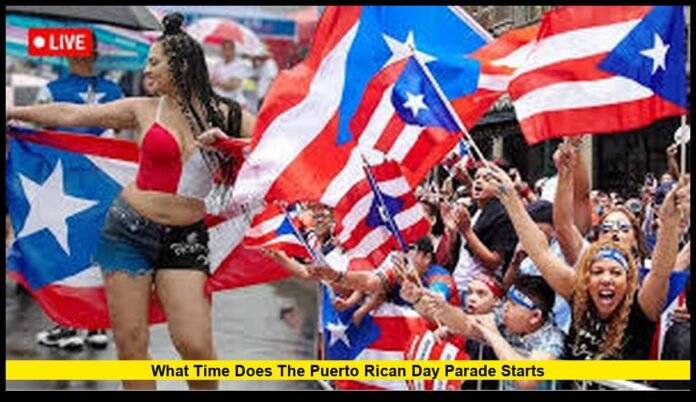

Every June, New York City comes alive with music, culture, and community pride as millions gather for one of the nation’s largest cultural events. This year, many attendees are asking the same question: what time does the puerto rican day parade start? The 2026 National Puerto Rican Day Parade is set to begin at 12 p.m. on Sunday, June 14, bringing thousands of participants and spectators to Manhattan’s iconic Fifth Avenue for a day dedicated to celebrating Puerto Rican heritage and contributions.
The annual event has become much more than a parade. It serves as a powerful showcase of culture, history, achievement, and unity, drawing people from across the United States and beyond. Families travel long distances to participate in the festivities, while local residents line the streets to enjoy the colorful floats, live performances, and community organizations that make the parade a signature New York tradition.
As excitement builds for this year’s celebration, here is a complete look at the parade schedule, route, history, honorees, cultural significance, and everything visitors should know before heading to Fifth Avenue.
The 2026 Puerto Rican Day Parade Schedule
The National Puerto Rican Day Parade will officially begin at noon on Sunday, June 14, 2026.
The celebration takes place rain or shine and typically continues throughout the afternoon. While the official start time is 12 p.m., spectators often begin arriving several hours earlier to secure viewing spots along the route.
Many community groups and performers also gather before the parade begins, creating an energetic atmosphere throughout Midtown Manhattan during the morning hours.
Because of the event’s popularity, organizers encourage attendees to arrive early, especially those hoping to watch from prime locations near major intersections along Fifth Avenue.
Where the Parade Takes Place
The parade follows its traditional route along Fifth Avenue in Manhattan.
Marchers, performers, community organizations, cultural groups, and honored guests travel north along one of New York City’s most recognizable streets. The route stretches from East 44th Street to East 79th Street, passing some of Manhattan’s most famous landmarks and neighborhoods.
The parade route allows large crowds to spread across dozens of city blocks while creating a vibrant corridor of music, dancing, and celebration.
Along the route, spectators can expect to see Puerto Rican flags waving from sidewalks, buildings, and parade floats, creating a sea of red, white, and blue throughout the city.
A Tradition That Spans Generations
Over the decades, the event has grown from a community gathering into a nationally recognized celebration that attracts visitors from every corner of the country.
For many families, attending the parade has become a yearly tradition passed from one generation to the next. Grandparents, parents, and children often attend together, creating memories while honoring their cultural heritage.
The event celebrates Puerto Rican identity while also highlighting the diverse experiences of Puerto Rican communities living throughout the United States.
Why the Parade Remains So Important
The parade’s significance extends far beyond entertainment.
It provides an opportunity to recognize the contributions Puerto Ricans have made across numerous fields, including:
- Education
- Public service
- Business
- Healthcare
- Sports
- Military service
- Music and entertainment
- Science and technology
Throughout the years, the parade has served as a platform to celebrate achievements while promoting cultural understanding and community engagement.
For many attendees, the event represents pride, resilience, and a connection to family history.
The Theme for 2026
Each year, parade organizers select a theme that reflects current priorities, cultural values, and community goals.
For 2026, the theme is centered on the idea that Puerto Rican identity extends far beyond geographic boundaries.
The message highlights the influence of Puerto Rican communities throughout the United States and around the world while recognizing the cultural impact that Puerto Ricans continue to have across multiple industries and professions.
The theme also emphasizes unity and the shared experiences that connect Puerto Rican communities regardless of where they live.
Honorees Taking Center Stage
One of the biggest attractions each year is the recognition of individuals who have made meaningful contributions to culture, entertainment, leadership, and public service.
The 2026 parade includes several notable figures from the worlds of music, acting, politics, and community advocacy.
These honorees help bring additional attention to the event while serving as examples of Puerto Rican achievement and influence.
Their participation also reflects the parade’s mission of celebrating excellence across generations and professions.
Daddy Yankee’s Expected Appearance Draws Attention
Among the most talked-about participants this year is global music superstar Daddy Yankee.
Widely regarded as one of the most influential artists in Latin music history, Daddy Yankee helped bring reggaetón to mainstream audiences around the world.
His music career has earned international recognition and inspired countless artists across multiple genres.
Fans are expected to gather in large numbers along the parade route hoping to catch a glimpse of the iconic performer during the festivities.
Anthony Ramos Returns to Celebrate His Roots
Actor and singer Anthony Ramos is another high-profile participant expected to attract significant attention.
Known for his success in theater, television, and film, Ramos has become one of the most recognizable Puerto Rican entertainers of his generation.
His involvement underscores the parade’s commitment to highlighting individuals who continue to elevate Puerto Rican representation in the arts.
For younger attendees, figures like Ramos provide inspiration while demonstrating the possibilities available through dedication and hard work.
A Showcase of Music and Dance
Music remains one of the defining features of the National Puerto Rican Day Parade.
Throughout the route, spectators can enjoy a variety of performances representing both traditional and contemporary Puerto Rican culture.
Popular musical styles often featured include:
Salsa
Salsa continues to play a central role in Puerto Rican celebrations and remains one of the most recognizable sounds of the parade.
Reggaetón
Modern Puerto Rican music has reached audiences worldwide, making reggaetón a major attraction during parade festivities.
Bomba and Plena
These traditional musical forms reflect deep cultural roots and remain important expressions of Puerto Rican heritage.
Latin Jazz
Many performers blend traditional influences with jazz, creating unique sounds that showcase Puerto Rico’s rich musical legacy.
Dance groups accompanying musical performances add even more energy to the event, creating a dynamic atmosphere throughout Fifth Avenue.
Community Organizations Take the Spotlight
While celebrity appearances often generate headlines, community organizations remain the heart of the parade.
Schools, nonprofits, cultural groups, advocacy organizations, and local associations participate each year.
These groups use the event to celebrate achievements, promote educational opportunities, and strengthen community connections.
Many organizations spend months preparing floats, banners, costumes, and performances for the parade.
Their participation helps preserve traditions while introducing new generations to Puerto Rican culture and history.
Economic Impact on New York City
The parade also delivers substantial economic benefits to New York City.
Hotels, restaurants, transportation services, and retailers often experience increased business during parade weekend.
Visitors traveling from outside the city contribute to local tourism spending while supporting businesses throughout Manhattan and surrounding boroughs.
The event’s popularity has helped establish it as one of New York’s major annual attractions.
What Spectators Should Expect
Anyone attending the parade should prepare for large crowds and a lively atmosphere.
Crowd sizes frequently reach into the hundreds of thousands along the route, creating a festival-like environment across Midtown and the Upper East Side.
Visitors can expect:
- Music throughout the route
- Colorful floats
- Cultural performances
- Family-friendly entertainment
- Community celebrations
- Special guests and honorees
- Puerto Rican flags and cultural displays
The atmosphere is generally welcoming and celebratory, making the event appealing for visitors of all ages.
Transportation Tips for Parade Day
Because of extensive street closures, public transportation remains the preferred option for most attendees.
Subway stations near the parade route often provide the easiest access to viewing areas.
Those traveling by car should expect significant traffic delays and limited parking availability.
Visitors unfamiliar with Manhattan may benefit from planning their routes in advance and allowing additional travel time.
Street Closures and Security Measures
Large-scale events in New York City typically require extensive traffic management and security planning.
Numerous streets surrounding Fifth Avenue are expected to experience temporary closures before and during the parade.
Security personnel and event staff will be stationed throughout the route to assist attendees and maintain public safety.
Spectators should follow all instructions from city officials and event organizers while attending the celebration.
What Time Does the Puerto Rican Day Parade Start for Television Viewers?
For viewers watching from home, many local and regional broadcasters provide live parade coverage.
Those searching online for what time does the puerto rican day parade start can expect televised coverage to begin around the official noon start time, with pre-parade segments often airing earlier in the day.
Coverage typically includes interviews, performances, cultural features, and highlights from various points along the parade route.
This allows people across the country to participate in the celebration even if they cannot attend in person.
Puerto Rican Culture’s Lasting Influence
The National Puerto Rican Day Parade serves as a reminder of the enormous influence Puerto Rican communities have had throughout American society.
Puerto Rican artists, educators, entrepreneurs, athletes, scientists, and public servants continue to shape communities across the nation.
The parade provides an opportunity to recognize these contributions while celebrating traditions that remain deeply meaningful to millions of people.
For many attendees, the event represents a connection to family history, cultural pride, and a shared sense of identity.
Looking Ahead to a Memorable Celebration
As New York City prepares for another year of festivities, anticipation continues to grow for what is expected to be one of the largest cultural gatherings of 2026.
With thousands of participants, major honorees, live entertainment, and widespread community involvement, the National Puerto Rican Day Parade remains a highlight of the summer calendar.
Whether attending in person along Fifth Avenue or watching from home, millions will come together to celebrate Puerto Rican heritage, achievements, and traditions that continue to enrich communities throughout the United States.
The 2026 parade promises another unforgettable day of music, culture, pride, and unity in the heart of New York City.