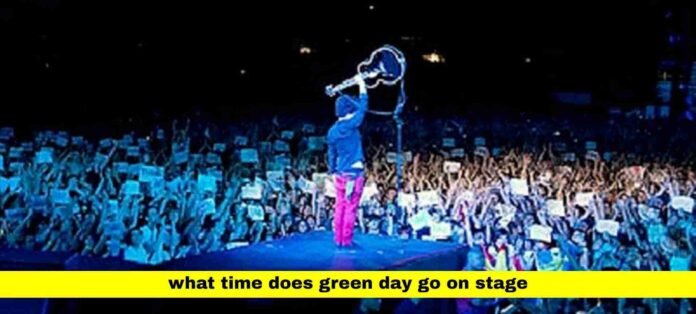

Green Day usually takes the stage later in the evening after opening acts and production setup are complete. Arrival timing matters because the band is known for starting close to schedule and opening with high-energy songs.
Fans searching for what time does green day go on stage are usually trying to plan their night, avoid missing the opening moments, and manage travel, parking, or watch-party timing. While Green Day does not follow a single universal stage schedule across every appearance, there are clear, consistent patterns that apply to U.S. concerts, festivals, and televised performances. Understanding how these schedules work helps fans arrive at the right time and get the full experience.
Green Day remains one of the most reliably punctual major rock acts in live music. Across tours, arena shows, stadium performances, and festival headlining slots, the band follows structured timelines that balance opening acts, production needs, curfews, and broadcast windows. Knowing how these factors interact is the key to understanding when the band typically takes the stage.
Why Green Day Stage Times Are Not Identical at Every Event
Green Day performs in a wide range of settings, and each venue type operates under different rules. Arena shows, stadium concerts, outdoor festivals, and televised events all follow unique production schedules. Because of this, the band’s stage time is determined by the event structure rather than a fixed hour.
Venue curfews play a major role. Many U.S. cities enforce strict noise regulations that require concerts to end by a certain time, especially on weeknights. Promoters build schedules backward from those limits, which directly affects when Green Day appears.
The presence of opening acts also influences timing. When Green Day headlines its own tour, one or more supporting bands typically perform first. At festivals, Green Day usually appears as a headliner and performs later than all other acts on that stage.
Typical Start Times for Green Day Headline Concerts
At U.S. arena and stadium concerts where Green Day is the primary headliner, the band most often takes the stage in the late evening. Doors usually open well before showtime, followed by opening performances that last one to two hours in total.
Green Day’s set typically begins after the final opening act clears the stage and a short production reset occurs. This timing allows for lighting, video, and sound adjustments required for the band’s full production.
While the exact minute varies by city, these headline shows are designed to give Green Day a full-length performance while still ending before local curfews. Fans who arrive too late risk missing the opening songs, which are often high-energy staples.
How Festival Performances Affect Green Day Stage Time
Festival appearances follow a more rigid schedule than standalone concerts. Festival organizers assign fixed performance windows, and headliners like Green Day are usually slotted for the final or second-to-last performance of the night on the main stage.
Because festivals operate on tight schedules with multiple acts, Green Day’s start time is usually announced in advance as part of the official lineup timetable. These times are more predictable than tour shows but still depend on the specific festival and location.
Festival headlining sets are often slightly shorter than tour performances, but they still begin late enough to close out the night. Fans attending festivals should arrive well before the scheduled time due to crowd size and security checkpoints.
Green Day on Television and Special Events
When Green Day appears on televised events, award shows, or special broadcasts, the band’s stage time is determined by the production rundown rather than audience arrival schedules. In these cases, Green Day performs at a specific moment within a broadcast window.
Televised performances are usually shorter than full concerts and may occur earlier or later in the program depending on pacing. These appearances prioritize broadcast timing over traditional concert flow.
Viewers watching from home should rely on the program’s schedule rather than typical concert expectations, as the band may appear earlier than it would at a live venue.
Why Opening Acts Matter for Arrival Timing
Opening acts are a standard part of Green Day’s tour structure. These artists perform before Green Day and help set the tone for the night. Their performance lengths can vary depending on the number of openers and the tour format.
Fans who want to see the full lineup should arrive when doors open or shortly after. Those focused solely on Green Day should still allow extra time for parking, entry, and finding seats, as headline sets often begin promptly once scheduled.
Late arrivals risk missing the start of Green Day’s set, as the band is known for starting close to the planned time rather than delaying excessively.
How Venue Type Changes the Experience
Indoor arenas allow for more precise scheduling because lighting and sound are controlled. Outdoor stadiums and amphitheaters must account for sunset times, weather, and local regulations, which can shift start times slightly earlier or later.
Outdoor venues often aim to start headline performances earlier in the evening to ensure visibility and compliance with local rules. Indoor shows have more flexibility and may start later.
Understanding the venue type helps fans estimate when Green Day will take the stage even before official schedules are released.
Time Zones and Travel Planning
For fans traveling across time zones, stage time can feel earlier or later than expected. A Green Day concert that begins late in local time may feel especially late to travelers from earlier zones.
Planning meals, rest, and transportation around local time is essential for avoiding fatigue and enjoying the full performance. This is especially important for fans attending back-to-back tour dates in different cities.
Why Green Day’s Set Length Matters
Green Day is known for delivering long, energetic sets that span decades of music. Their performances often include extended crowd interaction, guest moments, and surprise song choices.
Because the band typically performs for well over an hour, promoters schedule their start time to allow for a complete show without rushing the ending. This is another reason why the band usually appears later in the evening.
Fans who miss the beginning still catch a substantial performance, but the opening moments often feature iconic tracks that set the tone for the night.
How to Confirm the Exact Stage Time Before the Show
While patterns help estimate timing, the most accurate way to know when Green Day goes on stage is to check event-specific details released closer to the show date. Venues often share day-of-show timelines that include door times, opening acts, and headline appearances.
Arriving early remains the safest option, especially for sold-out shows where entry lines can be long. Being inside the venue ahead of time ensures fans don’t miss the start due to delays.
What Fans Should Expect When the Lights Go Down
Green Day concerts typically begin with a clear visual or musical cue that signals the band’s arrival. The transition from pre-show music to live performance happens quickly, and the opening song usually launches at full intensity.
Fans familiar with the band’s live shows know that the opening minutes are often among the most memorable, making punctual arrival worthwhile.
Why Planning Ahead Improves the Experience
Knowing when Green Day is likely to take the stage helps fans plan transportation, childcare, work schedules, and post-show travel. Late-night shows can affect next-day commitments, especially for weekday concerts.
Advance planning also reduces stress and allows fans to focus on enjoying the performance rather than watching the clock.
What First-Time Green Day Concertgoers Should Know
First-time attendees may be surprised by how efficiently Green Day concerts run. The band’s professionalism and experience result in smooth transitions and minimal downtime.
Fans should expect a loud, energetic crowd and a fast-paced show once the band appears. Comfortable footwear, hydration, and early arrival contribute to a better overall experience.
Why Fans Keep Asking About Green Day Stage Times
Green Day’s popularity spans generations, and their shows attract diverse audiences with different scheduling needs. Parents, travelers, and casual fans often want precise timing to coordinate logistics.
The consistent demand for this information reflects the band’s continued relevance and the importance of planning in modern live entertainment.
Final Thoughts on Green Day Stage Timing
There is no single answer that applies to every event, but clear patterns exist. Green Day typically takes the stage later in the evening for headline shows, at scheduled times for festivals, and within broadcast windows for televised appearances.
Understanding these patterns allows fans to plan confidently and enjoy the full impact of one of rock’s most enduring live acts.
Whether you’re heading to a show or planning your night around it, share your experience or check back for updates as Green Day continues to light up stages across the country.