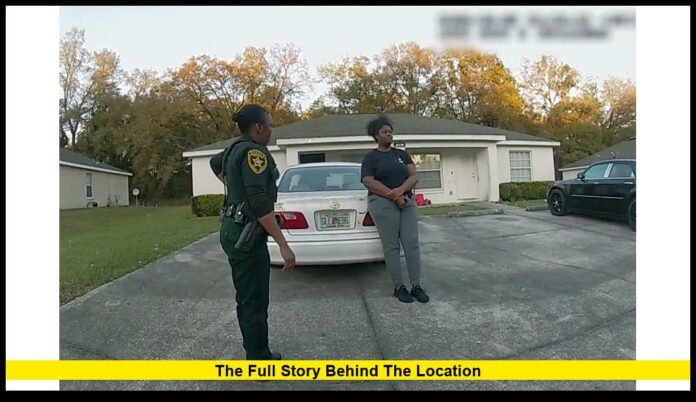

When asking what state was The Perfect Neighbor filmed in, the short answer is Florida. The documentary was filmed on location in and around Ocala, in Marion County, Florida — the same community where the tragic events took place. This choice deeply informs the film’s atmosphere, themes and realism.
Setting the Scene: Florida Grounds the Story
From its opening frames, The Perfect Neighbor immerses viewers in suburban Florida: palm trees line quiet streets, neighbors wave hello and children play near driveways. Yet this setting masks a growing tension that will culminate in tragedy. Filming in Florida allows the documentary to anchor its narrative in the exact geography of the incident — and that decision pays off.
The film details how a dispute between neighbors in a Florida subdivision escalated into fatal violence. By shooting in the state where it all happened, the filmmakers capture both the environment and the emotional weight of the place.
Why Florida Was the Natural Choice for Production
There are several compelling reasons why The Perfect Neighbor chose to film in Florida:
- Authenticity: The events unfolded in Florida. Filming elsewhere would have required recreating homes, streets and police stations — a risk to realism.
- Legal Context: Florida’s “Stand Your Ground” laws and local justice system are part of the story. The setting isn’t just backdrop — it influences how the narrative plays out.
- Cultural Texture: Florida’s suburban and semi-rural neighborhoods, its heat and humidity, its mix of residents — all of these add texture. They help the viewer understand how this dispute felt like any neighborhood fight — until it wasn’t.
- Community Access: Being on-site meant the crew could engage with residents, local law enforcement and real witnesses. That on-the-ground access adds depth.
By filming in Florida rather than staging elsewhere, the documentary gains a lived-in feel. You sense the local history, the climate and the everyday rhythms that became part of the story.
Filming in Specific Florida Locations
In its Florida setting, The Perfect Neighbor explores multiple real locations:
- Residential Streets in Ocala: Where the initial feud unfolded between the neighbors. You’ll see the actual neighborhoods, driveways and lawns.
- Marion County Courthouse and Law Enforcement Clinics: Legal proceedings and community responses were filmed nearby to maintain regional accuracy.
- Community Spaces: Local parks, memorial sites and gathering places in the Florida region help tell how the community reacted and healed.
- Police Body-Cam Footage from Marion County: Rather than recreating scenes, the film uses actual body-cam and 911 call recordings from law enforcement in Florida.
- Nearby Florida Cities for Supporting Filming: Some interviews and supporting footage were captured in nearby Gainesville and Orlando, providing regional context without losing the central Florida feel.
All of these elements reinforce the film’s commitment to the specific state where it all took place — Florida.
How the Florida Setting Deepens the Documentary’s Themes
The state of Florida isn’t just a setting — it becomes an active part of the story in The Perfect Neighbor. Here’s how:
- Legal Framework: Florida’s “Stand Your Ground” law is central to the narrative. Because the incident occurred in Florida, the documentary can directly engage with how state law shaped the case.
- Social Dynamics: Florida’s neighborhoods are often diverse yet closely knit. The film uses this to show how neighbor conflicts can escalate when issues of race, property and fear intertwine.
- Visual Contrast: The sun-drenched Florida suburbs feel peaceful — which makes the breakdown in community all the more striking. This contrast helps the documentary underscore how tragedy can unfold in seemingly calm places.
- Local Voice: Because it was filmed in Florida, local residents, investigators and the affected family speak with authenticity. Their accents, their experiences, their familiarity with Florida law give the film credibility.
Thus, the Florida location isn’t incidental. It anchors the narrative in real-world geography, law and community.
Production Choices Reflect the Florida Root
The production of The Perfect Neighbor made deliberate choices tied to filming in Florida:
- Use of Real-Time Footage: The documentary relies heavily on police body-cam footage from Florida law enforcement. Instead of reenactments, you see the actual streets, the real officers and the environment as it was.
- Minimal Voice-Overs: By filming on location in Florida and staying close to the source materials, the filmmakers opted for less narration and more direct presentation of events — letting the Florida setting speak for itself.
- Engagement with Local Community: Filmmakers interviewed neighbors, lawmakers and community members in Florida. Their inclusion adds layers that you wouldn’t get if the documentary filmed elsewhere.
- Cinematic Realism: Florida’s environment — humid air, palm shadows, warm evening light — becomes part of the documentarian toolkit. You don’t just watch a story; you feel the place.
These elements combine to make the Florida location more than background; it becomes foundational to the viewer’s experience.
Audience Reactions: Florida Resonates
Viewers who have seen The Perfect Neighbor comment frequently on how the setting influences their reaction:
- Many say the Florida setting made the tragedy feel closer to home. Suburbia in Florida looks familiar, and that familiarity heightens the impact.
- Florida residents recognize the homes, the layout, the vegetation — and that recognition adds emotional weight.
- Critics point out that by filming in Florida, the documentary avoids detached “true-crime entertainment” modes and instead becomes a grounded examination of real lives in a real place.
In short, the decision to film in the state of Florida paid off in terms of audience engagement and emotional effect.
Why the Question “What State Was The Perfect Neighbor Filmed In” Matters
At first glance the question seems simple. But in truth, knowing the state helps viewers understand:
- The legal context: Florida’s laws matter in the story.
- The cultural setting: Florida’s neighborhood and climate inform the tone.
- The production authenticity: Filming in Florida means you’re seeing the actual places, not simulations.
- The broader commentary: The film uses Florida to reflect on American issues like race, property, neighborhood conflict and gun laws.
By asking what state was the film made in, you’re asking where the truth took place — and film doesn’t abstract that.
Final Thoughts
If you’ve asked what state was The Perfect Neighbor filmed in, now you know: Florida. Filmed primarily in and around Ocala, Marion County, the documentary uses its location as a lens through which to view conflict, justice and community in America.
Florida did more than host a film — it hosted a story of neighbors, neighborhood tensions and legal consequences. Through filming in the same state where the events occurred, the documentary honors both the victims and the reality of the setting.
Have you watched The Perfect Neighbor? How did the Florida setting affect your perception of the story? Drop your thoughts below — we’d love to hear your take on how place influences perspective.