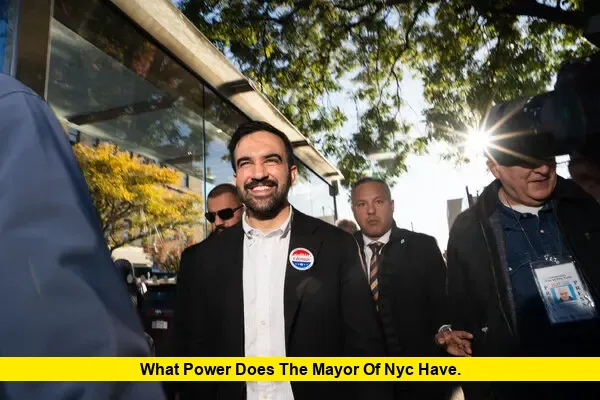

In 2025, as New York City prepares for another mayoral transition, the question “what power does the mayor of NYC have” is once again at the center of public conversation. The mayor of New York City is often described as the most powerful municipal leader in the United States. Yet, while the office carries enormous executive authority, it also operates within a framework of checks and balances defined by law, city agencies, and the City Council.
The Executive Role of the Mayor of New York City
The mayor serves as the chief executive officer of New York City, overseeing all city agencies, departments, and public services. Under the city charter, the mayor is responsible for ensuring that laws are faithfully executed and that city operations run efficiently. This includes supervising departments such as sanitation, police, fire, transportation, housing, and education.
The mayor’s executive authority allows them to:
- Directly manage or delegate control over more than 40 city agencies.
- Create, reorganize, or abolish certain administrative offices.
- Issue executive orders that define how city departments must carry out their responsibilities.
In essence, the mayor acts as the CEO of a municipal government that serves over 8 million residents and operates with a budget exceeding $115 billion.
Budgetary Power and Financial Oversight
One of the most significant powers the mayor of New York City holds is control over the budget. Every year, the mayor proposes the city’s expense and capital budgets, which determine how public funds are spent. The budget process typically begins in January and involves:
- Submitting a preliminary budget to the City Council.
- Holding public hearings and negotiations with the Council.
- Finalizing and adopting the budget by June for the upcoming fiscal year.
This authority gives the mayor influence over nearly every policy area — from policing and education to infrastructure and housing. The ability to allocate or withhold funding from agencies or programs makes the mayor’s fiscal power a cornerstone of their political strength.
However, the City Council must approve the final budget, creating an essential balance between the executive and legislative branches.
Appointment and Removal Authority
The mayor’s power to appoint and remove officials is another key element of control. The mayor appoints the heads of major departments, such as:
- The Police Commissioner
- The Fire Commissioner
- The Chancellor of the Department of Education
- The Commissioner of Sanitation
- The Commissioners of Housing and Transportation
Additionally, the mayor appoints members of city boards and commissions, such as the City Planning Commission and the Taxi and Limousine Commission.
In many cases, the mayor’s appointees serve “at the pleasure of the mayor,” meaning they can be dismissed at any time. This gives the mayor the flexibility to shape city policy through leadership appointments aligned with their vision.
Legislative Influence and Veto Power
Although the City Council passes local laws, the mayor has strong influence over the legislative process. The mayor can:
- Introduce legislation through council allies.
- Approve or veto bills passed by the City Council.
If the mayor vetoes a bill, the City Council can override the veto only with a two-thirds majority vote. This makes the veto a powerful tool that can block unwanted legislation or compel negotiation.
The mayor also signs most city laws, a symbolic and practical affirmation of executive power in local governance.
Control Over Public Safety and City Services
The mayor oversees the New York Police Department (NYPD), Fire Department (FDNY), and Department of Emergency Management, all of which play vital roles in maintaining the city’s safety and emergency readiness.
The mayor appoints the Police Commissioner, who implements law enforcement policies, manages department leadership, and ensures community safety. Similarly, the mayor oversees the Fire Commissioner, responsible for firefighting and emergency medical services.
Through these agencies, the mayor can influence policies related to crime prevention, public order, and crisis response.
Land Use, Development, and Infrastructure Power
Land use and city planning are other areas where the mayor holds significant sway. The mayor appoints members of the City Planning Commission, which reviews zoning changes, major real estate developments, and infrastructure projects.
While final approval of land-use changes involves both the City Council and community boards, the mayor’s recommendations often carry decisive weight.
In addition, the mayor oversees major infrastructure initiatives such as:
- Public housing projects and affordable housing programs.
- Street and transportation improvements.
- Environmental and sustainability policies, including climate adaptation efforts.
These powers allow the mayor to shape the physical and economic landscape of New York City.
Checks and Limitations on Mayoral Power
Despite the mayor’s strong executive powers, several structural and legal constraints ensure accountability:
- City Council Oversight: The Council can hold hearings, investigate city agencies, and override mayoral vetoes.
- State Government Authority: Some areas — such as the Metropolitan Transportation Authority (MTA), public education standards, and tax laws — fall under state jurisdiction.
- Judicial Review: Courts can overturn executive actions that violate laws or exceed the mayor’s legal authority.
- Public Accountability: Voters can remove the mayor at the ballot box every four years, and public opinion often limits the mayor’s political freedom.
These checks ensure that even in a “strong-mayor” system, power remains balanced and transparent.
Modern Challenges for the Office
In recent years, the mayor’s authority has been tested by complex issues such as housing shortages, budget deficits, and public safety concerns. Managing relationships with the City Council and the governor has become as critical as managing the city itself.
The incoming mayor in 2026 will face a political environment that demands collaboration as much as command. From fiscal responsibility to housing reform, each major decision will highlight both the reach and the limits of the office.
Summary: What Power Does the Mayor of NYC Have
The mayor of New York City possesses broad executive powers — overseeing city agencies, managing a vast budget, appointing key leaders, and shaping policy through both direct orders and legislative influence. However, these powers exist within a framework that includes the City Council, state government, and the courts.
In a city as large and complex as New York, the mayor’s authority is immense but never absolute. The office remains a delicate balance between leadership, negotiation, and accountability — one that continues to define the city’s political identity.
The mayor’s power reflects the heartbeat of the city itself — strong, visible, and always under the watchful eyes of millions of New Yorkers.