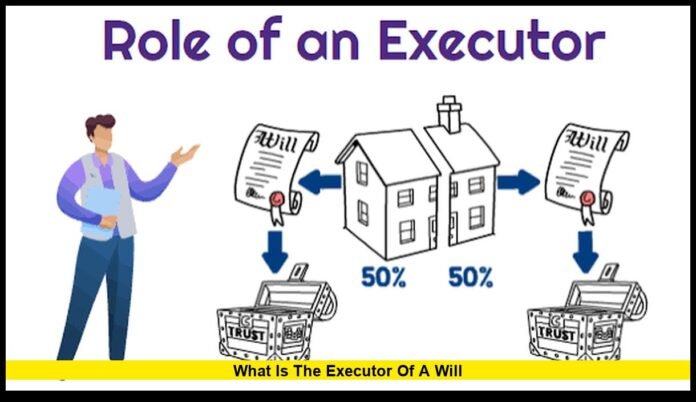

Understanding what is the executor of a will is an important part of estate planning in the United States. An executor is the person designated in a will to manage the deceased person’s estate, handle financial and legal obligations, and distribute the remaining assets according to the will and applicable law.
The executor’s responsibilities can include locating bank accounts, protecting property, reviewing outstanding debts, communicating with beneficiaries, preparing required tax returns, and completing probate procedures. The amount of work involved depends on the size of the estate, the types of assets it contains, and whether legal disputes arise.
Being named as an executor does not automatically make someone the owner of the deceased person’s property. Instead, the executor acts as a representative responsible for administering the estate properly. The role requires honesty, careful recordkeeping, and compliance with state laws.
Although a spouse, adult child, sibling, or trusted friend is often selected for this responsibility, the right choice depends on the person’s ability and willingness to manage the estate. Understanding the executor’s legal duties can help families make informed decisions and avoid unnecessary complications during an already difficult time.
What Is the Executor of a Will?
An executor is the individual named in a person’s last will and testament to carry out the instructions in that document after the person’s death. The person who dies is known as the decedent, and the property and financial interests being administered are generally referred to as the estate.
The executor is responsible for identifying the estate’s assets, protecting them, addressing valid debts and expenses, handling applicable tax requirements, and distributing property to the appropriate beneficiaries.
For example, a person may leave a home to one child, savings to another child, and a charitable donation to a nonprofit organization. The executor must review the will, determine which assets are subject to estate administration, satisfy the applicable obligations, and arrange the distributions according to the legal instructions.
The executor cannot simply divide the property based on personal preferences or family requests. The will and applicable law determine how the estate should be handled.
In many situations, the executor must receive formal authorization from a probate court before exercising full authority over estate assets. Depending on the jurisdiction, the court may issue letters testamentary or similar documents confirming the appointment.
Not every asset necessarily passes through probate. Certain jointly owned property, accounts with valid beneficiary designations, and assets held in some trusts may transfer under separate arrangements.
What Are the Main Duties of an Executor?
An executor coordinates the legal, financial, and administrative work required to settle an estate. The precise responsibilities vary by state and depend on the will, the assets involved, and the estate’s outstanding obligations.
1. Locate the Will and Begin Probate
The first step is usually to locate the deceased person’s will and determine whether probate proceedings are necessary.
The executor may need to contact the deceased person’s attorney, search personal records, locate the original will, and identify any amendments that affect its instructions.
When probate is required, the executor or their attorney generally files the necessary documents with the appropriate court. The filing may include a petition for probate, a death certificate, and information about the deceased person and the estate.
Probate is the legal process used to establish a will’s validity when required and oversee the administration of an estate.
Some estates qualify for simplified procedures, while others require more extensive court supervision. The executor must follow the procedures and deadlines that apply in the relevant state.
2. Identify and Protect Estate Property
An executor must determine which assets belong to the estate and take reasonable steps to protect them.
These assets may include bank accounts, investment holdings, real estate, vehicles, jewelry, business interests, and valuable personal belongings. Money owed to the deceased person may also need to be collected.
The executor may contact financial institutions, insurance companies, property managers, and business partners to identify the assets and determine how they should be handled.
Protecting property is equally important. An unoccupied home may need maintenance, insurance, and security. Vehicles and valuable belongings may require safe storage, while financial accounts must be protected against unauthorized access.
The executor should maintain an inventory of the assets and retain supporting documents. Professional appraisals may be necessary when the estate contains real estate, business interests, artwork, or other property that requires specialized valuation.
3. Notify Beneficiaries and Creditors
The executor may be required to notify beneficiaries, heirs, creditors, and other interested parties about the estate.
Beneficiaries are individuals or organizations entitled to receive property under the will or another legal arrangement. Heirs are generally people who may inherit under state intestacy laws when a person dies without a valid will, although the precise definitions vary.
The executor must comply with applicable notice requirements. Depending on the circumstances, this may involve sending formal notifications, publishing notices to creditors, and responding to requests for information.
Financial institutions may also require proof of the executor’s appointment before providing account information or allowing certain transactions.
Clear communication can help beneficiaries understand the administration process and reduce misunderstandings about when distributions may occur. The executor should provide appropriate updates while protecting confidential financial information.
4. Prepare an Estate Inventory
An estate inventory records the property being administered and its estimated value.
The inventory may include real estate, financial accounts, investments, vehicles, business interests, personal property, and other assets that belong to the estate.
Depending on state law, the executor may have to file an inventory with the probate court or provide information to interested parties.
Accurate valuations can be especially important when the estate contains property that must be sold or divided among multiple beneficiaries. The executor should preserve account statements, appraisal reports, ownership records, and other supporting documents.
Maintaining an accurate inventory helps establish the estate’s financial position and makes it easier to determine whether sufficient funds are available to pay obligations before distributing assets.
5. Pay Valid Debts and Expenses
An executor must address legitimate debts and expenses associated with the deceased person and the administration of the estate.
These obligations may include outstanding medical bills, credit card balances, mortgage payments, property taxes, insurance premiums, funeral expenses, and reasonable administrative costs.
However, not every claim should be paid automatically. Creditors may be required to submit claims within specific time limits, and the executor must follow the applicable procedures for evaluating them.
State law determines the priority in which different obligations are paid. This becomes particularly important when the estate does not have enough money to cover every debt.
In general, an executor does not automatically become personally responsible for the deceased person’s debts. However, personal liability may arise in certain circumstances, including improper distributions, breaches of fiduciary duties, or failure to meet specific legal obligations.
If the estate’s assets are insufficient to cover its liabilities, the executor should seek legal guidance before paying creditors or distributing property.
6. Handle Estate Taxes and Required Returns
Tax responsibilities are an important part of estate administration.
The deceased person’s final individual income tax return may need to be filed for the year of death. Additional returns may be necessary if earlier tax filings remain outstanding.
An estate may also earn income after the person’s death. Rental income, interest, dividends, and business earnings may create separate tax obligations.
Depending on the circumstances, the executor may need to obtain an employer identification number for the estate and determine whether a federal fiduciary income tax return is required.
Federal estate tax is different from individual income tax. For individuals who die in 2026, the federal basic estate tax exclusion amount is $15 million, subject to applicable rules. Some estates may have filing obligations even when no federal estate tax is ultimately due.
State estate taxes and inheritance taxes may have different thresholds. Executors should not assume that an estate is exempt from all taxes merely because it falls below the federal exclusion amount.
A qualified tax professional or estate attorney can help identify applicable filing requirements and deadlines.
7. Manage or Sell Estate Assets
An executor may need to maintain property, manage investments, or sell assets to complete the administration process.
For example, a home may need to be sold to pay legitimate estate expenses, or a business interest may require temporary oversight while the estate is being settled.
The executor must have the necessary authority to complete a sale. Depending on the will and state law, court approval or other legal procedures may be required.
The executor should make decisions based on the estate’s needs and the deceased person’s instructions rather than personal financial interests.
All significant transactions should be documented, including the sale price, transaction costs, and how the proceeds are used.
8. Distribute Assets to Beneficiaries
Distributing the remaining property is one of the final stages of estate administration.
Before making distributions, the executor generally needs to determine which obligations remain, pay appropriate expenses, address tax requirements, and comply with applicable court procedures.
The will may leave specific assets to named beneficiaries or direct that the remaining estate be divided according to stated percentages.
The executor must follow legally effective instructions rather than substitute personal preferences for the deceased person’s wishes.
If a provision is unclear or a beneficiary disputes the distribution, legal advice or a court decision may be necessary before proceeding.
The executor should document distributions through receipts, transfer records, deeds, account statements, and other appropriate paperwork.
9. Complete the Final Accounting and Close the Estate
The executor should maintain accurate records throughout the administration process.
These records may include money received, debts paid, property sold, tax payments, professional fees, and distributions to beneficiaries.
Depending on state law, a formal accounting may need to be submitted to the probate court or provided to interested parties.
Once the estate’s obligations have been addressed, the executor can complete the required closing procedures. These may include filing final documents and requesting a discharge from the court when applicable.
An estate should not be considered fully settled simply because the main assets have been distributed. Outstanding claims, tax matters, and court requirements may still need attention.
Who Can Be an Executor of a Will?
The person creating a will generally chooses someone they trust to serve as executor. Common choices include a spouse, adult child, sibling, close friend, or another responsible individual.
Where permitted by law, a bank, trust company, or professional fiduciary may also serve.
The best candidate is not necessarily the oldest family member or the person who will inherit the largest share. The role requires organization, sound judgment, reliability, and a willingness to manage legal and financial responsibilities.
A suitable executor should be able to:
- Maintain accurate financial records.
- Communicate professionally with beneficiaries.
- Follow legal deadlines and court procedures.
- Protect confidential financial information.
- Make responsible decisions about estate property.
- Handle disagreements fairly.
- Obtain professional assistance when necessary.
It is sensible to ask a proposed executor whether they are willing to serve. Naming someone in a will does not guarantee that the person will accept the appointment when the time comes.
Can a Family Member Be an Executor?
Yes. Family members commonly serve as executors in the United States, subject to state eligibility requirements.
A surviving spouse or adult child may be a practical choice because they may already understand the family’s circumstances and know where important documents are located.
However, being a relative does not eliminate the need to follow legal procedures. An executor who is also a beneficiary must still administer the estate responsibly and respect the rights of other beneficiaries.
Can a Lawyer Be an Executor?
A lawyer may serve as an executor if permitted by applicable law and if the appointment is appropriate. Alternatively, an executor may hire an attorney for legal assistance without appointing that attorney to administer the estate.
Some families prefer a trusted relative to serve as executor with professional support. Others may consider a professional fiduciary or corporate institution when an estate has complex financial arrangements or a significant risk of disputes.
The appropriate arrangement depends on the estate’s needs, costs, and applicable legal requirements.
How Is an Executor Officially Appointed?
Being named in a will does not always give someone immediate authority to manage every estate asset. Formal appointment procedures may be required.
Step 1: Locate the Original Will
The nominated executor should locate the original will and identify any amendments or related estate planning documents.
These documents may be held by an attorney or stored with personal records. Questions about competing wills or the validity of a document may require court review.
Step 2: Submit the Required Court Documents
The nominated executor or their attorney generally submits the will and the necessary petition or application to the appropriate probate court.
The court may require information about the deceased person, the nominated executor, beneficiaries, heirs, and the estimated value of the estate.
Notice to interested parties may also be necessary, depending on state law.
Step 3: Obtain Formal Authority
If the appointment is approved, the court may issue letters testamentary or comparable documentation confirming the executor’s authority.
Banks and other institutions may require these documents before allowing the executor to manage estate accounts or transfer assets.
The executor must still comply with any restrictions in the will, court orders, and applicable law.
Step 4: Begin Administering the Estate
Once the necessary authority has been obtained, the executor can proceed with asset identification, financial recordkeeping, creditor notices, tax matters, and other administrative responsibilities.
A nominated executor should not assume that the appointment gives them unrestricted authority to access accounts or transfer property before the required procedures are completed.
What Is the Difference Between an Executor and an Administrator?
An executor is generally nominated in a will, while an administrator is usually appointed by a court when there is no valid will or no available executor.
Some states use the term personal representative as a general designation for the individual responsible for administering an estate.
| Feature | Executor | Administrator |
|---|---|---|
| Appointment | Generally nominated in a will | Generally appointed by a court |
| Common circumstances | A valid will names an executor | No valid will or no available executor |
| Main responsibility | Administers the estate under the will and applicable law | Administers the estate under applicable law and court instructions |
| Distribution of property | Generally follows the valid will | Generally follows state inheritance law |
When a person dies without a valid will, state intestacy laws generally determine who inherits probate property.
An administrator performs many of the same practical duties as an executor, including identifying assets, paying valid claims, addressing tax obligations, and distributing the remaining property.
What Is the Difference Between an Executor and a Trustee?
An executor administers a deceased person’s estate, while a trustee manages property held in a trust.
A trust may be established during someone’s lifetime or created under the terms of a will. The trustee must follow the trust agreement and applicable law.
For example, a will may direct that part of an estate be transferred into a trust for a child. The executor may arrange the transfer, while the trustee manages the assets according to the trust’s terms.
One person may serve as both executor and trustee if the appointments are valid and the individual meets the applicable requirements.
The responsibilities remain distinct. An executor’s role often concludes after the estate has been administered, while a trustee may continue managing assets for years.
What Is the Difference Between an Executor and a Beneficiary?
A beneficiary is a person or organization entitled to receive property under a will or another legal arrangement. An executor is responsible for administering the estate.
The same person can serve in both roles.
For example, a parent may name one adult child as executor and leave that child part of the estate. The child must still follow the will’s instructions concerning every beneficiary.
An executor does not automatically inherit property merely because they hold the position. Any inheritance generally comes from the will or another legal arrangement.
The executor must also distinguish personal interests from responsibilities owed to the estate and its beneficiaries.
Can an Executor Change the Terms of a Will?
An executor generally cannot rewrite a valid will simply because they disagree with its instructions or believe a different distribution would be fairer.
The executor’s responsibility is to administer the estate according to the will and applicable law.
For example, if a valid will leaves a property to one beneficiary, the executor ordinarily cannot transfer it to someone else simply because the other person needs financial assistance.
Legal questions can arise when a will contains ambiguous language, a beneficiary dies before the person who made the will, or a court determines that a provision is invalid.
Certain changes may be possible through legally recognized agreements or court procedures, depending on the circumstances. These are not unrestricted powers that an executor can exercise independently.
When uncertainty arises, the executor should seek legal advice before making decisions that could affect beneficiaries’ rights.
Can an Executor Sell a House Without Beneficiaries’ Permission?
Whether an executor can sell a house without beneficiary consent depends on the will, state law, the probate process, and the property’s ownership arrangements.
Some executors have authority to sell estate real estate when necessary. Other situations may require court approval, beneficiary consent, or additional legal procedures.
If the will directs that a house be sold and the proceeds divided among beneficiaries, the executor may need to arrange the sale as part of administering the estate.
If the will leaves the property directly to a named beneficiary, the executor must consider those instructions and the applicable legal requirements.
Selling a house to pay legitimate estate expenses may be appropriate when the executor has the necessary authority. However, the transaction must be handled responsibly and documented properly.
Before proceeding, the executor should review ownership records, mortgages, trust documents, and relevant court orders.
Does an Executor Have to Follow Every Family Request?
An executor must follow legally effective instructions and applicable law rather than every informal request made by relatives.
Family members may disagree about personal belongings, property sales, or the timing of distributions. The executor should consider relevant legal documents and communicate respectfully, but cannot necessarily satisfy every request.
A relative does not automatically have a right to receive a particular asset simply because they expected to inherit it. Likewise, an executor cannot disregard a beneficiary’s legal rights because of a personal disagreement.
When disputes arise, the executor should maintain records, avoid favoritism, and obtain legal advice when necessary. A court may need to resolve disagreements about the meaning or validity of the will.
How Much Does an Executor Get Paid?
An executor may be entitled to compensation for administering an estate, but payment is not automatic in every case.
Compensation depends on the will, state law, the estate’s complexity, and any applicable court requirements. Some executors choose to serve without compensation, particularly when they are close relatives or beneficiaries.
Depending on the jurisdiction, compensation may be calculated using a statutory percentage, an hourly rate, a reasonable-fee standard, or another legally permitted method.
Factors that may affect the amount include the estate’s size, the time required to administer it, the number and type of assets, the extent of disputes, and the responsibilities performed.
An executor should review the applicable rules before paying themselves from estate funds. Court approval or additional documentation may be required.
Executor compensation should also be distinguished from reimbursement for legitimate expenses incurred while administering the estate. The tax treatment depends on the nature of the payment and the applicable rules.
Can an Executor Refuse to Serve?
Yes. A person named as executor can generally decline the appointment, subject to the applicable state procedures and the circumstances of the probate case.
The responsibilities may be time-consuming, particularly when the estate involves substantial assets, complicated finances, or family disagreements.
If the nominated executor declines, the will may identify an alternate executor who can be considered for appointment. If no alternate is available, the probate court may appoint another qualified person under state law.
Someone who has already accepted the appointment or begun acting in an official capacity may need to follow additional procedures to withdraw.
A nominated executor should obtain legal guidance about the appropriate process rather than simply abandoning the estate.
Can an Executor Be Removed From the Role?
A probate court may remove an executor when legally sufficient grounds exist. The standards and procedures vary by state.
A beneficiary’s disagreement with the executor does not automatically justify removal. However, serious misconduct or failure to perform required duties may lead to court intervention.
Potential grounds for removal may include misusing estate assets, failing to provide an accounting when required, repeatedly ignoring court orders, or becoming unable to carry out the responsibilities of the position.
A beneficiary who believes an executor has acted improperly should document the concerns and seek legal advice.
Depending on the circumstances, a court may require an accounting, order corrective action, restrict certain transactions, or appoint a replacement.
What Happens if an Executor Misuses Estate Money?
An executor must handle estate funds responsibly and use them only for authorized purposes.
Using estate money to pay personal expenses, concealing transactions, or transferring property without legal authority may violate the executor’s duties.
Estate funds should generally be kept separate from personal finances, and significant transactions should be supported by clear records.
If misuse is suspected, interested parties may have legal options that include requesting an accounting, seeking the executor’s removal, or pursuing recovery of improperly transferred property.
Serious misconduct may expose an executor to personal financial liability and, in certain circumstances, civil or criminal consequences.
However, an unexplained transaction does not automatically establish wrongdoing. Legitimate estate expenses, authorized compensation, and documented reimbursements may also appear in the estate’s financial records.
Is an Executor Personally Responsible for the Deceased Person’s Debts?
Generally, an executor does not automatically become personally responsible for the deceased person’s debts merely by accepting the appointment.
Valid debts are ordinarily addressed using estate assets, subject to the applicable rules governing creditor claims and payment priorities.
For example, an executor generally does not have to pay the deceased person’s credit card balance from personal savings simply because they are administering the estate.
However, personal liability may arise in certain situations, including improper distributions, breaches of fiduciary duties, or failure to comply with specific legal obligations.
An executor may also have independent responsibility for a debt if they were already legally obligated to pay it, such as under a valid joint account agreement or personal guarantee.
Executors should identify outstanding obligations, evaluate creditor claims, and obtain legal advice if the estate lacks sufficient funds to pay its debts.
How Long Does It Take to Settle an Estate?
The time required to settle an estate varies significantly. A relatively simple estate may be administered within several months, while a complicated estate can take years.
There is no single nationwide deadline that applies to every estate.
The timeline depends on factors such as the probate court’s procedures, the number of assets, creditor claim periods, tax obligations, property sales, and disputes among beneficiaries.
An estate with limited assets and no disagreements may be completed relatively quickly. An estate involving multiple properties, business interests, litigation, or complex tax matters may require substantially more time.
State law may establish deadlines for notices, inventories, accountings, and other filings. The executor must comply with the applicable requirements even if the estate cannot be closed immediately.
Keeping accurate records and communicating with beneficiaries can help prevent avoidable delays. However, distributions should not be rushed if doing so could leave debts or legal obligations unresolved.
What Happens if Someone Dies Without Naming an Executor?
If a person dies without a valid will, or if the will does not provide an available executor, the probate court may appoint an administrator or another type of personal representative.
The appointment process depends on state law, the available family members, and the circumstances of the estate.
A surviving spouse, adult child, or another eligible person may be considered for appointment, but the rules differ among jurisdictions.
When someone dies without a valid will, state intestacy laws generally determine who inherits probate property. Relatives cannot automatically divide the estate among themselves without considering the applicable legal requirements.
Once appointed, an administrator generally performs many of the same duties as an executor, including identifying assets, addressing valid claims, handling tax obligations, and distributing remaining property.
What Should You Do if You Have Been Named as an Executor?
Being named as an executor can feel overwhelming, especially when you are grieving and have never administered an estate before. An organized approach can make the process more manageable.
1. Locate the estate planning documents. Find the original will, amendments, trust documents, and important financial records.
2. Identify the appropriate probate court. Determine where the estate must be administered and whether probate is necessary.
3. Obtain legal guidance when needed. An estate attorney can explain appointment procedures, deadlines, and the limits of your authority.
4. Protect estate property. Take reasonable steps to secure real estate, vehicles, valuables, and important documents.
5. Prepare a financial inventory. Identify assets, debts, income, insurance arrangements, and potential tax obligations.
6. Establish appropriate financial arrangements. Follow the required procedures for managing estate money and avoid mixing estate funds with personal finances.
7. Review creditor claims. Determine which debts are valid and follow applicable payment priorities.
8. Meet tax and court deadlines. Keep track of required filings, notices, inventories, and accountings.
9. Communicate with beneficiaries. Provide required notices and reasonable updates while respecting confidentiality.
10. Document significant transactions. Keep receipts, account statements, contracts, valuation reports, and distribution records.
These steps provide a general starting point. The exact requirements depend on the state where the estate is administered and the circumstances involved.
Latest Updates on Executor Responsibilities in 2026
The fundamental role of an executor remains focused on administering a deceased person’s estate according to the will and applicable law. However, tax thresholds, filing requirements, and state probate procedures can change.
For individuals who die in 2026, the federal basic estate tax exclusion amount is $15 million, subject to applicable rules. This amount is relevant when assessing potential federal estate tax obligations, but additional filing requirements and exceptions may apply.
Executors should distinguish federal estate tax from individual income tax returns and income taxes that may arise from an estate after death. These are separate obligations and may have different deadlines.
State law remains important when determining executor compensation, probate court procedures, creditor notices, property transfers, and final accountings.
Digital records may also be relevant to estate administration. Online financial accounts, electronically stored documents, and certain digital assets may need to be identified and handled according to applicable law, ownership arrangements, and account agreements.
There is no single nationwide probate procedure that applies identically to every estate. Executors should verify the current requirements for the relevant jurisdiction before making significant decisions or distributing property.
Why Choosing the Right Executor Matters
Selecting an executor is an important part of estate planning because this person will be responsible for carrying out essential legal and financial tasks after the will’s creator dies.
A capable executor can help protect property, organize financial records, address outstanding obligations, and ensure that beneficiaries receive their inheritances through the appropriate process.
The decision should be based on more than family relationships. A suitable candidate should be dependable, organized, willing to serve, and capable of handling confidential financial information.
Naming an alternate executor can also be helpful if the first choice cannot serve. Estate planning documents should be reviewed when family circumstances, financial arrangements, or personal preferences change.
For complicated estates, a professional fiduciary or corporate institution may be worth considering if the arrangement is appropriate and permitted by law.
Choosing the right executor cannot eliminate every possible dispute, but it can establish a stronger foundation for responsible estate administration.
Final Thoughts on What Is the Executor of a Will
Understanding what is the executor of a will helps clarify an important part of estate planning and probate. An executor is the person nominated to administer a deceased person’s estate, protect its assets, address valid debts and tax obligations, comply with legal procedures, and distribute the remaining property according to the will and applicable law.
The role involves more than passing money or possessions to family members. It requires careful recordkeeping, responsible financial management, timely communication, and compliance with court requirements. Executors must also recognize that their authority has limits and that professional assistance may be necessary when complicated legal or tax issues arise.
For anyone preparing a will, choosing a trustworthy and capable executor is an important planning decision. For someone who has already been named, understanding the applicable probate rules and organizing the estate’s records can make the process more manageable.
Because probate laws and tax requirements vary, executors should confirm the rules that apply to their particular estate before making significant decisions or distributing assets.
Have you served as an executor or are you preparing your estate plan? Share your experience in the comments and stay updated on important estate planning and probate developments.