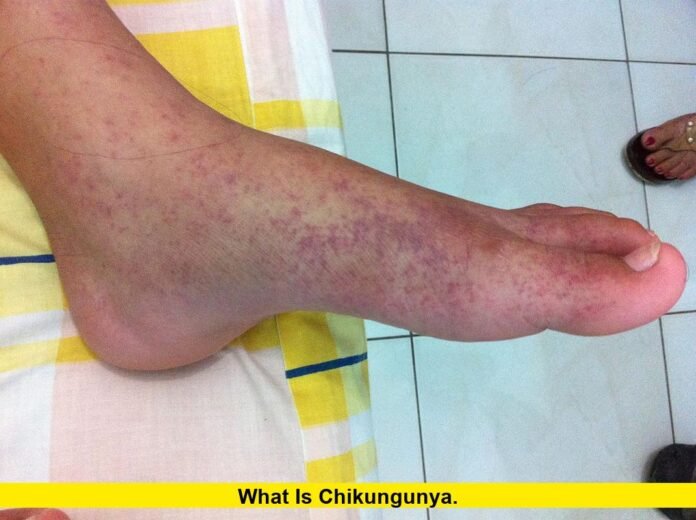

Chikungunya is a mosquito-borne viral disease caused by the chikungunya virus (CHIKV). It spreads primarily through the bite of infected Aedes mosquitoes, especially Aedes aegypti and Aedes albopictus. These mosquitoes are aggressive daytime biters and are commonly found in tropical, subtropical, and some temperate regions around the world.
The name “chikungunya” comes from a word in the Kimakonde language of Tanzania, meaning “to become contorted,” referring to the stooped posture of patients suffering from intense joint pain.
How Is Chikungunya Transmitted?
Chikungunya spreads when a mosquito bites a person infected with the virus and then transmits it to another person. It is not spread directly from person to person through casual contact.
Key Transmission Facts:
- Spread by Aedes aegypti and Aedes albopictus mosquitoes
- Mosquitoes bite mostly during the day
- Outbreaks are more common in warm, humid climates
- Rarely, transmission can occur from mother to newborn around the time of birth
Because the mosquitoes breed in standing water—such as flower pots, buckets, and discarded containers—urban areas are particularly vulnerable during rainy seasons.
Symptoms of Chikungunya
Symptoms usually appear 3 to 7 days after being bitten by an infected mosquito.
Most Common Symptoms:
- High fever
- Severe joint pain (often in hands, wrists, ankles, and feet)
- Muscle aches
- Headache
- Fatigue
- Rash
The joint pain can be intense and debilitating, sometimes making it difficult to walk or perform daily activities. In many cases, symptoms improve within one to two weeks.
How Severe Is Chikungunya?
Chikungunya is rarely fatal, but it can be extremely uncomfortable. Certain groups face a higher risk of complications:
- Older adults
- Newborns infected around birth
- Individuals with underlying health conditions such as diabetes, heart disease, or weakened immune systems
In some cases, joint pain can persist for months or even years, leading to chronic arthritis-like symptoms.
Diagnosis
Doctors typically diagnose chikungunya based on:
- Symptoms
- Recent travel history to affected areas
- Blood tests to confirm the virus
Because symptoms resemble other mosquito-borne diseases like dengue or Zika, laboratory testing is important in outbreak settings.
Treatment Options
There is no specific antiviral treatment for chikungunya. Medical care focuses on relieving symptoms.
Recommended Care:
- Rest
- Drinking plenty of fluids
- Over-the-counter pain relievers (such as acetaminophen)
Doctors often advise avoiding certain medications like NSAIDs (e.g., ibuprofen) until dengue has been ruled out, since dengue can increase bleeding risk.
Most patients recover fully, though lingering joint pain may require follow-up care.
Prevention
Since there is no widely available specific cure, prevention is essential.
How to Protect Yourself:
- Use insect repellent containing DEET, picaridin, or oil of lemon eucalyptus
- Wear long-sleeved clothing
- Use mosquito nets or window screens
- Eliminate standing water around homes
- Stay indoors during peak mosquito activity when possible
Community-wide mosquito control programs also play an important role in reducing outbreaks.
Where Does Chikungunya Occur?
Chikungunya has been reported in:
- Africa
- Asia
- The Caribbean
- Central and South America
- Parts of the United States (mainly travel-related cases, with occasional local transmission in Florida and Texas)
Global travel has contributed to the spread of the virus into new regions over the past two decades.
Recovery and Long-Term Outlook
Most people recover within one to two weeks. However, about 30–40% of patients may experience prolonged joint pain. While frustrating, these symptoms usually improve over time with supportive care.
Final Thoughts
Chikungunya is a viral illness spread by daytime-biting mosquitoes that causes sudden fever and intense joint pain. While rarely life-threatening, it can significantly affect quality of life during recovery. Preventing mosquito bites remains the most effective defense against infection.