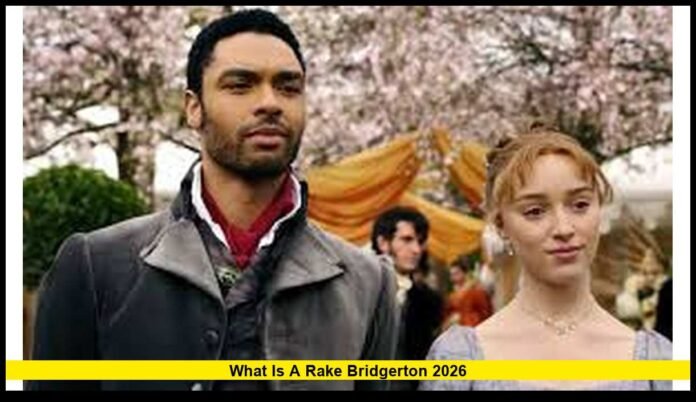

What is a rake Bridgerton is a question many U.S. viewers ask as the series continues to draw attention to the social rules and language of the Regency era. In Bridgerton, the word “rake” is not casual slang or exaggerated fiction. It is a historically grounded label used to describe a specific type of man whose behavior challenges the moral expectations of high society in early 19th-century England.
Understanding this term helps explain character motivations, social conflicts, and why reputation plays such a powerful role in the show’s storytelling.
The Original Meaning of a Rake in Regency Society
In Regency-era Britain, a “rake” was a man known for living outside accepted moral boundaries. The term came from “rakehell,” a word used to describe someone who lived recklessly, especially in matters of sex, gambling, and alcohol.
A rake was often:
- Wealthy or titled
- Socially powerful
- Sexually experienced and unapologetic
- Resistant to marriage and responsibility
This reputation followed him publicly and shaped how others treated him.
Why the Term Carried Real Social Weight
Being called a rake was not a harmless insult. In Regency society, reputation functioned as social currency. A man labeled a rake was seen as untrustworthy in matters of marriage and family life.
The label implied:
- Poor moral judgment
- Emotional unreliability
- Risk to a woman’s reputation
Even status and wealth could not fully erase the stigma.
How Bridgerton Uses the Term Rake
Bridgerton uses the term “rake” accurately and intentionally. Characters apply it to men whose behavior places them outside polite expectations, especially in romantic contexts.
Within the series, the word:
- Signals danger in courtship
- Shapes gossip and social standing
- Drives tension between desire and duty
The term influences how families judge potential matches.
Why Rakes Were Common in Aristocratic Circles
Many rakes came from the upper classes. Wealth and status allowed them freedom from consequences that ordinary men did not enjoy.
Social factors that enabled rakes included:
- Financial independence
- Male-dominated power structures
- Lenient judgment of male behavior
This imbalance is central to how the term functions in Bridgerton.
The Double Standard Between Men and Women
One of the most important aspects of the rake label is how unevenly morality was enforced. Men could survive scandal. Women rarely could.
For women, association with a rake could result in:
- Permanent damage to reputation
- Loss of marriage prospects
- Social isolation
The show reflects this reality accurately, highlighting the risk women faced.
Simon Basset and the Rake Reputation
Simon Basset, the Duke of Hastings, embodies the rake archetype early in the series. His reputation is built on avoidance of marriage, emotional distance, and a history of casual relationships.
Within society:
- Mothers view him as unsuitable
- Young women are warned away
- Gossip follows him closely
This reputation drives major plot conflicts in Season One.
Why Simon Is Both Feared and Desired
Rakes often inspired conflicting reactions. While families feared their influence, individuals found them attractive.
Simon’s appeal comes from:
- Confidence and charisma
- Wealth and title
- Emotional mystery
This combination makes the rake archetype effective for dramatic storytelling.
Rake Versus Gentleman: A Critical Distinction
Regency society placed great importance on the idea of a “gentleman.” While a rake could be titled, he was not considered respectable.
A gentleman was expected to:
- Protect women’s reputations
- Behave with restraint
- Seek marriage honorably
A rake rejected these expectations, intentionally or otherwise.
How Gossip Sustains the Rake Identity
In Bridgerton, gossip plays a central role in reinforcing reputations. Once a man is labeled a rake, the label is difficult to escape.
Gossip ensures:
- Past behavior defines present perception
- Redemption requires visible change
- Social judgment spreads quickly
This mirrors historical reality.
Why Rakes Were Popular in Regency Literature
The rake archetype existed long before Bridgerton. Regency novels often featured rakes as romantic leads who undergo transformation.
Common narrative traits include:
- Emotional resistance
- Moral conflict
- Redemption through love
The series draws heavily from this literary tradition.
Is a Rake Always a Villain in Bridgerton?
No. Bridgerton avoids presenting rakes as purely immoral figures. Instead, the label serves as a starting point for character development.
In many cases:
- The rake confronts personal trauma
- Emotional growth reshapes identity
- Commitment challenges old habits
This approach blends historical context with modern storytelling.
Marriage as the Ultimate Test for a Rake
In Regency society, marriage represented stability and moral reform. For a rake, marriage symbolized the end of reckless freedom.
Within the show:
- Marriage tests sincerity
- Society watches closely for change
- Reputation can improve, but slowly
This pressure creates emotional stakes.
Why Families Feared Rakes as Husbands
Parents in Bridgerton worry less about wealth and more about stability. A rake threatens both emotional safety and social standing.
Concerns include:
- Infidelity
- Emotional neglect
- Public scandal
These fears reflect genuine historical concerns.
The Role of Masculinity in the Rake Identity
Rakes often represented exaggerated masculinity. Independence, dominance, and sexual freedom defined their public image.
However, this identity:
- Discouraged vulnerability
- Rewarded emotional distance
- Conflicted with long-term intimacy
Bridgerton explores this tension through its male leads.
How Modern Viewers Interpret the Rake
Today’s audiences often see rake behavior differently. What once shocked society may seem familiar or even romantic.
Modern viewers tend to focus on:
- Emotional backstory
- Redemption arcs
- Mutual consent
The show balances modern sensibilities with historical accuracy.
Why the Term Still Feels Relevant
The rake archetype endures because it reflects universal conflicts between freedom and responsibility.
Its lasting appeal comes from:
- Internal struggle
- Social pressure
- Emotional transformation
These themes remain relatable across centuries.
How the Rake Label Drives Conflict Without Villains
Rather than relying on external antagonists, Bridgerton uses social rules as obstacles. The rake label becomes a source of tension.
Conflict arises through:
- Reputation management
- Social expectations
- Emotional restraint
This creates drama rooted in character rather than spectacle.
Does Every Rake Reform?
Not all rakes in historical fiction change. However, Bridgerton favors growth arcs that align with modern romantic storytelling.
Reform often involves:
- Emotional honesty
- Accountability
- Commitment
These elements reshape the rake identity without erasing it.
Why the Term Continues to Trend Online
Viewers unfamiliar with Regency language encounter the word “rake” without context. Its dramatic tone invites curiosity.
Search interest grows because:
- The term is outdated in modern speech
- It carries layered meaning
- Understanding it deepens the story
The show’s popularity sustains that interest.
How Knowing the Term Changes the Viewing Experience
Understanding what a rake represents clarifies many character decisions and social reactions.
It explains:
- Why certain romances face resistance
- Why gossip has real consequences
- Why marriage carries urgency
Context turns drama into logic.
The Cultural Legacy of the Rake Archetype
The rake has influenced romantic storytelling for centuries. From literature to television, the figure continues to evolve.
Its endurance lies in:
- Moral tension
- Emotional complexity
- The promise of change
Bridgerton reintroduces this archetype to a new generation.
What Is a Rake Bridgerton in Plain Language
In Bridgerton, a rake is a high-status man whose reckless behavior, avoidance of commitment, and sexual freedom earn him both fascination and distrust within society.
The term shapes relationships, reputations, and storylines throughout the series.
Why the Definition Still Matters Today
As long as Bridgerton remains part of pop culture, understanding its social vocabulary helps viewers fully engage with the story.
The continued interest in what is a rake Bridgerton shows how historical language can regain relevance through modern storytelling.
What other Bridgerton customs or titles would you like explored next? Share your thoughts and stay part of the conversation.