
Property taxes remain one of the most important and debated parts of the American tax system. If you have ever asked yourself what is a property tax, you are not alone. In 2026, that question carries even more weight as lawmakers, governors, and local officials across the country move forward with major proposals, budget changes, and tax relief measures that directly impact homeowners.
From rising local tax bills to bold efforts to eliminate property taxes in certain states, this year is shaping up to be a pivotal moment. Here is what every homeowner and prospective buyer in the United States needs to know right now.
What Is a Property Tax?
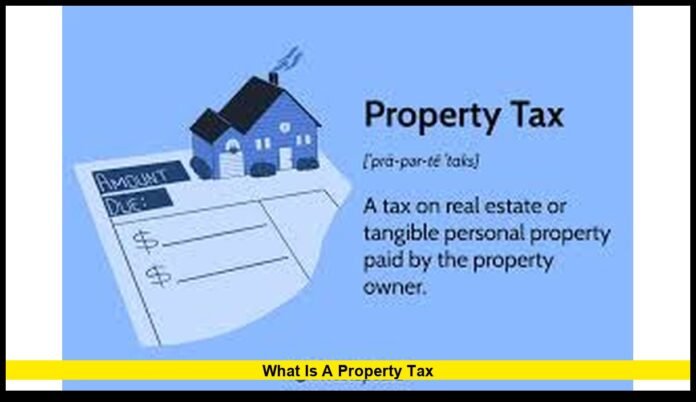
A property tax is a local tax imposed on real estate, including homes, land, and commercial buildings. Local governments calculate it based on the assessed value of the property and apply a rate—often referred to as a mill rate—to determine how much a homeowner owes each year.
Unlike federal income taxes, property taxes are primarily controlled at the county, city, or school district level. The revenue funds essential services such as:
- Public schools
- Police and fire departments
- Road maintenance and infrastructure
- Libraries and parks
- Local government operations
For most communities, property taxes represent the largest and most stable source of local funding.
Because home values have risen significantly in many parts of the country over the past several years, tax bills have increased even in places where rates themselves did not dramatically change. When property assessments go up, tax obligations often follow.
Federal Changes Affecting Property Tax Deductions
Although property taxes are local, federal tax law can influence how much relief homeowners receive at filing time.
Recent federal legislation raised the cap on the state and local tax deduction, commonly known as the SALT deduction. Previously capped at $10,000, the limit has been increased to as much as $40,000 for taxpayers under certain income thresholds through 2029.
This change allows many homeowners—especially in higher-tax states—to deduct more of their property tax payments when itemizing federal returns. However, this does not reduce the property tax bill itself. Instead, it may lower federal income tax liability for eligible households.
For homeowners in states with high property taxes, this adjustment could provide noticeable financial relief. Still, eligibility depends on income levels and whether a taxpayer itemizes deductions rather than taking the standard deduction.
Local Governments Approve Property Tax Increases for 2026
Across the country, local governments are finalizing 2026 budgets, and many include property tax increases.
Several counties in Pennsylvania have approved hikes to address budget gaps and inflation-driven costs. One county adopted a 4% property tax increase to generate additional revenue for essential services. Another nearby county proposed a much steeper increase that could reach nearly 20%, drawing strong public reaction from residents concerned about affordability.
In Connecticut, a proposed budget for the 2026–27 fiscal year includes a modest mill rate increase. For homeowners with properties valued around $1 million, that change could mean several hundred dollars more per year in taxes.
Local officials argue these increases are necessary to maintain service levels, fund education, and manage rising expenses tied to wages, benefits, and infrastructure improvements. Critics counter that many homeowners already face higher mortgage rates, insurance premiums, and living costs.
These debates are unfolding in communities nationwide as local leaders balance financial realities with taxpayer concerns.
State-Level Efforts to Eliminate or Reduce Property Taxes
While some local governments are raising rates, several states are considering dramatic reforms that could reshape property taxation entirely.
North Dakota
North Dakota lawmakers have advanced aggressive plans aimed at significantly reducing, and potentially eliminating, property taxes for primary residences. The state has already expanded tax credits tied to owner-occupied homes. Leaders have signaled long-term goals of offsetting property tax revenue with alternative funding sources, including energy-related revenue streams.
Georgia
In Georgia, legislators are discussing proposals that would phase out most property taxes on homes over several years. The concept involves increasing exemptions for primary residences while identifying replacement revenue sources to maintain funding for local governments and schools.
Florida
Florida officials are also evaluating proposals to reduce or potentially eliminate property taxes. Discussions focus on restructuring how local governments collect revenue, though replacing property tax income presents significant fiscal challenges.
Texas
In Texas, state leadership continues to pursue efforts to reduce or eliminate school property taxes. Education funding relies heavily on property tax revenue in Texas, so any significant changes would require a major shift in how schools are financed statewide.
These proposals remain under legislative debate or early implementation phases. None have yet resulted in the full elimination of property taxes statewide. However, the momentum behind reform is unmistakable.
Why Eliminating Property Taxes Is Complicated
The idea of removing property taxes may sound appealing to homeowners, but it raises complex fiscal questions.
Property taxes account for a large share of local government revenue. In many areas, they fund the majority of public school budgets. Eliminating them would require states to identify replacement revenue sources such as:
- Higher sales taxes
- Increased state income taxes
- Expanded consumption taxes
- Reallocation of existing state funds
Critics of elimination proposals argue that sales taxes can disproportionately affect lower-income households and fluctuate with economic conditions. Property taxes, by contrast, tend to provide stable funding even during economic downturns.
Supporters argue that rising home values have made property taxes burdensome, particularly for retirees and residents on fixed incomes. They say reform is necessary to protect homeowners from being taxed out of their homes.
The debate reflects broader questions about fairness, stability, and the role of homeownership in American life.
The Impact on Homeowners in 2026
For homeowners in 2026, the property tax landscape varies widely depending on location.
In some counties, residents will see modest increases tied to inflation and budget adjustments. In others, they may face larger hikes designed to address funding shortfalls.
Meanwhile, homeowners in states pursuing aggressive reform may experience expanded exemptions or credits in the near term. However, large-scale structural changes typically require voter approval, constitutional amendments, or multi-year implementation plans.
The expansion of the SALT deduction cap at the federal level offers relief for some taxpayers, but it does not directly reduce local tax bills.
If you are buying or selling a home this year, understanding local assessment practices and mill rates is critical. Property taxes affect monthly mortgage payments, housing affordability, and long-term financial planning.
How Property Assessments Influence Your Bill
Property tax bills depend heavily on assessed value. Local assessors periodically review property values to reflect market conditions. If home prices rise in your neighborhood, your assessment may increase—even if tax rates remain unchanged.
Homeowners can often appeal assessments if they believe valuations are inaccurate. Each jurisdiction has its own appeal process and deadlines.
Understanding your assessment notice and how your tax rate applies can help you anticipate changes before your annual bill arrives.
Looking Ahead: A Year of Decisions
The question of what is a property tax now sits at the center of major policy debates. For some lawmakers, it represents an outdated system ripe for overhaul. For others, it remains the backbone of stable local funding.
In 2026, voters, legislators, and local officials will continue shaping how property taxes evolve. Budget votes, ballot initiatives, and state legislative sessions will determine whether reforms move forward or stall.
For homeowners, staying informed is essential. Property taxes influence not just annual expenses but also long-term property values, school quality, and community services.
As the future of property taxes unfolds across America, share your thoughts below and stay tuned for the latest updates that could impact your home and your wallet.