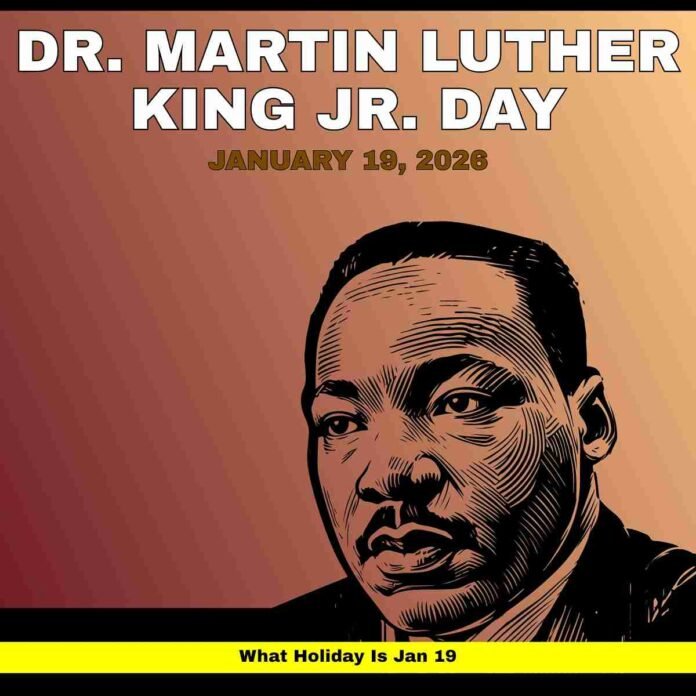

What holiday is Jan 19 in 2026 is a question many Americans and international readers are asking as the date approaches. This day holds special meaning in the United States as a major federal holiday that affects government services, banking, schools, and daily life. Beyond this celebrated date in the U.S., January 19 also carries cultural, religious, linguistic, and local significance in places around the world.
This comprehensive guide takes you through every major celebration and observance on January 19, 2026 — from federal holidays and cultural celebrations to international feasts and local commemorations. Readers will gain a full understanding of how this date is marked in communities across the U.S. and around the globe.
Martin Luther King Jr. Day: The Central U.S. Holiday on January 19
In 2026, January 19 falls on the third Monday of January, which is nationally recognized in the United States as Martin Luther King Jr. Day. This federal holiday honors the life, legacy, and contributions of civil rights leader Dr. Martin Luther King Jr., who played a pivotal role in America’s struggle for racial equality, justice, and nonviolent social change.
Martin Luther King Jr. Day is one of 11 federal holidays observed in the U.S. each year. On this day, federal offices close, public schools often suspend classes, and major financial institutions such as Bank of America, Wells Fargo, and Chase shut down in‑branch operations. U.S. Postal Service offices and mail delivery services are not operational on January 19, and courts in many jurisdictions remain closed. Stock markets, including the New York Stock Exchange and Nasdaq, pause trading for the day, making it a notable date for investors and traders alike.
This holiday was signed into law in 1983 and first observed in 1986, establishing a yearly moment of reflection on Dr. King’s vision for a more equitable society.
Dr. King’s Legacy and Community Celebrations Across the U.S.
Communities throughout the United States honor Martin Luther King Jr. Day with a wide range of events that go beyond time off work and school closures. Cities hold parades, educational programs, and volunteer initiatives that align with the holiday’s focus on service and unity.
In New York’s Capital Region, events include interfaith worship services, community marches, wreath‑laying ceremonies at museums, and family block parties designed to foster fellowship and understanding. Weekend activities often precede the Monday observance, giving families and civic groups more opportunities to reflect on King’s message and contribute to community betterment.
Major cities like Houston feature unique celebrations, combining marches with family festivals and arts performances. Institutions spotlight civil rights history through music, speeches, storytelling, and cultural programming that honors King’s dream of equality and mutual respect. These engagements emphasize how public life can connect with historical reflection and proactive community action.
How Martin Luther King Jr. Day Affects Daily Life and Services
Because Martin Luther King Jr. Day is a federal holiday, the impacts are felt across many sectors. Government agencies at both federal and state levels remain closed. Residents in major metropolitan areas such as New York City will experience a temporary pause in sanitation services, with trash and recycling pickup adjusted to the next business day. This type of schedule change is a common effect of federal holidays and often requires residents to plan ahead.
Postal mail services are suspended on January 19, and while private carriers may operate on their own schedules, many adjust pick‑up and delivery times in coordination with the federal holiday. Banking operations halt for the day, which can delay in‑person financial transactions, though online and ATM services generally remain functional. Employers managing payroll must ensure that pay dates and processing align with the holiday to avoid delays.
State and Local Observances Coinciding with January 19
Besides the federal Martin Luther King Jr. Day, January 19 in 2026 includes a number of state and regional observances that add complexity to how the day is recognized:
- Robert E. Lee Day is observed in parts of the Southern United States, honoring the January 19 birthday of Confederate General Robert E. Lee. This state holiday reflects a very different historical narrative than Martin Luther King Jr. Day, and it is recognized in some local jurisdictions as part of regional heritage traditions.
- Confederate Heroes’ Day is another regional observance tied to Confederate military history. In states like Texas, this day may coincide with or be marked alongside MLK Day.
- Idaho Human Rights Day commemorates human rights locally, aligning with civil rights themes albeit at a state level.
- Civil Rights Day is noted in some states like Arizona and New Hampshire as a local acknowledgment of civic progress.
These overlapping observances reflect how a single calendar date can represent multiple traditions, histories, and community priorities.
Cultural and International Celebrations on January 19
January 19 also resonates far beyond the United States, with a diverse set of cultural and religious celebrations recognized internationally.
In the Indian state of Tripura, Kokborok Day honors the Kokborok language, celebrating its heritage and promoting linguistic preservation among indigenous communities. Events on this day often include literary sessions, cultural performances, and discussions designed to elevate local languages and arts.
In Iceland, Husband’s Day brings a lighter cultural tradition that focuses on appreciating and honoring husbands through shared experiences, gratitude, and gestures of love. While not a public holiday, this observance has grown organically and brings a jovial tone to the day among families.
Religious communities around the Eastern Orthodox world mark Epiphany on January 19 as part of traditional liturgical calendars. In Ethiopia and Eritrea, this feast is celebrated as Timkat, a vibrant and deeply spiritual observance commemorating the baptism of Jesus. Timkat rituals involve water blessings, processions, and communal gatherings that emphasize renewal and spiritual unity, making it one of the most significant dates in the religious calendar for many believers.
Other international observances include Rescuer’s Day in Belarus, where citizens honor emergency services personnel and first responders who risk their lives to protect others. These celebrations recognize professional courage and community safety.
Fun and Informal Observances on January 19
In addition to official holidays, January 19 has inspired a number of fun, informal celebratory days that have caught on through social engagement and creative programming:
- National Popcorn Day has gained popularity in the United States as a light‑hearted celebration of a beloved snack. Movie theaters, food brands, and fans often mark this day with promotions, special events, and social media engagement focused on popcorn culture.
- Elementary School Teacher Day is recognized on the third Monday of January to honor the contributions of elementary teachers and educators who shape young minds. This observance encourages students, parents, and communities to acknowledge the daily impact teachers make in education.
Other playful observances registered in various calendars include themed food days, awareness events, and quirky celebrations that draw participation online and in local groups. These days add a layer of community interaction and shared enjoyment to the January calendar.
Religious and Spiritual Significance of January 19
For Christian communities that follow Eastern Orthodox traditions, January 19 holds deep religious weight as the feast of Epiphany, commemorating the baptism of Jesus in the River Jordan. This sacred observance is marked with liturgies, prayers, and rituals that reinforce theological themes of revelation and spiritual renewal.
In countries like Russia and many Eastern European nations, this day represents both religious devotion and a festive holiday atmosphere. Ceremonial blessings of water, church services, and traditional rites connect congregations with centuries‑old practices rooted in early Christian faith.
These observances add a spiritual dimension to January 19, making it significant not only as a civic or cultural date but also as a meaningful moment in religious calendars.
Why January 19 Matters for Families and Communities
January 19 combines historical reflection, cultural diversity, and community engagement in unique ways. In the United States, Martin Luther King Jr. Day invites individuals to reflect on civil rights, equality, and service. States and localities bring additional observances that represent heritage, identity, and complex histories.
At the same time, international celebrations like Kokborok Day and Timkat expand the meaning of the date beyond national borders, highlighting how language, community, and faith shape meaningful commemorations.
Informal observances such as National Popcorn Day and Elementary School Teacher Day add lighter communal experiences, encouraging people to celebrate simple joys or recognize everyday heroes. Together, these traditions make January 19 a date with layers of significance — historical, cultural, personal, and communal.
Practical Impacts on Daily Life and Economic Activity
Because Martin Luther King Jr. Day is a federal holiday, everyday life in the United States changes in several practical ways:
Government offices, including Social Security Administration branches and most state bureaucracies, close for the day. People who need in‑person services schedule them around the holiday.
The U.S. Postal Service halts mail delivery, and identified carriers like UPS suspend pickup and delivery operations. Some private carriers such as FedEx provide modified services, but delays are common due to the widespread recognition of the federal holiday across shipping partners.
Bank closures affect financial planning, especially for individuals needing teller services or certain transactions. While online banking continues to function, some transfers, ACH payments, and direct deposits may shift by a day due to the holiday banking schedule.
Educational institutions, public libraries, and community centers often plan special events, enrichment activities, or closures around January 19, affecting family schedules. Employers in both public and private sectors may offer holiday pay, floating holiday options, or adjusted work hours.
Travel and leisure industries sometimes respond with promotional activities tied to the long weekend, while culturally focused organizations schedule exhibits, performances, and speaker series that build on Dr. King’s legacy or local traditions.
How Families and Schools Observe the Day
Across the United States, schools often incorporate curriculum enhancements tied to Martin Luther King Jr. Day. Classroom activities might include readings, art projects, storytelling, and discussions about civil rights history. Many educational programs highlight themes like kindness, community service, equality, and leadership.
Families use the day off to engage in community service, participate in local events, or attend cultural performances that enrich their understanding of history. Community organizations commonly host volunteering efforts, food drives, or neighborhood improvement projects that align with the “day of service” ethos associated with Dr. King’s holiday.
In cultural communities outside the U.S., families engage in language celebrations like Kokborok Day by attending recitals, poetry readings, and cultural showcases. Orthodox Christian families participate in Timkat and related rituals, bringing a sense of shared spiritual tradition to the date.
Looking Ahead: January 19’s Evolving Celebrations
As awareness grows around diversity, inclusion, and cultural heritage, January 19 continues to expand in significance. In the United States, Martin Luther King Jr. Day prompts ongoing conversations about equity, justice, and community development. Events evolve each year to engage broader audiences, integrate new educational practices, and deepen community ties.
International observances on this date showcase a world that values linguistic diversity, spiritual tradition, and regional heritage. Celebrations like Kokborok Day support efforts to preserve endangered languages, while Timkat strengthens global interfaith connections.
Even fun observances such as National Popcorn Day and Elementary School Teacher Day facilitate community interaction, spark creativity, and offer lighthearted enjoyment.
January 19, therefore, is not just a date on the calendar — it is a convergence of history, culture, faith, joy, and public life.
Tell us which part of January 19 you celebrate or observe in your community and why it matters to you.