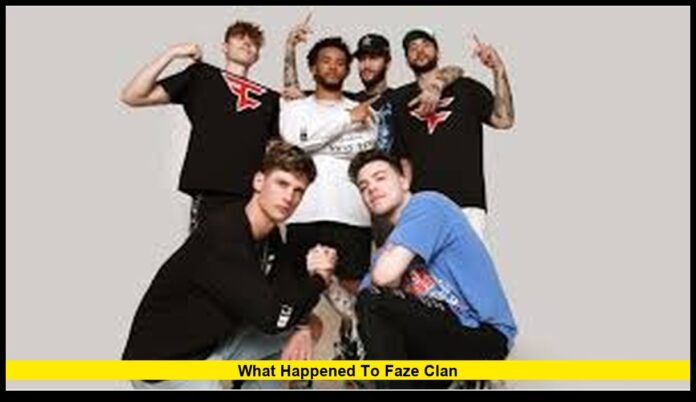

What happened to FaZe Clan became a major topic across the U.S. gaming community in 2025 as one of esports’ most recognizable organizations experienced an unprecedented period of internal disruption, public departures, and structural change. Once viewed as untouchable in creator culture and competitive gaming, FaZe Clan entered a defining chapter that reshaped its identity and raised serious questions about its future.
The developments of 2025 did not occur suddenly. They were the result of long-building pressures that reached a visible breaking point, forcing fans, creators, and industry insiders to reassess what FaZe Clan represents in today’s creator-driven economy.
From Cultural Pioneer to Corporate Giant
FaZe Clan began as a tight-knit group of gamers who built a loyal following through skill, creativity, and authenticity. Over time, that foundation turned into something much larger. The organization grew into a global brand with competitive teams, content creators, merchandise, and entertainment ventures.
As growth accelerated, FaZe Clan evolved from a creator-first collective into a structured business. That transition brought opportunities but also new challenges. Contracts became more complex. Decision-making shifted toward executives. The creative freedom that once defined the brand became harder to maintain.
This shift marked the beginning of a cultural divide that would later become impossible to ignore.
Changing Priorities Inside the Organization
As FaZe Clan expanded, internal priorities began to change. Financial performance, investor expectations, and brand management took precedence over organic creator collaboration. While this approach helped professionalize operations, it also distanced leadership from the people who built the brand’s popularity.
Some creators felt their voices carried less weight. Others believed the organization no longer reflected its original values. These concerns were not always visible publicly, but they slowly weakened internal cohesion.
When alignment disappears, trust follows.
The Pressure of the Modern Creator Economy
The creator economy in 2025 is fundamentally different from the one FaZe Clan dominated years earlier. Creators now have direct access to monetization, sponsorships, and audiences without needing organizational backing.
This shift altered the balance of power. Talented personalities no longer depend on teams for visibility or income. Organizations must offer meaningful value to retain them.
FaZe Clan struggled to adapt quickly enough to this new reality.
Public Departures Changed the Narrative
The turning point came when multiple high-profile creators confirmed their exits within a short period. These announcements immediately caught attention because of their timing and scale.
For fans, the message was clear. This was not routine roster movement. It was a statement.
Creators who had spent years representing the FaZe name chose independence. Their departures signaled deeper issues than simple contract changes.
The silence that followed from leadership only intensified scrutiny.
Why the Exits Had a Bigger Impact
FaZe Clan has seen members come and go before. What made 2025 different was the emotional weight of the departures. These were not just contributors. They were faces of the brand.
Their exits challenged the perception that FaZe Clan was still the ideal home for top creators. It suggested that staying might no longer align with long-term goals.
Fans responded with confusion, frustration, and concern.
Internal Friction and Communication Gaps
One of the most damaging elements of the situation was a lack of clear communication. Without transparent explanations, speculation filled the gap.
Creators hinted at dissatisfaction without providing details. Leadership offered limited public clarity. This disconnect allowed narratives to spiral beyond control.
In today’s digital environment, silence often speaks louder than statements.
Competitive Struggles Added to the Crisis
While content-side instability unfolded, FaZe Clan’s competitive performance also faced challenges. Results in major tournaments failed to meet historic expectations.
Although the organization remained competitive, inconsistency weakened its image as a dominant force. In esports, winning often protects reputation. When results dip, underlying issues become harder to hide.
Performance struggles amplified concerns about leadership direction.
A Brand Searching for Its Identity
FaZe Clan faced an identity question that many large esports organizations now confront.
Was it primarily an esports powerhouse?
A creator network?
A lifestyle brand?
A corporate media company?
Attempting to balance all four created confusion. Without a clear answer, strategy suffered.
Identity matters because it guides decision-making. When identity blurs, execution falters.
Why Fans Felt Disconnected
FaZe Clan’s fanbase was built on authenticity. People followed the brand because it felt real and relatable.
As departures mounted and communication remained limited, fans felt excluded from the conversation. The lack of transparency created distance between the organization and its audience.
In a community-driven industry, that distance can be damaging.
Lessons for the Esports Industry
FaZe Clan’s experience highlights a broader industry lesson. Growth must be balanced with culture. Structure must support creativity, not replace it.
Organizations that forget this risk losing their most valuable asset: people.
The events of 2025 served as a reminder that brand power depends on trust.
Where FaZe Clan Stands Now
As the year closed, FaZe Clan remained operational but clearly changed. The roster looked different. Public perception shifted. The path forward required reassessment.
The organization still holds brand recognition, competitive infrastructure, and a loyal core audience. However, rebuilding momentum will take time and deliberate action.
Reputation recovery does not happen overnight.
What Comes Next Depends on Leadership
FaZe Clan’s future depends on whether leadership acknowledges past mistakes and adapts. That means improving transparency, redefining creator relationships, and clarifying long-term vision.
In an era where creators value independence, organizations must evolve to remain relevant.
FaZe Clan’s next chapter will determine whether it regains trust or continues to fade from prominence.
Why This Story Still Matters
The question of what happened to FaZe Clan matters beyond one organization. It reflects the growing pains of an industry in transition.
Esports is no longer experimental. It is professional, competitive, and unforgiving. Brands that fail to adapt risk being left behind.
FaZe Clan’s story will influence how future organizations structure themselves.
Final Thoughts
FaZe Clan’s turbulent year did not erase its legacy, but it reshaped it. The organization that once defined gaming culture now stands at a crossroads shaped by change, accountability, and adaptation.
Whether FaZe Clan rebuilds or declines will depend on decisions made now, not achievements from the past.
Do you think FaZe Clan can redefine itself in today’s creator economy? Share your perspective and stay informed.