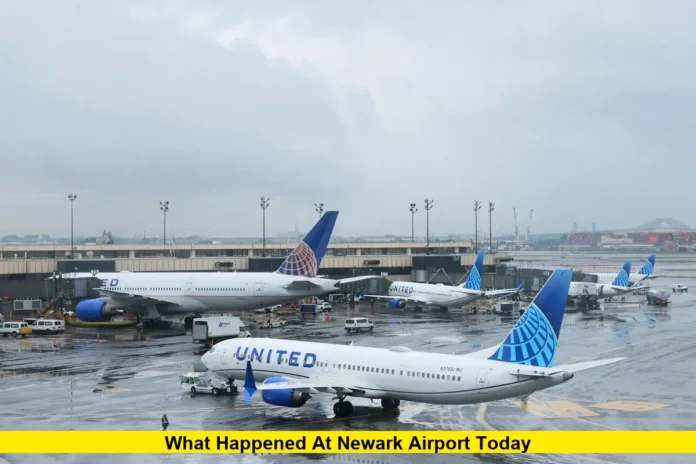

Travelers searching for what happened at newark airport today are encountering a complex situation driven by operational strain, regional disruptions, and ongoing challenges across the U.S. aviation system. Newark Liberty International Airport is not dealing with a single catastrophic event, but rather a convergence of issues that have slowed operations and created widespread delays.
From crowded terminals to longer-than-usual security lines, today’s conditions reflect a system under pressure—especially in one of the busiest air travel corridors in the country.
Delays Spread as Air Traffic Volume Climbs
Newark plays a critical role in serving the New York metropolitan area, and any increase in traffic quickly strains its capacity. Today, flights have been arriving and departing behind schedule due to heavy congestion in the surrounding airspace.
Air traffic controllers are managing a high volume of aircraft, with some flights held on the ground before departure and others circling before landing. These delays are not limited to Newark—they are part of a broader pattern affecting major hubs nationwide.
Passengers are seeing:
- Late departures across multiple airlines
- Aircraft waiting longer at gates
- Flight schedules shifting throughout the day
The situation is fluid, with conditions changing hour by hour.
Security Checkpoints Slowing Passenger Movement
One of the most noticeable issues at Newark today is the slowdown at security checkpoints. Travelers are encountering extended wait times as screening operations move more slowly than usual.
Reduced staffing levels and increased passenger volume are contributing to the bottleneck. During peak travel hours, lines have stretched significantly, creating a ripple effect throughout the airport.
As a result:
- Many passengers are arriving much earlier than planned
- Boarding times are tightening for some flights
- Stress levels are rising among travelers
For those unfamiliar with the airport layout, navigating these delays adds another layer of difficulty.
Regional Disruptions Add to Newark’s Burden
Events at nearby airports are also impacting Newark’s operations. When disruptions occur at other major airports in the New York area, traffic is often redirected, placing additional demand on Newark.
Today, that pattern is evident. Flights originally scheduled for nearby airports have been adjusted, increasing the number of aircraft moving through Newark’s already busy system.
This has led to:
- Increased runway usage
- Tighter scheduling windows
- More crowded terminals
The interconnected nature of regional airports means that even distant incidents can quickly affect Newark.
Recent Safety Concerns Heighten Awareness
In recent days, heightened attention has been placed on aviation safety across the region. A near-incident involving aircraft operating in the same airspace as Newark raised concerns about how tightly packed flight paths have become.
While no accident occurred, the situation underscored the importance of precise coordination in congested skies. Today’s delays are partly a result of cautious operational adjustments designed to maintain safety while managing high traffic levels.
Travelers may notice longer spacing between takeoffs and landings, which can contribute to slower overall movement.
Inside the Terminals: Crowds and Constant Updates
Passengers inside Newark today are experiencing an environment that feels busy and fast-changing. Departure boards are updating frequently, and gate assignments are shifting as airlines adjust to evolving conditions.
Common scenes include:
- Packed waiting areas near gates
- Travelers monitoring apps for updates
- Airline staff assisting with rebooking requests
Despite the challenges, airport operations continue to move forward, with flights departing and arriving throughout the day.
Airlines Respond With Flexible Options
Airlines operating at Newark are actively responding to the disruptions. Many carriers are offering flexibility to travelers whose plans have been affected.
These measures include:
- Waived change fees in certain cases
- Alternative flight options
- Updated notifications through mobile apps
While these steps help, they do not eliminate delays entirely. Travelers are still encouraged to stay alert and prepared for adjustments.
Passenger Experience Reflects Broader Industry Strain
The situation at Newark today reflects a larger trend within the U.S. aviation system. Increased travel demand, combined with operational constraints, is creating ongoing challenges at major airports.
Passengers are adapting by:
- Allowing extra time for every step of the journey
- Staying connected to real-time updates
- Remaining flexible with travel plans
For many, the key challenge is uncertainty rather than a single disruption.
Practical Advice for Travelers Today
If you are flying through Newark today, preparation can make a significant difference. Consider the following steps:
Plan for Early Arrival
Arrive well ahead of your scheduled departure to account for delays at security and check-in.
Monitor Flight Changes Closely
Use airline apps or airport displays to stay informed about schedule updates.
Keep Essentials Accessible
Have travel documents and necessary items ready to speed up security screening.
Stay Patient and Flexible
Conditions may change quickly, and flexibility can reduce stress.
Why Newark Remains a Critical Travel Hub
Newark Liberty International Airport serves millions of passengers each year and connects travelers to destinations across the globe. Its importance within the national and international travel network means that any disruption can have far-reaching effects.
Today’s situation highlights how interconnected the system is. A delay in one location can influence operations hundreds of miles away.
Understanding the Bigger Picture
The question of what happened at newark airport today points to more than just a local issue. It reveals ongoing pressures within air travel infrastructure, including:
- High passenger demand
- Limited operational margins
- Complex coordination between airports
These factors are shaping the travel experience not only at Newark but across the country.
Looking Ahead for Travelers
While today’s disruptions are significant, they are part of a broader pattern that may continue during busy travel periods. Improvements depend on factors such as staffing levels, weather conditions, and regional coordination.
Travelers can expect:
- Continued variability in flight schedules
- Periodic congestion during peak hours
- Ongoing adjustments by airlines and airport authorities
Staying informed remains the most effective strategy.
Conclusion
Newark Airport is operating today under challenging conditions driven by high demand, regional impacts, and operational limitations. While flights are still moving, delays and congestion are affecting the overall travel experience.
Understanding these factors can help passengers better navigate the situation and plan accordingly.