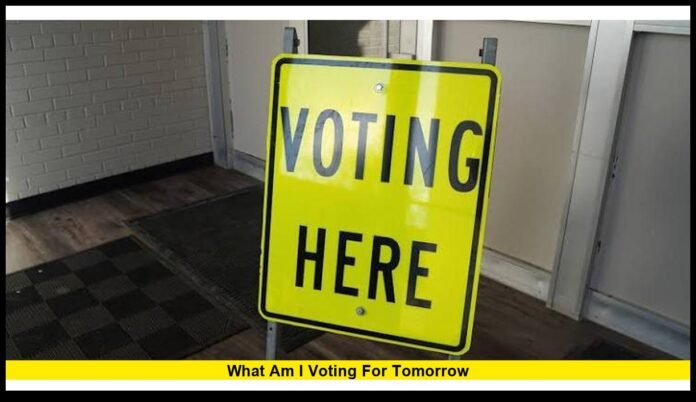

If you are searching for what am I voting for tomorrow, understanding the U.S. election calendar is the first step toward making an informed decision. The offices, candidates, and ballot measures available to you depend on your state, county, city, and voting district. For 2026, the scheduled U.S. general election takes place on Tuesday, November 3. That means November 4 is the day after the nationwide general election, although certain jurisdictions may have other election-related activities or separately scheduled local contests.
American voters can encounter a wide range of decisions on their ballots, from congressional races and state legislative contests to local government positions and public policy proposals. Knowing which elections apply to your address helps you prepare, understand the responsibilities of each office, and make choices based on reliable information rather than assumptions.
Key Points Summary
╔════════════════════════════════════════════════════════════════════╗
║ – The 2026 U.S. general election is scheduled for November 3, 2026. ║
║ – November 4 is not the scheduled date of the nationwide general election. ║
║ – Depending on location, ballots may include congressional, state, county, and municipal races. ║
║ – Some voters may also decide statewide initiatives, constitutional amendments, or local funding measures. ║
║ – Your address and voting district determine which candidates and proposals appear on your ballot. ║
║ – Official sample ballots and election office announcements provide the most reliable local voting information. ║
╚════════════════════════════════════════════════════════════════════╝
Understanding the 2026 U.S. Election Calendar
Election dates are important because different types of elections follow different schedules. Federal general elections for Congress are held in even-numbered years, while presidential elections take place every four years. The 2026 election cycle is a midterm election year, meaning voters will decide congressional races and numerous state and local contests without a regularly scheduled presidential election.
Tuesday, November 3, is the scheduled date of the 2026 U.S. general election. Voters should distinguish that nationwide election date from local special elections, municipal contests, and other voting events that may follow different calendars.
If you are planning to vote on November 4, check your local election office to establish whether a separate contest is scheduled. Do not assume that polling places will remain open for the general election the following day.
Election schedules can also differ within a state. County officials, municipalities, and school districts may administer contests that apply only to particular communities. Two voters living in the same state may therefore face different ballot choices.
Which Federal Offices Could Appear on Your Ballot?
Federal elections receive significant public attention because their outcomes can affect national legislation, government spending, and oversight of federal agencies. However, not every voter will see the same federal races.
U.S. House of Representatives
Members of the U.S. House of Representatives serve two-year terms. Regular congressional elections give voters an opportunity to choose representatives for their respective districts.
House members introduce legislation, debate national policies, vote on federal spending, and oversee government departments and programs. Their decisions can influence issues such as healthcare, immigration, infrastructure, taxation, education funding, and economic policy.
Your congressional district determines which House candidates appear on your ballot. Before voting, review the candidates’ positions, professional backgrounds, legislative records, and proposed priorities.
Campaign promises should be evaluated in light of the powers of the office. A House representative can help shape federal policy, but cannot independently implement every proposal made during a campaign.
U.S. Senate
Senators represent entire states and serve six-year terms. Approximately one-third of Senate seats are regularly contested during each two-year election cycle.
As a result, some states will have Senate elections in 2026, while others will not have a regularly scheduled Senate contest. Voters should check their sample ballots rather than assuming that every state is choosing a senator.
The Senate considers legislation, confirms many presidential appointments, participates in treaty-related responsibilities, and conducts impeachment trials. Its composition can influence the direction of federal policy and the progress of major legislative proposals.
When comparing Senate candidates, voters can examine their policy positions, public service experience, voting records where applicable, and approaches to representing the interests of their states.
State Elections Can Influence Everyday Life
State government has an important role in shaping policies that directly affect residents. Depending on the state’s election calendar, voters may encounter contests for governor, attorney general, secretary of state, treasurer, or other statewide offices.
Not every state elects every position in 2026. The offices appearing on individual ballots depend on state law and the timing of each official’s term.
Governor and Statewide Leadership
Governors oversee state executive branches, administer state laws, and often play a major role in preparing budgets and determining policy priorities. They may sign or veto legislation, subject to the state’s constitutional rules.
Other statewide officials have different responsibilities. Attorneys general generally handle state legal matters, while secretaries of state often oversee elections and maintain certain public records. State treasurers and financial officers may be responsible for managing public funds or carrying out other financial duties.
These positions matter because state governments administer many public services and establish policies in areas such as transportation, education, healthcare regulation, and public safety.
State Legislature
State legislative races determine who will debate and vote on laws affecting residents. Depending on the state’s structure, voters may elect representatives to a state House or Assembly, a state Senate, or both.
State lawmakers consider budgets, establish legal requirements, oversee public agencies, and decide how public resources are allocated. Their decisions may affect housing regulations, tax policy, environmental protections, schools, and infrastructure projects.
A candidate’s responsibilities should guide your evaluation. Reviewing policy proposals alongside experience and previous public decisions can help clarify which candidate is best prepared for the office.
What Local Elections May Be on Your Ballot?
Local contests can be just as consequential for residents as elections receiving national coverage. City and county governments manage services, infrastructure, and community decisions that people encounter regularly.
Depending on your jurisdiction, your ballot may include candidates for mayor, city council, county commission, sheriff, district attorney, county assessor, local courts, or other offices.
The structure of local government differs across the country. Some communities elect officials directly, while other positions are filled through appointments.
City councils may consider zoning changes, development proposals, municipal budgets, and local ordinances. County officials can oversee public services, emergency response, court administration, road maintenance, and other responsibilities established by state law.
Local candidates may receive less media coverage than congressional or statewide candidates. This makes it especially useful to read their policy statements, examine their records, and understand the duties of the offices they seek.
School Board Elections
Some communities also hold school board elections. These contests can influence school district administration, facilities planning, budgets, and educational policies.
School board responsibilities vary according to state law and local governance arrangements. Members may help establish district priorities, oversee spending, and evaluate district leadership.
If a school board race appears on your ballot, consider the candidates’ experience, proposed priorities, and understanding of the district’s needs. Local education decisions can have long-term consequences for students, families, employees, and taxpayers.
Ballot Measures: Laws, Taxes, and Public Spending
Not every election decision involves choosing a person for public office. Some ballots include proposals that ask voters to approve or reject a particular legal, financial, or policy change.
These measures can vary widely by state and locality. They may involve constitutional amendments, tax changes, school funding, public infrastructure, or other matters.
Constitutional amendments propose changes to a state’s governing document and generally follow procedures established by state law.
Tax measures may concern tax rates, exemptions, revenue collection, or limits on government taxation.
Bond proposals may ask voters to authorize borrowing for specific public projects, such as schools, transportation infrastructure, or public facilities.
Local initiatives can propose changes to municipal rules, public services, or spending priorities.
The exact measures available depend on your location. A proposal appearing on one state’s ballot may not appear anywhere else.
Before deciding, read the official ballot description and supporting explanatory materials. Identify what would change if the proposal passes, how it would be implemented, and whether it could create new costs or financial obligations.
A measure’s title alone may not explain its full implications. Understanding the proposed legal change is more useful than relying exclusively on campaign advertisements or slogans.
How to Find Your Sample Ballot Before Election Day
If you want to know exactly what you will be voting on, start with your official sample ballot. This document identifies the candidates and questions assigned to your voting jurisdiction.
First, establish your state and county. Then consult the relevant election office to find voter information, ballot details, polling locations, and applicable deadlines.
Once you have the sample ballot, review every contest. Record the names of unfamiliar candidates and identify ballot measures that require additional research.
Next, compare candidates’ experience, stated priorities, and public records. Consider the responsibilities of each position and whether a candidate’s proposals fall within the office’s legal authority.
For ballot questions, examine the actual wording and the likely consequences of approval or rejection. If a proposal concerns public spending, determine its purpose and the obligations it could create.
Finally, confirm the applicable election date and voting arrangements. This is particularly important if you are checking for an election on November 4 rather than the scheduled November 3 general election.
Polling Locations, Voting Hours, and Registration Rules
Voting procedures vary by state and local jurisdiction. Polling places may have different operating hours, identification requirements, and rules for resolving registration problems.
Before leaving home, confirm your assigned polling location through the appropriate election office. Do not assume that a polling place used in a previous election remains your current location.
Check whether your state requires identification and which forms are accepted. If you have questions about registration, accessibility, or provisional ballots, consult official local instructions.
Early voting and mail voting rules also differ. Some states offer extensive early in-person voting, while others use different procedures and deadlines. Ballot return requirements can depend on whether the ballot must be received by Election Day or whether another rule applies.
If you have already submitted a mail ballot, check its status through an official tracking service when available. If an issue arises, contact election officials promptly to learn what options are permitted under local law.
Why the 2026 Midterm Elections Matter
Midterm elections provide voters with an opportunity to determine the composition of Congress and influence state and local leadership.
The balance of power in the House and Senate can affect legislation, federal spending, congressional investigations, and the consideration of presidential appointments. State legislative and executive elections can influence how state laws are developed and administered.
Local contests may determine who oversees municipal services, public facilities, education administration, and community development. Ballot measures can also give voters a direct say on particular policy or funding questions.
These outcomes do not affect every community in the same way. A voter’s practical choices depend on which offices are up for election and which proposals qualify for the ballot in that jurisdiction.
For that reason, understanding your own ballot is more useful than assuming the same set of candidates and issues will appear throughout the country.
What Happens After the Polls Close?
When voting ends, election officials follow procedures for processing ballots, reporting returns, canvassing results, and certifying outcomes.
Initial totals may not include every eligible ballot. Depending on state rules, additional ballots may need to be processed or reviewed before results are finalized.
Media organizations may project winners before official certification, but projections and unofficial returns are not the same as certified results. Close contests can require additional counting, recounts, or legal proceedings when authorized by law.
Voters should rely on official election announcements for final results and avoid treating preliminary totals as definitive.
These procedures help ensure that election outcomes follow the applicable legal requirements and that eligible votes are accounted for appropriately.
Final Thoughts on Preparing for the 2026 Election
Knowing what appears on your ballot is one of the most practical ways to prepare for an election. Federal races, state offices, local contests, and ballot measures can all influence government decisions, public spending, and community priorities.
For anyone asking what am I voting for tomorrow, confirming the date and checking the official ballot are the essential first steps. The scheduled U.S. general election is November 3, 2026, while November 4 falls on the following day. Any separate local contest should be verified through the relevant election office.
Take time to research the candidates, understand the proposals, confirm your polling arrangements, and review the rules that apply to your location. Careful preparation helps you approach the ballot with a clearer understanding of the choices available.
Have you reviewed your ballot and identified the issues that matter most to your community? Share your thoughts in the comments and stay informed about the latest U.S. election developments.