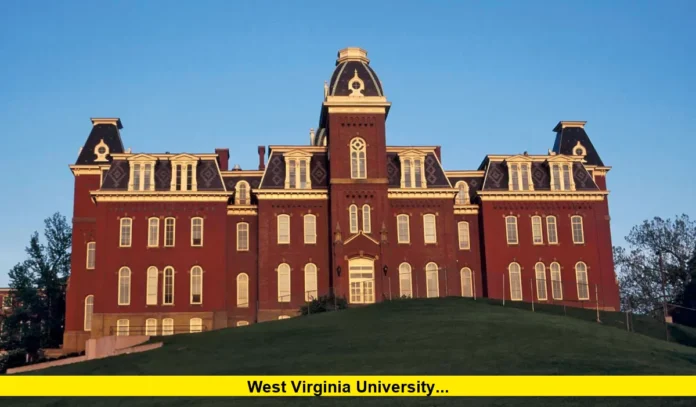

In early 2026, west virginia university is once again generating buzz—not for a single headline moment, but for a series of changes that signal something bigger: a quiet transformation that’s reshaping its future.
From new leadership priorities to academic expansion and rising student momentum, the conversation around WVU is shifting—and people are starting to notice.
Have you been following the changes at WVU, or is this your first time hearing about its transformation?
Before the Spotlight
For years, West Virginia University carried a familiar identity.
It was known as the flagship institution of the state—deeply rooted in tradition, strong community ties, and a loyal alumni base. Its economic and cultural impact stretched far beyond campus, influencing education, healthcare, and workforce development across West Virginia.
But like many public universities, WVU also faced challenges in the evolving higher education landscape: changing enrollment patterns, financial pressures, and the growing demand for career-focused programs.
The institution wasn’t standing still—but it wasn’t dominating headlines either.
How the University First Drew Attention Again
Momentum began building in late 2025 and accelerated into 2026.
A new chapter opened with leadership emphasizing student success, retention, and long-term growth. Early data showed a notable shift: freshman retention rates climbed above 85%, while enrollment across the WVU system increased by more than 7%.
At the same time, the university expanded its academic footprint.
New degree programs were approved for 2026, including graduate offerings in fields like plant and soil sciences and strategic communication—clear signals that WVU was aligning itself with workforce demands.
This wasn’t just routine growth—it looked like a coordinated reset.
What People Started Noticing
As updates continued rolling in, a pattern became clear.
WVU wasn’t focusing on just one area—it was evolving across multiple fronts at once.
The School of Medicine, for example, announced expansions to key residency programs in radiology and otolaryngology, increasing opportunities for future physicians and strengthening healthcare training in the region.
Meanwhile, new online programs—including a master’s degree in artificial intelligence—opened doors for nontraditional and remote learners.
And beyond academics, large-scale initiatives like the annual Day of Giving continued to generate significant financial support, helping fund scholarships, infrastructure, and student programs.
Observers began to describe the shift as strategic rather than reactive.
What the University Has Said
Leadership has been clear about the direction.
University officials emphasized flexibility, access, and long-term student success as guiding priorities. Scholarship funding, in particular, has been highlighted as a critical tool to help students complete their degrees and reduce financial barriers.
There’s also a strong focus on statewide impact.
WVU leaders continue to stress the institution’s role in economic development, workforce training, and healthcare delivery—positioning the university as not just an academic hub, but a driver of regional growth.
Why the Story Is Trending Now
The renewed attention in 2026 isn’t tied to a single announcement—it’s the accumulation of multiple developments happening at once.
Recent increases in statewide higher education funding have added another layer to the story, reinforcing the idea that WVU’s role is expanding rather than shrinking.
Events and initiatives focused on emerging technologies, workforce trends, and policy engagement are also placing the university at the center of forward-looking conversations.
At the same time, the steady rollout of new programs, investments, and student-focused strategies has created a sense of momentum that’s hard to ignore.
In short, WVU is no longer just maintaining its position—it’s actively redefining it.
What Comes Next
Looking ahead, several developments could shape the next phase of WVU’s transformation.
New academic programs are set to launch in Fall 2026, while infrastructure projects and research investments continue to move forward.
The university is also expanding its reach beyond campus through online education, policy engagement, and partnerships that connect students directly to evolving industries.
If current trends continue, WVU could emerge as a model for how public universities adapt in a rapidly changing education landscape—balancing tradition with innovation.
The story of West Virginia University isn’t just about change—it’s about momentum. Stay tuned, because this transformation may only be getting started.