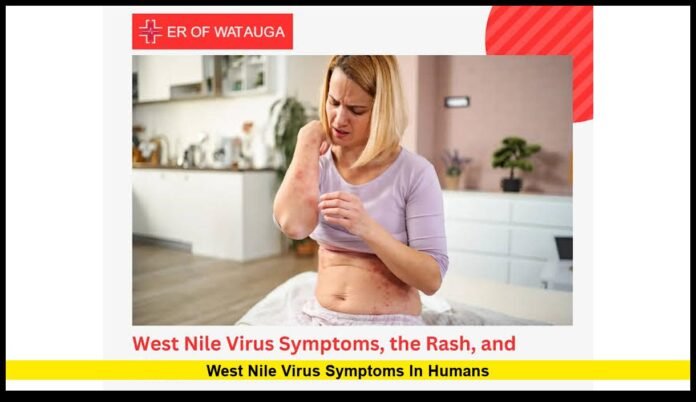

West Nile virus symptoms in humans are receiving increased attention across the United States as mosquito activity rises during the 2026 season. Health officials have confirmed virus activity in multiple states, with early human infections and infected mosquito populations reported before the typical seasonal peak. Although most infected people never become sick, recognizing the symptoms remains important because severe cases can lead to life-threatening complications involving the brain and nervous system.
What Is West Nile Virus?
West Nile virus is a mosquito-borne virus that spreads to people through the bite of an infected mosquito. Birds serve as the primary hosts of the virus, while mosquitoes become infected after feeding on infected birds. Humans are considered incidental hosts, meaning they do not normally spread the virus to other people through everyday contact.
Since arriving in the United States in 1999, West Nile virus has become the country’s most common mosquito-borne disease. Cases are reported every year, with infections increasing during the warmer months when mosquito populations grow.
Latest West Nile Virus Activity in the United States
The 2026 mosquito season has started earlier than many recent years. Public health officials have identified infected mosquitoes and confirmed human infections across several states, leading to increased mosquito control efforts and public awareness campaigns.
Recent developments include:
- Virus activity confirmed in more than 20 states.
- Early human cases reported in states including Arizona, Texas, Colorado, and Colorado’s Larimer County.
- Local mosquito surveillance programs continue detecting infected mosquito pools.
- Health departments are urging residents to use insect repellent and eliminate standing water around homes.
Federal health officials say this represents one of the earliest starts to the West Nile virus season in more than two decades.
West Nile Virus Symptoms in Humans
Most infections never cause illness.
Health experts estimate:
| Outcome | Percentage |
|---|---|
| No symptoms | About 80% |
| Mild illness | About 20% |
| Severe neurological illness | Less than 1% |
This means many people who become infected never know they had the virus.
Early Symptoms to Watch For
When illness develops, symptoms usually appear between 2 and 14 days after the bite of an infected mosquito.
Common symptoms include:
- Fever
- Headache
- Body aches
- Muscle pain
- Joint pain
- Fatigue
- Weakness
- Nausea
- Vomiting
- Diarrhea
- Skin rash
- Swollen lymph nodes
These symptoms often resemble a mild flu-like illness. Many people recover within several days, although tiredness may continue for weeks in some cases.
Signs of Severe Illness
A small number of infected people develop neuroinvasive disease, which affects the brain, spinal cord, or surrounding tissues.
Warning signs include:
- High fever
- Severe headache
- Stiff neck
- Confusion
- Difficulty staying awake
- Tremors
- Muscle weakness
- Difficulty walking
- Vision changes
- Seizures
- Paralysis
- Coma
These symptoms require immediate medical attention because severe West Nile virus disease can become life-threatening.
Who Has the Highest Risk of Severe Disease?
Anyone bitten by an infected mosquito can develop West Nile virus. However, severe illness is more likely among:
- Adults aged 60 years and older
- People with weakened immune systems
- Organ transplant recipients
- Individuals receiving immune-suppressing medications
- People with certain chronic medical conditions
Healthy younger adults usually experience either no symptoms or mild illness, but serious infections can occur at any age.
How Long Does It Take for Symptoms to Develop?
The incubation period generally ranges from 2 to 14 days after infection.
Some people with weakened immune systems may develop symptoms slightly later.
Because mosquito bites often go unnoticed, many patients cannot identify exactly when they became infected.
Can Children Get West Nile Virus?
Yes. Children can become infected after being bitten by an infected mosquito.
Fortunately, most children either develop no symptoms or experience only mild illness.
Parents should seek immediate medical care if a child develops:
- Persistent high fever
- Severe headache
- Neck stiffness
- Confusion
- Difficulty walking
- Seizures
Although uncommon, children can develop severe neurological complications.
How Is West Nile Virus Diagnosed?
Doctors consider several factors when evaluating possible infection.
These include:
- Symptoms
- Recent mosquito exposure
- Time of year
- Local virus activity
Diagnosis is confirmed using laboratory testing.
Tests may include:
- Blood testing
- Cerebrospinal fluid testing when neurological disease is suspected
Testing also helps distinguish West Nile virus from other infections with similar symptoms.
Is There a Cure?
There is currently no specific antiviral treatment for West Nile virus.
Treatment focuses on managing symptoms while the immune system fights the infection.
People with mild illness are generally advised to:
- Rest
- Drink plenty of fluids
- Reduce fever
- Manage pain with appropriate medications
Patients with severe illness may require:
- Hospitalization
- Intravenous fluids
- Respiratory support
- Intensive neurological care
- Physical rehabilitation
Recovery depends on the severity of illness and the patient’s overall health.
Can Symptoms Last After Recovery?
Many people recover fully.
However, patients who experience severe neurological disease may continue to have:
- Muscle weakness
- Fatigue
- Balance problems
- Memory difficulties
- Walking problems
- Reduced physical strength
Recovery can take several months, and some neurological problems may persist longer.
How the Virus Spreads
The transmission cycle involves mosquitoes and birds.
The process works like this:
- A mosquito bites an infected bird.
- The mosquito becomes infected.
- The infected mosquito bites a person.
- The virus enters the bloodstream.
People do not usually spread West Nile virus through normal daily activities such as hugging, shaking hands, or sharing food.
When Is West Nile Virus Season?
Most infections occur during:
- Late spring
- Summer
- Early fall
Mosquito populations increase during warm weather, especially after rainfall or in areas where standing water collects.
Although the exact timing varies by region, July through September typically represents the highest period of risk across much of the United States.
How to Protect Yourself
Preventing mosquito bites remains the best defense.
Use Insect Repellent
Apply an EPA-registered insect repellent whenever spending time outdoors in mosquito-prone areas.
Wear Protective Clothing
Choose:
- Long sleeves
- Long pants
- Loose-fitting clothing
- Light-colored fabrics when possible
Remove Standing Water
Mosquitoes lay eggs in standing water.
Check your property regularly for:
- Bird baths
- Flower pots
- Buckets
- Trash containers
- Children’s toys
- Old tires
- Clogged gutters
Empty or clean these items frequently.
Protect Your Home
Keep mosquitoes outside by:
- Repairing damaged window screens
- Keeping doors closed
- Using air conditioning when available
Avoid Peak Mosquito Hours
Mosquitoes that spread West Nile virus are often most active:
- Around dawn
- During dusk
- Early evening
Limiting outdoor exposure during these periods can reduce the risk of bites.
When Should You See a Doctor?
Seek medical attention immediately if symptoms include:
- High fever
- Severe headache
- Neck stiffness
- Confusion
- Difficulty speaking
- Muscle weakness
- Paralysis
- Seizures
Prompt evaluation can help identify serious neurological complications early.
Frequently Asked Questions
Can you get West Nile virus twice?
Most people develop immunity after infection, making repeat infections uncommon.
Do antibiotics help?
No. Antibiotics only treat bacterial infections and do not work against viruses.
Is there a vaccine for humans?
There is currently no approved vaccine for the general public.
Can pets become infected?
Some animals can become infected, but horses are affected more commonly than household pets.
Can healthy adults become seriously ill?
Yes. Severe illness is uncommon but remains possible, even in otherwise healthy adults.
Why Knowing the Symptoms Matters
Because most infections cause no symptoms, West Nile virus often spreads unnoticed during mosquito season. At the same time, recognizing early warning signs can make a meaningful difference for the small number of people who develop severe disease. Paying attention to fever, headache, body aches, rash, or sudden neurological symptoms—and taking simple steps to prevent mosquito bites—can help reduce the impact of West Nile virus throughout the 2026 season.
Have questions about West Nile virus or mosquito safety in your area? Share your thoughts in the comments and check back for the latest updates throughout the season.