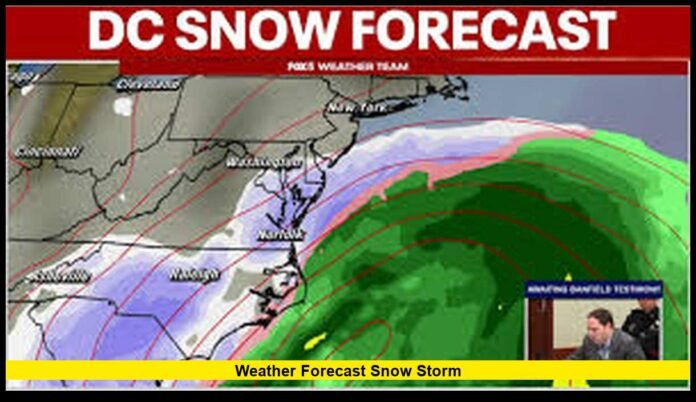

The weather forecast snow storm impacting the United States today shows a powerful winter system spreading heavy snowfall, strong winds, and bitter cold across a wide portion of the country, with the greatest effects concentrated from the Southeast through the Mid-Atlantic and into the Northeast. As of January 29, 2026, forecasters confirm that this storm is producing significant travel disruptions, reduced visibility, and hazardous conditions for millions of residents.
This event follows a series of January winter systems that have already placed much of the nation under prolonged cold and repeated snowfall. The current storm is notable for its rapid strengthening over the Atlantic and its ability to pull Arctic air far south, creating a broad zone of snow, wind, and freezing temperatures.
Storm Development and Overall Pattern
The present weather setup features a deepening low-pressure system moving northward along the East Coast while tapping into a reservoir of cold air across central and eastern Canada. As warm, moisture-laden air from the ocean rises over the entrenched cold dome inland, widespread snow has developed across multiple states.
This classic winter configuration is responsible for:
- Organized snow bands stretching hundreds of miles
- Strong pressure gradients producing gusty to damaging winds
- Rapid temperature drops behind the storm center
- Prolonged periods of frozen precipitation in inland areas
The system’s strength and size allow it to influence weather well away from the coastline, affecting interior valleys, higher elevations, and densely populated urban corridors alike.
Northeast: Heavy Snow and Near-Blizzard Conditions
The Northeast remains at the heart of the weather forecast snow storm, with many locations experiencing steady to heavy snowfall combined with strong winds.
Key conditions across the region include:
- Accumulating snow in major cities and surrounding suburbs
- Reduced visibility from blowing and drifting snow
- Snow-covered highways and secondary roads
- Delays and cancellations at major airports
- Dangerous wind chills following the storm’s passage
Interior sections of New York, Pennsylvania, Vermont, New Hampshire, and Maine are seeing some of the most persistent snowfall, while coastal areas face the added impact of high winds and rough marine conditions.
Mid-Atlantic: Snow, Ice, and Frigid Air
From Virginia through Maryland and into southern New Jersey, the storm is producing a mix of moderate to heavy snow with periods of gusty wind. The cold air in place has allowed precipitation to remain frozen even near the coast, leading to widespread accumulation.
Primary concerns in this region include:
- Icy bridges and elevated roadways
- Rapidly changing road conditions during heavier snow bands
- Strong wind gusts that may cause isolated power interruptions
- Extended cold following the storm, allowing snow and ice to persist
Urban centers along major transportation corridors are experiencing slower travel and increased accident risk as plows and treatment crews work to keep pace with snowfall rates.
Southeast: Rare Wintry Impacts
Farther south, the influence of the storm extends into areas that do not frequently deal with snow. Cold air spilling southward has allowed frozen precipitation to reach portions of the Carolinas and nearby higher terrain.
In these areas, impacts include:
- Light to moderate snow in elevated regions
- Freezing temperatures overnight and during early morning hours
- Slick conditions on untreated roads
- School and government schedule adjustments in some communities
While totals are lower than in the Northeast, even small amounts of snow and ice can cause significant disruption in regions with limited winter infrastructure.
Midwest and Ohio Valley: Lingering Effects from Earlier Systems
Although the main focus of the current storm lies east, much of the Midwest and Ohio Valley remains locked in winter conditions due to previous snowfall and persistent cold.
Ongoing challenges include:
- Packed snow and ice on secondary roads
- Nighttime refreezing after daytime melting
- Below-normal temperatures maintaining hazardous travel surfaces
- Continued demand on heating systems during prolonged cold spells
The broader pattern keeps these regions vulnerable to additional disturbances should new systems track through in the coming days.
Wind and Visibility Concerns
One of the defining elements of this weather forecast snow storm is the strength of the wind field surrounding the low-pressure center. In exposed and coastal locations, sustained winds and stronger gusts are producing:
- Blowing and drifting snow that reduces visibility
- Whiteout conditions in heavier bands
- Increased risk of tree damage and power line stress
- Hazardous conditions for marine and coastal operations
In combination with falling snow, these winds create near-blizzard conditions in some areas, making travel extremely dangerous during peak intensity.
Temperature Trends and Wind Chill
Behind the storm, a renewed surge of Arctic air is spreading across the eastern half of the country. This cold outbreak is characterized by:
- Daytime highs remaining below freezing across much of the Northeast and Midwest
- Overnight lows falling into the teens and single digits in interior regions
- Subzero wind chills in the coldest locations
- Prolonged periods of frozen ground and lingering snowpack
The cold not only increases the risk of frostbite and hypothermia but also slows snowmelt, extending the duration of hazardous travel and outdoor conditions.
Transportation and Infrastructure Impacts
The combination of snow, wind, and cold is placing significant strain on transportation and utility systems.
Current effects include:
- Highway slowdowns and temporary closures in heavy snow zones
- Widespread flight delays and cancellations at major airports
- Disruptions to rail service in affected corridors
- Increased load on electrical and heating infrastructure
- Heightened risk of scattered power outages in windy coastal and wooded areas
Emergency management agencies and road crews are operating on extended schedules to address snow removal, ice control, and public safety needs.
Public Safety and Community Response
Local and state authorities across the storm’s path are emphasizing preparedness and caution. Residents are being urged to:
- Limit travel during periods of heavy snowfall and strong winds
- Keep emergency kits stocked with food, water, and medications
- Ensure mobile devices remain charged in case of outages
- Dress in warm, layered clothing when outdoors
- Check on elderly neighbors and those with limited mobility
Public warming centers are being utilized in some communities where extreme cold poses a risk to vulnerable populations.
Broader Winter Pattern
The current storm is part of a larger late-January pattern marked by:
- Repeated intrusions of cold air from Canada
- An active storm track along the eastern United States
- Frequent clashes between Arctic air and Atlantic moisture
- Persistent below-normal temperatures over large areas
This setup favors continued opportunities for snow and cold as the nation moves toward early February, even though individual storm tracks and intensities will vary.
What Comes Next
While the main body of this storm will gradually move northward and weaken, its effects will linger in the form of:
- Snow-covered and icy roads
- Ongoing cold that prevents rapid melting
- Elevated rivers and coastal water levels in some areas
- Continued recovery efforts for transportation and utilities
Forecast confidence remains high that winter conditions will continue to dominate the eastern United States in the near term, keeping snow removal operations, emergency planners, and residents on heightened alert.
The weather forecast snow storm now affecting the nation serves as a reminder of how quickly conditions can deteriorate during peak winter. With snow, wind, and cold combining across a vast region, staying informed and prepared remains essential for safety and mobility.
Stay alert to local advisories, follow safety guidance, and share how this winter storm is impacting your area so communities can stay connected and informed.