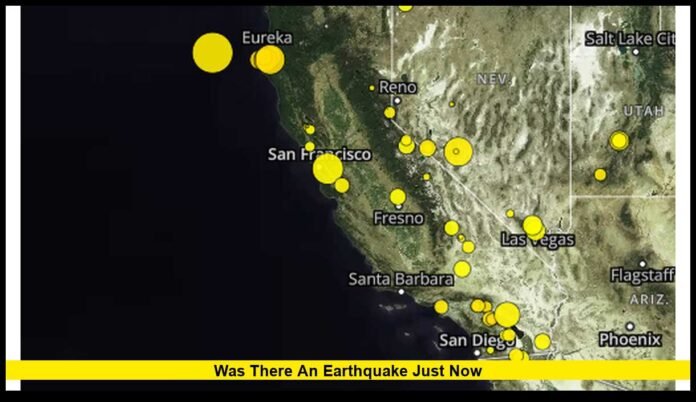

Every time the ground trembles, social media lights up with people asking the same thing: “Was there an earthquake just now?” Whether it’s a slight jolt that rattled your shelves or a noticeable wave that set off alarms, those few seconds of shaking always spark concern and curiosity.
Across the United States, minor earthquakes are a daily occurrence, though most go unnoticed. As of November 26, 2025, several mild tremors have been logged by monitoring networks, primarily in the western states. None of today’s recorded quakes were severe, and no major damage or injuries have been reported so far.
Current Seismic Overview in the United States
The U.S. Geological Survey (USGS) continues to track and record earthquake activity across the nation in real time. Today’s activity shows multiple light tremors across the Pacific coast and Alaska, regions known for frequent seismic movement.
Here’s a snapshot of recent verified seismic readings within U.S. territories as of this morning:
| Region | Magnitude | Depth (km) | Time (Local) | Status |
|---|---|---|---|---|
| Southern California | 3.4 | 9.1 | 8:10 AM PST | Minor, no damage |
| Alaska Peninsula | 3.9 | 15.2 | 5:20 AM AKST | Light, not widely felt |
| Northern Nevada | 2.8 | 7.6 | 7:45 AM PST | Minimal shaking |
| Western Montana | 3.1 | 11.4 | 9:32 AM MST | Slight tremor |
| Off the Oregon Coast | 4.2 | 10.0 | 3:18 AM PST | Offshore, no land impact |
While these numbers may seem small, they remind us that the Earth’s crust is constantly in motion. The U.S. sits atop several major tectonic boundaries, meaning low-level seismic activity is routine, even if most people never feel it.
How You Can Confirm Real-Time Tremors
When you sense movement, your first instinct might be to check social media or text someone nearby. But if you genuinely want to confirm whether it was an earthquake, the most accurate way is through real-time monitoring tools.
Several resources are available for the public that update within seconds of an event. They include smartphone apps, interactive maps, and local alert systems that pinpoint exact locations, magnitudes, and times. Many residents in California, Oregon, and Washington rely on early warning notifications that send alerts seconds before strong shaking arrives, allowing them to take quick action.
For everyday verification, digital maps and alert systems remain the fastest way to answer that lingering question.
Why Earthquakes Are So Common in the U.S.
From Alaska to the Pacific coast, the U.S. is one of the world’s most seismically active regions. This activity is largely due to the shifting boundaries between several tectonic plates beneath the surface — most notably the Pacific Plate and the North American Plate.
- California experiences frequent minor quakes because of the San Andreas Fault, a massive boundary stretching more than 800 miles.
- Alaska leads the nation in seismic activity, hosting thousands of quakes every year, many too deep or remote to be felt.
- The Pacific Northwest faces potential risk from the Cascadia Subduction Zone, capable of producing large-scale events, though none have occurred recently.
- The Central U.S., particularly Oklahoma and Texas, has seen occasional minor tremors often linked to natural shifts and regional geological stress.
These regions experience near-daily seismic movement, most registering below magnitude 4.0, which typically results in no structural damage.
Typical Signs People Notice Before Checking
Residents who’ve lived through tremors often describe similar sensations before realizing it’s seismic activity:
- A sudden vibration underfoot, like heavy equipment nearby
- Hanging lights or ceiling fans swaying slightly
- Windows rattling or creaking noises from walls
- Animals behaving unusually or barking for no reason
- A faint rumbling sound followed by quick motion
Such sensations last only seconds but are enough to trigger widespread curiosity — and, in many cases, anxiety. That’s when thousands head online asking that familiar question to confirm their suspicions.
What to Do During the First Seconds of Shaking
Even small earthquakes can be startling, especially if you’re not used to them. Quick action can reduce risk during those crucial moments. Safety experts recommend three simple steps anyone can follow instantly:
- Drop – Get down to the ground so you’re less likely to fall.
- Cover – Take shelter under sturdy furniture like a desk or table.
- Hold On – Stay put until the shaking completely stops.
If you’re outdoors, move away from power lines, trees, or buildings. In a car, pull over to a safe spot and remain inside until movement ends. Avoid rushing outside during shaking, as falling debris poses one of the highest risks of injury.
After the Tremor: Checking for Hazards
Once the shaking stops, it’s important to remain alert. Aftershocks may follow minutes or hours later, and they can feel nearly as strong as the initial quake. After an event, people are advised to:
- Inspect gas lines and water connections for leaks.
- Stay away from damaged walls, chimneys, and overhead structures.
- Keep communication channels clear for emergency use.
- Check official updates for follow-up activity.
For households in quake-prone states, having basic emergency supplies — flashlights, water, first-aid kits, and portable chargers — ensures readiness in case of temporary disruptions.
The Rise of Early Warning Technology
Over the past few years, the U.S. has significantly expanded its earthquake early warning systems. These systems rely on dense networks of ground sensors that detect initial seismic waves before the main shaking reaches populated areas.
California’s ShakeAlert system, for instance, can deliver alerts to phones and connected devices seconds before the motion starts. That tiny lead time might not sound like much, but it allows automatic actions such as:
- Slowing trains to prevent derailments
- Halting elevators at the nearest floor
- Stopping delicate industrial processes
- Warning hospitals to secure critical equipment
Oregon and Washington have since adopted similar programs, and several other states are exploring network expansions.
Understanding How Magnitude Works
When reviewing earthquake data, it’s useful to understand what the numbers mean. Magnitude doesn’t measure destruction — it measures energy release.
Here’s a simple breakdown for perspective:
| Magnitude | Description | Common Effect |
|---|---|---|
| 2.0–2.9 | Micro | Rarely felt |
| 3.0–3.9 | Minor | Slight vibration, no damage |
| 4.0–4.9 | Light | Noticeable shaking indoors |
| 5.0–5.9 | Moderate | Possible minor structural damage |
| 6.0–6.9 | Strong | Damage to older buildings |
| 7.0+ | Major | Serious risk to life and property |
Most daily earthquakes across the U.S. fall in the first two categories, meaning they’re harmless — though still a reminder of nature’s constant motion.
Why You Might Feel Shaking When None Is Recorded
Interestingly, there are times when people report shaking, yet no official seismic record exists. That’s because not all vibrations come from earthquakes. Some common causes include:
- Construction or blasting activity nearby
- Heavy vehicles, trains, or industrial operations
- Windstorms or thunderclaps causing vibration
- Perceptual effects, where people physically sense motion under stress or fatigue
If no earthquake appears in verified tracking systems, it’s likely one of these alternative sources was responsible for the movement.
Preparedness: The Key to Reducing Risk
Every American living in a seismically active area should keep basic preparedness measures in place. Though major events are rare, being ready helps minimize panic and confusion.
Simple steps can make a difference:
- Secure large furniture and appliances to prevent toppling.
- Keep emergency contacts written down in case of power loss.
- Learn the safest spots in every room — under strong tables or next to interior walls.
- Teach family members how to respond immediately if shaking begins.
Communities that practice earthquake safety drills generally recover faster from even moderate events.
Recent Activity Patterns and Future Monitoring
Over the last year, U.S. seismic patterns have remained relatively consistent, with no unusual spikes in magnitude or frequency. California and Alaska continue to lead the list for daily tremors, while central states occasionally register low-level quakes that rarely cause concern.
Monitoring networks remain on alert at all times, providing continuous updates to emergency services and the public. The U.S. is equipped with one of the most advanced seismic monitoring systems in the world, ensuring transparency and early detection of any developing trends.
A Nation Built on Awareness and Resilience
Every tremor, whether big or small, serves as a reminder of the power beneath our feet. The U.S. has faced and recovered from major quakes before, and each one has helped improve safety standards, building codes, and emergency response systems.
From the West Coast’s towering mountains to the quiet plains of the Midwest, people have learned to coexist with the Earth’s movements. By staying alert, checking verified updates, and practicing preparedness, Americans continue to strengthen resilience against natural shifts that are simply part of life on this planet.
Have you noticed any shaking in your area today? Share your experience in the comments and help others stay informed about what’s happening near you.