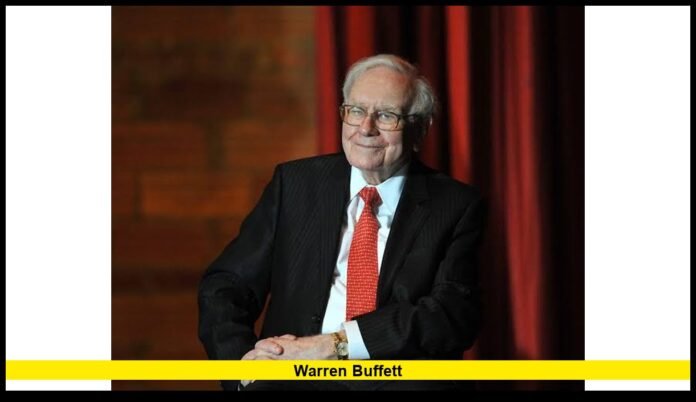

The Warren Buffett portfolio is undergoing an important transition in 2026 as Berkshire Hathaway operates under new leadership while several of its largest stock positions remain tied to investment decisions made during Buffett’s long tenure.
The latest publicly disclosed Berkshire Hathaway portfolio data covers the quarter ended June 30, 2026, while more recent SEC filings provide additional information about Berkshire’s activity after that reporting date. The June 30 portfolio showed major positions in Apple, American Express, Coca-Cola, Alphabet, Bank of America, Chevron, Occidental Petroleum, Chubb and Moody’s.
At the same time, Berkshire has continued making moves after the second-quarter reporting period. One of the clearest recent developments involves Lennar, where Berkshire substantially increased its position through purchases reported in late September and early October.
The changes matter because Berkshire is no longer being managed exactly as it was during Buffett’s tenure as chief executive officer. Greg Abel became Berkshire Hathaway’s CEO at the beginning of 2026, while Buffett later moved from chairman to chairman emeritus. Howard Buffett succeeded his father as non-executive chairman.
That leadership transition makes the latest Berkshire holdings especially important for anyone following the Warren Buffett portfolio and trying to understand which investments remain part of Berkshire’s core strategy.
What the Warren Buffett Portfolio Looks Like in the Latest Public Filing
Berkshire Hathaway’s second-quarter 2026 Form 13F was filed with the U.S. Securities and Exchange Commission on August 14, 2026. The filing covered holdings as of June 30.
The disclosed U.S. equity portfolio was valued at roughly $299.3 billion at the end of the quarter. The portfolio remained highly concentrated, with a relatively small number of companies accounting for most of its reported value.
The largest positions included:
| Company | Approx. value at June 30, 2026 | Approx. portfolio weight |
|---|---|---|
| Apple | $66.0 billion | 22.0% |
| American Express | $51.3 billion | 17.1% |
| Coca-Cola | $32.5 billion | 10.9% |
| Alphabet | $37.8 billion combined | 12.6% |
| Bank of America | $27.5 billion | 9.2% |
| Chevron | $14.0 billion | 4.7% |
| Occidental Petroleum | $12.9 billion | 4.3% |
| Chubb | $11.7 billion | 3.9% |
| Moody’s | $11.2 billion | 3.7% |
| Kraft Heinz | $7.7 billion | 2.6% |
Alphabet requires particular attention because Berkshire held both Class A and Class C shares. When the two classes are combined, Alphabet represented one of Berkshire’s largest investments.
The figures above reflect reported market values at the end of the second quarter. Stock prices have changed since June 30, so the current market value of individual positions can be materially different.
Apple Remains a Major Berkshire Holding
Apple continues to occupy a central position in Berkshire Hathaway’s publicly disclosed stock portfolio.
At June 30, Berkshire held approximately 227.9 million Apple shares, with the position valued at about $66 billion at the reporting date. That represented roughly 22% of the disclosed portfolio.
The size of the position illustrates how significant Apple became within Berkshire’s investment strategy.
Berkshire built Apple into one of its largest equity investments over several years. Buffett previously described Apple as a business with characteristics he particularly valued, including a powerful consumer brand, strong customer loyalty and significant cash generation.
The latest filing showed no major change in Berkshire’s Apple share count during the second quarter.
That stability is notable because Berkshire made several changes elsewhere in the portfolio during the same period. Apple therefore remained one of the clearest examples of a long-standing core holding.
American Express Remains Another Core Position
American Express was Berkshire’s second-largest disclosed stock holding at the end of June.
Berkshire owned approximately 151.6 million American Express shares, worth about $51.3 billion at the reporting date.
The company has been a major Berkshire investment for decades. Buffett has long viewed American Express as a business with a valuable brand and an attractive position within consumer and financial services.
The American Express stake was unchanged in the second quarter based on Berkshire’s 13F disclosure.
Its position in the portfolio also demonstrates an important characteristic of Berkshire’s strategy: the company often holds major investments for very long periods rather than trading them frequently.
Coca-Cola Continues Its Long-Term Role
Coca-Cola remained another cornerstone of Berkshire Hathaway’s portfolio.
Berkshire held approximately 400 million Coca-Cola shares at June 30, 2026. The stake was worth about $32.5 billion based on the quarter-end market value.
The Coca-Cola position has become one of the most recognizable holdings associated with Buffett’s investment history.
Unlike some newer Berkshire investments, Coca-Cola is not a recent addition. Berkshire has owned the company for decades, and the investment has become an important example of Buffett’s preference for businesses with durable brands and strong consumer demand.
The second-quarter filing showed no meaningful change in Berkshire’s Coca-Cola share count.
Alphabet Became a Major Berkshire Investment
Alphabet represents one of the most important developments in the latest Berkshire portfolio.
Berkshire substantially increased its Alphabet investment during the second quarter. Its combined Class A and Class C Alphabet holdings were worth roughly $37.8 billion at June 30.
That placed Alphabet among Berkshire’s largest stock investments, behind Apple and American Express but ahead of several traditional Berkshire holdings.
The change was significant because Alphabet was not historically one of Berkshire’s giant core positions.
Berkshire added roughly 45% to its Class A Alphabet position during the quarter and dramatically increased its Class C shares. The company therefore became a major part of Berkshire’s publicly disclosed equity portfolio.
The Alphabet investment also stands out because Google’s parent company has a major presence in digital advertising, cloud computing, artificial intelligence and YouTube.
The move shows that Berkshire’s publicly disclosed portfolio now has substantial exposure to a major technology and artificial-intelligence platform.
Bank of America Was Reduced
Bank of America remained one of Berkshire Hathaway’s largest stock holdings at the end of June, but Berkshire reduced its position during the second quarter.
The company held approximately 483.4 million shares at June 30, valued at about $27.5 billion.
The share count fell by roughly 30.2 million shares from the previous quarter, representing a reduction of about 5.9%.
Even after the reduction, Bank of America remained Berkshire’s fifth-largest reported U.S. equity position.
The move is significant because financial companies have historically represented an important part of Berkshire’s public-stock portfolio. A reduction in Bank of America therefore attracted considerable attention from investors monitoring Berkshire’s capital allocation.
However, the position remained substantial rather than disappearing from the portfolio.
Chevron and Occidental Remain Important Energy Holdings
Energy exposure continues to play a meaningful role in Berkshire’s stock portfolio.
Chevron was worth approximately $14 billion at the end of June, while Occidental Petroleum was worth about $12.9 billion.
Berkshire held approximately 84.4 million Chevron shares and 264.9 million Occidental Petroleum shares at the quarter-end reporting date.
Both companies represent significant energy exposure, but Berkshire’s relationship with Occidental is more complex than a standard stock holding.
Berkshire also owns Occidental preferred stock and other securities. Its June 30 financial statements showed an aggregate liquidation value of approximately $8.5 billion for Occidental preferred stock.
That means a simple 13F figure for Occidental does not represent Berkshire’s entire economic exposure to the company.
The distinction is important when evaluating the overall Warren Buffett portfolio because a 13F does not capture every type of investment Berkshire owns.
Chubb and Moody’s Remain Large Positions
Berkshire also maintained substantial investments in Chubb and Moody’s.
The Chubb position was worth approximately $11.7 billion at June 30. Moody’s was worth approximately $11.2 billion.
Both investments fit naturally into Berkshire’s long-running interest in businesses with strong competitive positions.
Chubb provides Berkshire with exposure to property and casualty insurance, a sector closely connected to Berkshire’s broader insurance operations.
Moody’s, meanwhile, gives Berkshire exposure to financial information and credit-rating services.
Neither position experienced the dramatic portfolio changes seen in Alphabet during the second quarter.
Kraft Heinz Remains a Large Consumer Investment
Kraft Heinz remained another substantial Berkshire holding.
Berkshire held roughly 325.6 million shares at June 30, with the position valued at approximately $7.7 billion.
The investment reflects Berkshire’s longstanding interest in consumer brands.
Kraft Heinz also illustrates why investors should not judge the portfolio solely by its newest additions. Berkshire continues to hold many businesses that have remained in its portfolio for years.
Other Important Holdings
Beyond the largest positions, Berkshire’s June 30 portfolio included several other publicly disclosed investments.
Among them were:
- DaVita
- Delta Air Lines
- Sirius XM
- VeriSign
- Kroger
- Liberty Live Holdings
- Ally Financial
- Lennar
- The New York Times
- Capital One Financial
- Louisiana-Pacific
- Nucor
- NVR
- Jefferies Financial Group
- D.R. Horton
- Macy’s
These smaller positions receive less attention than Apple or American Express, but they are still part of Berkshire’s disclosed U.S. equity portfolio.
Delta Air Lines was one of the notable additions during the second quarter. Berkshire increased its Delta position by roughly 44%, bringing the holding to approximately 57.3 million shares.
Berkshire also increased its Lennar position during the quarter.
The Latest Lennar Buying Changes the Picture
The most recent publicly disclosed activity gives Lennar an especially important place in the current discussion.
Berkshire purchased additional Lennar shares during October 1 and October 2, according to an SEC Form 4 filed October 5.
The filing reported purchases of more than 2.4 million additional Class A Lennar shares over those two trading days, along with additional Class B shares.
Following those transactions, Berkshire reported beneficial ownership of 28,438,045 Class A shares and 568,028 Class B shares through Berkshire subsidiaries.
The purchases followed additional Lennar buying in late September.
The recent transactions demonstrate why a quarterly 13F should not be treated as a real-time portfolio tracker. The June 30 filing showed only what Berkshire owned at the end of June. Subsequent SEC filings can reveal important transactions before the next quarterly 13F becomes available.
The Lennar purchases are therefore among the most current publicly documented developments connected with Berkshire’s stock portfolio.
Warren Buffett Is No Longer Berkshire’s CEO
The current Warren Buffett portfolio must also be viewed through Berkshire’s leadership transition.
Greg Abel became Berkshire Hathaway’s chief executive officer on January 1, 2026, succeeding Buffett.
Buffett later stepped down as Berkshire’s chairman and became chairman emeritus. Howard Buffett succeeded him as non-executive chairman.
That change means it is no longer accurate to describe every 2026 Berkshire investment as a new investment personally directed by Buffett.
Buffett remains closely associated with Berkshire and its investment culture, but the company now operates under Abel’s executive leadership.
This distinction matters when discussing recent portfolio moves.
The Alphabet expansion, Delta increase and recent Lennar purchases belong to Berkshire Hathaway’s current capital-allocation record. They should not automatically be described as personal trades made by Warren Buffett.
What the Latest Portfolio Says About Berkshire’s Strategy
The current holdings reveal a combination of continuity and change.
Apple, American Express, Coca-Cola, Chevron, Occidental Petroleum, Chubb and Moody’s demonstrate the continued importance of long-term investments.
Alphabet, however, represents a major expansion of Berkshire’s exposure to a large technology company.
The portfolio also remains highly concentrated.
The five biggest combined positions—Apple, American Express, Alphabet, Coca-Cola and Bank of America—accounted for roughly 69% of the disclosed portfolio at June 30 when Alphabet’s two share classes are combined.
That concentration is important because movements in a few major stocks can have a significant effect on Berkshire’s overall investment results.
At the same time, Berkshire maintains substantial liquidity outside the publicly traded equity portfolio.
Its June 30 quarterly filing showed approximately $359.2 billion in cash, cash equivalents and U.S. Treasury bills held by its insurance and other businesses, net of certain payables.
That liquidity gives Berkshire considerable flexibility for acquisitions, stock investments, share repurchases and other capital-allocation decisions.
Why the 13F Does Not Show the Entire Berkshire Portfolio
Investors searching for the Warren Buffett portfolio should understand the limitations of Form 13F data.
A 13F primarily reports certain U.S.-listed equity securities held by institutional investment managers.
It does not provide a complete picture of Berkshire Hathaway’s entire economic portfolio.
For example, the filing does not represent:
- Berkshire-owned operating companies such as GEICO and BNSF Railway
- Cash and Treasury bills
- Every private company investment
- Certain foreign securities
- All derivatives and other financial instruments
- Investments accounted for under different accounting methods
- Every form of preferred stock or other security
As a result, the roughly $299.3 billion 13F value should not be confused with Berkshire Hathaway’s total assets or total investments.
Berkshire’s June 30 financial statements reported total assets of more than $1.26 trillion.
The difference between those numbers is one reason investors should use 13F data as a snapshot of Berkshire’s disclosed public-equity holdings rather than as a complete balance-sheet picture.
When the Next Berkshire Portfolio Update Is Expected
The latest 13F available as of October 6 covers June 30, 2026.
Berkshire’s next quarterly portfolio filing will cover September 30, 2026. The filing will provide a more complete picture of the company’s public-stock positions during the third quarter.
Until that filing becomes public, investors must rely on SEC Form 4 reports, other regulatory disclosures and Berkshire’s own corporate filings to identify transactions that occurred after June 30.
This is particularly relevant for Lennar because Berkshire’s recent purchases occurred after the second-quarter portfolio snapshot.
The next 13F should help investors determine how much of Berkshire’s September-quarter activity is reflected in its broader reported equity portfolio.
Warren Buffett Portfolio: Key Takeaways
The latest information provides several clear conclusions.
- Apple remained Berkshire’s largest disclosed stock position at June 30.
- American Express remained the second-largest.
- Alphabet became one of Berkshire’s largest holdings after substantial second-quarter purchases.
- Coca-Cola remained a major long-term position.
- Bank of America remained a major holding despite a second-quarter reduction.
- Chevron and Occidental continued to provide significant energy exposure.
- Chubb and Moody’s remained major financial-sector investments.
- Berkshire increased its Delta Air Lines position during the second quarter.
- Berkshire continued buying Lennar after June 30.
- Buffett is no longer Berkshire’s CEO or chairman, so current Berkshire investments should not automatically be described as personal Buffett trades.
- The June 30 13F is the latest comprehensive public-equity snapshot available as of October 6, 2026.
The portfolio therefore combines many of Buffett’s long-standing investments with a newer period of capital allocation under Greg Abel.
For investors following Berkshire, the biggest question is no longer simply which companies Buffett owns. The more relevant question is how Berkshire’s investment portfolio evolves as Abel and the company’s investment managers make decisions after Buffett’s transition from active leadership.
Frequently Asked Questions
What is the Warren Buffett portfolio?
The term generally refers to Berkshire Hathaway’s publicly disclosed stock holdings because Berkshire has historically been the primary vehicle through which Buffett made major public-equity investments. It should not be interpreted as a complete list of Buffett’s personal assets.
What is Warren Buffett’s largest stock holding?
Apple was Berkshire Hathaway’s largest disclosed stock holding at June 30, 2026, with approximately 227.9 million shares valued at about $66 billion at the quarter-end market prices.
Is Apple still in the Warren Buffett portfolio?
Yes. Berkshire Hathaway continued to hold approximately 227.9 million Apple shares at June 30, 2026.
Did Warren Buffett buy Alphabet?
Berkshire Hathaway significantly increased its Alphabet holdings during the second quarter of 2026. However, current Berkshire transactions should not automatically be characterized as personal trades by Buffett because Greg Abel is now Berkshire’s CEO.
What happened to the Bank of America position?
Berkshire reduced its Bank of America holdings during the second quarter. It reported approximately 483.4 million shares at June 30, down about 30.2 million shares from the previous quarter.
Does Berkshire still own Coca-Cola?
Yes. Berkshire held approximately 400 million Coca-Cola shares at June 30, 2026, making Coca-Cola one of its largest long-term equity positions.
Did Berkshire buy more Lennar stock?
Yes. SEC filings show that Berkshire purchased additional Lennar shares in late September and again on October 1 and October 2, 2026. The latest transactions pushed Berkshire’s reported Lennar ownership substantially higher.
Is Warren Buffett still CEO of Berkshire Hathaway?
No. Greg Abel became Berkshire Hathaway’s CEO on January 1, 2026. Buffett later stepped down as chairman and became chairman emeritus, while Howard Buffett became non-executive chairman.
When was the latest Berkshire Hathaway 13F filed?
Berkshire filed its second-quarter 2026 Form 13F on August 14, 2026. It reported the company’s U.S. equity holdings as of June 30, 2026.
Does the 13F show everything Berkshire owns?
No. A 13F covers only certain reportable securities. It does not show Berkshire’s entire collection of operating businesses, cash, Treasury bills and every other investment or security.
The latest filings show that Berkshire’s public-stock portfolio remains concentrated in a handful of major companies while also evolving under Greg Abel’s leadership. The recent Lennar purchases add another important development to watch as investors await the next comprehensive quarterly portfolio disclosure.
What do you think about Berkshire’s latest portfolio moves under Greg Abel? Share your view and stay tuned for the next confirmed update.