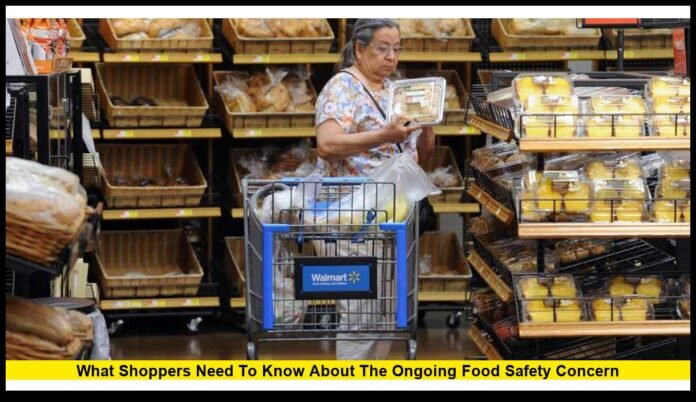

The phrase walmart recall listeria has once again made headlines, reminding U.S. shoppers of the importance of paying close attention to food safety alerts. In late September 2025, Walmart announced a new recall involving ready-to-eat Marketside pasta meals after tests confirmed the presence of Listeria monocytogenes. The decision to pull products from shelves came after government health agencies raised concerns that these meals could pose a serious health risk if consumed.
For families who regularly buy convenience meals at Walmart, this recall is unsettling — but understanding the details, risks, and protective steps can make all the difference.
What Sparked the Walmart Recall Listeria Alert
The recall specifically involves Marketside Linguine with Beef Meatballs & Marinara Sauce, a pre-packaged pasta dish sold at Walmart stores across the country.
During routine testing, regulators identified traces of Listeria monocytogenes in the linguine portion of the product. Because listeria is capable of causing severe illness — particularly among pregnant women, newborns, seniors, and those with weakened immune systems — the decision to recall was swift and comprehensive.
The affected products include best-by dates ranging from September 22 through October 1, 2025, with establishment codes EST. 50784 or EST. 47718. Consumers who purchased these trays are advised not to eat them under any circumstances.
How to Identify the Recalled Meals
If you have purchased ready-made pasta meals recently, take a moment to check your refrigerator or freezer. The following details will confirm whether your product is part of the recall:
- Brand: Walmart Marketside
- Product Name: Linguine with Beef Meatballs & Marinara Sauce
- Weight: 12-ounce tray packaging
- Best-By Dates: September 22, 24, 25, 29, 30, or October 1, 2025
- Inspection Codes: EST. 50784 or EST. 47718 inside the USDA mark of inspection
If your product matches any of these identifiers, do not consume it. Walmart has urged customers to discard the meals or return them to their local store for a full refund.
Why Listeria Is So Dangerous
Unlike many foodborne bacteria that cause short-term stomach upset, Listeria monocytogenes can result in listeriosis, a serious and sometimes fatal illness.
Symptoms of Listeriosis
- High fever and muscle aches
- Nausea or diarrhea
- Severe headaches
- Confusion, seizures, or loss of balance
- Neck stiffness
Groups Most at Risk
- Pregnant women: Listeria can cause miscarriages, premature labor, or stillbirth.
- Infants and newborns: Infections can be severe or life-threatening.
- Elderly adults: The infection can quickly escalate into septicemia or meningitis.
- Immunocompromised individuals: Those undergoing cancer treatment, living with chronic illness, or taking immunosuppressant drugs face higher risks.
The bacteria can survive and even multiply at refrigeration temperatures, which makes pre-packaged, ready-to-eat meals particularly vulnerable.
A Troubling Connection to Past Recalls
This latest walmart recall listeria isn’t happening in isolation. Earlier in 2025, a Listeria outbreak linked to chicken Alfredo meals sold at Walmart and Kroger caused multiple hospitalizations and several deaths. Investigations pointed to a shared supplier, raising alarms about weaknesses in the food production chain.
The fact that the same bacterial strain has now been linked to the linguine meals suggests that some of those vulnerabilities remain unresolved. For consumers, it highlights the importance of staying vigilant, even after a prior outbreak seems contained.
Walmart’s Immediate Response
Walmart has confirmed that it has pulled all affected products from shelves and is cooperating with food safety regulators. The company has also updated its recall page and placed notifications in stores to alert customers.
While the swift response helps minimize exposure, Walmart’s reputation is being tested. Millions of shoppers depend on its Marketside brand for quick, affordable meals. Any sign of contamination threatens to undermine consumer trust, especially when recalls happen in close succession.
Consumer Steps: What To Do If You Bought the Product
If you’ve purchased the affected Marketside linguine meals, here are the recommended actions:
- Stop and Check: Look at the package’s best-by date and inspection code.
- Don’t Take Chances: Even if the meal looks or smells normal, do not eat it. Listeria is invisible to the eye.
- Dispose Safely: Place the product in a sealed bag before discarding to avoid cross-contamination in your trash or kitchen.
- Clean Surfaces: Sanitize shelves, drawers, or countertops where the product was stored. Listeria can persist in cold environments.
- Monitor Symptoms: If you develop flu-like symptoms or gastrointestinal illness within the next two months, seek medical attention and mention possible listeria exposure.
The Wider Food Safety Impact
This incident raises broader questions about food safety in mass retail.
- Supply Chain Oversight: When one supplier provides ingredients for multiple products, contamination can spread widely.
- Testing and Monitoring: Routine checks are essential, but the frequency and rigor of testing need to improve to prevent contamination before it reaches shelves.
- Transparency with Consumers: Clear labeling, rapid alerts, and easily accessible recall information help reduce risk.
- Industry Accountability: Food manufacturers and retailers must implement stronger traceability measures to pinpoint problems quickly.
Consumer Confidence and Trust
For Walmart, the walmart recall listeria story isn’t just about food safety — it’s also about public trust. Shoppers may think twice before buying ready-to-eat meals if they worry about contamination.
At the same time, being proactive in removing products and openly communicating about recalls can help rebuild confidence. Customers appreciate swift, transparent action more than silence or delay.
What Shoppers Can Do to Stay Safe
Recalls are unsettling, but there are steps consumers can take to protect themselves:
- Check Recall Lists Frequently: Sign up for alerts from federal agencies or keep an eye on retailer recall pages.
- Handle Foods Carefully: Wash hands, utensils, and surfaces after handling packaged meals.
- Cook Thoroughly When Possible: Heating food to safe internal temperatures kills listeria. (Note: not all ready-to-eat meals are designed for reheating.)
- Stay Informed: Pay attention to local and national news for recall updates.
Looking Ahead
The latest recall underscores the need for stronger preventive measures in the food industry. For Walmart, it may mean reviewing its supplier agreements and demanding higher standards of testing and sanitation. For regulators, it may mean increasing audits and tightening reporting requirements.
For consumers, it’s a reminder that food safety begins with vigilance at home — checking labels, following alerts, and not ignoring recalls.
Final Thoughts
The walmart recall listeria alert is more than just another headline; it’s a reminder of how quickly contaminated food can reach households across the country. By identifying affected products, removing them from circulation, and staying alert to symptoms, families can take proactive steps to stay safe.
Walmart, like all major retailers, faces the dual challenge of ensuring both food safety and consumer trust. Shoppers, meanwhile, can protect themselves by remaining aware and cautious.
Have you checked your fridge yet? If you’ve purchased Marketside meals recently, it’s worth double-checking your labels today. Share your thoughts or experiences below and join the conversation about food safety in America.