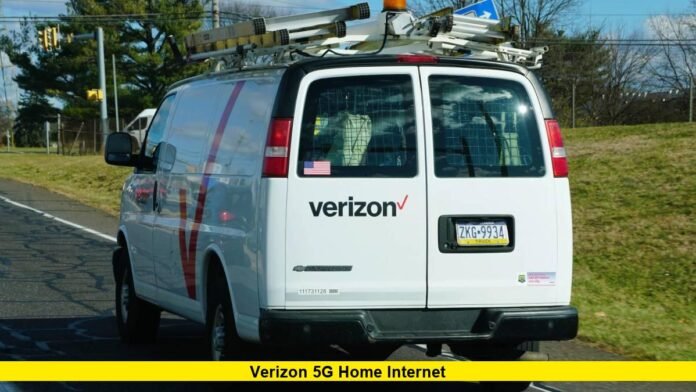

The surge in attention around verizon 5g home internet isn’t just another tech trend—it’s a reflection of how quickly home connectivity is changing in the U.S. Over the past few weeks, conversations have spiked as more households test wireless broadband as an alternative to cable and fiber. From pricing debates to speed comparisons, the service has become one of the most talked-about internet options right now.
What’s fueling the buzz is a mix of expanding availability, aggressive pricing, and a growing number of real-world user experiences being shared online.
Keep reading—because what people are discovering may change how you think about your own internet setup.
What Started the Conversation
The recent wave of attention began as Verizon expanded its 5G home coverage into more cities and neighborhoods, making the service accessible to a wider audience. With availability now reaching hundreds of cities across the U.S., more people are trying it for the first time.
At the same time, new pricing offers and bundled discounts made the service more appealing. Plans can start as low as around $35 per month with eligible discounts, putting it directly in competition with traditional broadband providers.
What Users First Noticed
One of the biggest talking points is how simple the setup is. Instead of waiting days for installation, many users report plugging in the gateway device and getting online within minutes.
That ease of use is especially attractive to renters and people who want a no-hassle alternative to cable. There are no annual contracts, and equipment is typically included, which adds to the appeal.
Speed is another early highlight. Depending on the plan and location, users are seeing download speeds ranging from around 85 Mbps to as high as 1 Gbps.
Old Internet Bills Sparked Comparisons
As more people shared their experiences, comparisons with traditional internet bills quickly followed.
Many users pointed out that they were paying similar—or even lower—monthly rates compared to cable providers. With base pricing often around $50 per month and discounts bringing it down further, the cost factor became a major part of the conversation.
However, not everyone is focused only on price. Some users noted that while savings are appealing, performance consistency matters just as much—especially for remote work and streaming.
What Social Media Users Are Saying
Online reactions have been mixed but highly engaged.
Some users are praising fast speeds, smooth streaming, and the flexibility of a wireless setup. For households with moderate internet usage, the service is being described as more than enough.
Others are pointing out that speeds can vary depending on network congestion, location, and even where the router is placed inside the home. Because the service relies on a cellular network, performance isn’t identical in every neighborhood.
The result? A growing conversation where both positive and cautious perspectives are gaining traction.
What Verizon Has Been Highlighting
As the conversation builds, Verizon has focused on key advantages that set its service apart.
These include unlimited data, no hidden fees, and multi-year price guarantees that help customers avoid unexpected rate increases.
The company has also emphasized speed tiers designed for different types of users—from basic browsing to high-demand households with gaming and 4K streaming needs.
Another major factor is continued network expansion. As 5G Ultra Wideband coverage grows, more users are able to access higher speeds and improved performance.
Why Home Internet Is Becoming a Bigger Debate
The rise of wireless home internet reflects a broader shift in how Americans think about connectivity.
With more people working remotely, streaming content daily, and relying on smart home devices, internet quality has become essential. That demand is pushing users to explore alternatives beyond traditional cable.
At the same time, competition among providers is heating up. Wireless options like Verizon’s are challenging long-standing providers by offering simpler pricing and easier setup.
Why Experiences Vary So Much
One of the most important things users are learning is that performance depends heavily on location.
Because the service runs on Verizon’s 5G network, factors like proximity to towers, signal strength, and network traffic all play a role in speed and reliability.
Even within the same city, experiences can differ. Some users report consistently high speeds, while others see fluctuations during peak usage hours.
This variation explains why the online conversation feels so divided—people are sharing very different experiences based on where they live.
What This Means for Internet Users
For many households, the growing attention is prompting a simple question: is wireless home internet ready to replace traditional broadband?
The answer depends on individual needs.
For users who value flexibility, easy setup, and competitive pricing, Verizon’s 5G option is becoming an increasingly attractive choice. For those who need ultra-consistent speeds for demanding tasks, it may still depend on local performance.
What’s clear is that consumers now have more choices than ever—and they’re actively comparing them in real time.
What Happens Next
The conversation around Verizon’s 5G home service is expected to keep growing as more people sign up and share their experiences.
With continued network expansion, evolving pricing strategies, and increasing competition, the home internet landscape is changing quickly.
As more households test wireless alternatives, real-world feedback will continue shaping how these services are perceived—and whether they become the new standard.
Are you considering switching your home internet, or sticking with what you have? Share your thoughts and stay tuned as this story continues to unfold.