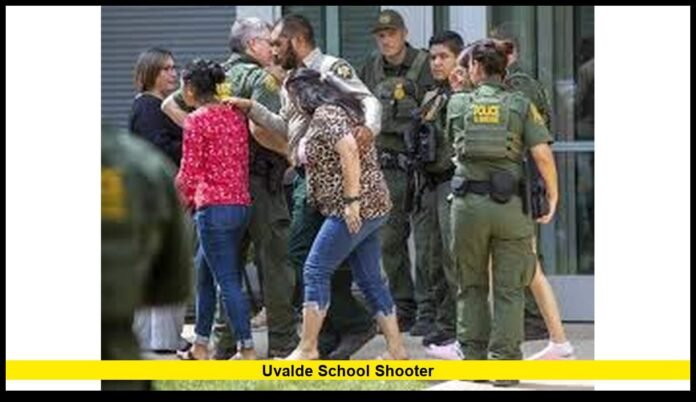

The uvalde school shooter case entered a new and consequential phase as a Texas courtroom began hearing criminal evidence tied to the law enforcement response to the Robb Elementary School massacre. For the first time since the 2022 tragedy that killed 19 children and two teachers, a police officer is standing trial over decisions made during the shooting — a moment many families have waited years to see.
The trial centers on former school district police officer Adrian Gonzales, whose actions on the day of the massacre are now under legal scrutiny. Prosecutors allege that critical failures in response contributed to preventable harm, while the defense argues that the circumstances were chaotic, dangerous, and misunderstood.
As testimony unfolds, the case has become one of the most closely watched criminal proceedings related to a school shooting in modern U.S. history.
A Tragedy That Changed Uvalde Forever
On May 24, 2022, a gunman entered Robb Elementary School in Uvalde, Texas, and carried out one of the deadliest school shootings in American history. Armed with a rifle, the attacker entered two connected fourth-grade classrooms and opened fire.
Nineteen students and two teachers were killed. Several others were injured, some with life-altering wounds. The shooter was eventually killed by law enforcement after an extended delay that would later become the central focus of national outrage and investigation.
The massacre left the Uvalde community shattered. Families lost children. Survivors endured lasting trauma. And the nation questioned how such devastation could unfold while hundreds of officers were present at the scene.
The Long-Awaited Criminal Trial Begins
Nearly four years later, the first criminal trial connected to the police response is now underway. Adrian Gonzales, a former officer with the Uvalde Consolidated Independent School District Police Department, faces 29 felony counts of child abandonment or endangerment.
Each count corresponds to a child who was either killed or wounded during the shooting.
Prosecutors allege that Gonzales was among the first officers inside the school and failed to take required action under active shooter protocols. They argue he did not attempt to confront the gunman, did not relay crucial information, and did not act with urgency despite knowing children were trapped.
If convicted, Gonzales faces potential jail time on each count, making this trial a rare instance in which a law enforcement officer may be criminally punished for inaction during a mass shooting.
Why the Trial Was Moved Out of Uvalde
The proceedings are taking place in Corpus Christi rather than Uvalde. Defense attorneys requested the change of venue, arguing that it would be impossible to assemble an impartial jury in the small town where the tragedy occurred.
Uvalde remains deeply affected by the shooting. Memorials still stand. Families of victims live side by side with officers who responded that day. Emotions remain raw, and public opinion is intense.
The move aims to ensure a fair trial while still allowing families and the public to witness the legal process.
Inside the Courtroom: Competing Narratives
During opening statements, prosecutors laid out a detailed timeline of Gonzales’ movements inside the school. They contend that he entered the building within minutes, heard gunfire, and had information that the shooter was barricaded with children — yet failed to act decisively.
According to the prosecution, active shooter training requires officers to immediately confront the threat, even without backup. They argue that delays cost lives.
The defense counters that Gonzales believed he was under fire, lacked proper equipment, and acted in good faith amid extreme confusion. Defense attorneys maintain that Gonzales helped evacuate students and could not reasonably have been expected to stop the shooter on his own.
The jury will ultimately decide whether his actions meet the legal threshold for criminal negligence.
A Case Unlike Any Other
Criminal prosecutions of police officers for response failures during mass shootings are exceedingly rare. While civil lawsuits are common, criminal charges represent a far higher bar.
In Uvalde, nearly 400 law enforcement officers from multiple agencies responded to the shooting. Only two individuals — Gonzales and former school police chief Pedro Arredondo — have faced criminal charges.
Arredondo’s case remains pending, with no trial date yet set.
The outcome of Gonzales’ trial could influence whether additional accountability measures are pursued and how future cases are handled nationwide.
The 77-Minute Delay That Sparked National Outrage
One of the most painful facts surrounding the Uvalde massacre is the length of time it took for officers to confront the shooter. Approximately 77 minutes passed between the initial police response and the moment officers breached the classroom and killed the gunman.
During that time, children inside the classroom repeatedly called for help.
Investigations later revealed confusion over command structure, miscommunication between agencies, and a failure to treat the situation as an active shooter event rather than a barricaded suspect.
Those findings have fueled public anger and demands for accountability — demands now playing out in a criminal courtroom.
Families Seek Accountability, Not Revenge
For families of the victims, the trial is about more than punishment. Many have said they want acknowledgment of failures and assurances that changes will prevent similar tragedies.
Parents of children killed in the shooting have attended court proceedings, listened to testimony, and spoken publicly about their grief. Survivors and relatives have emphasized that accountability is essential for healing.
Some families have also pursued civil lawsuits against government agencies, school officials, and law enforcement bodies, cases that remain ongoing.
Changes Since the Shooting
In the years following the massacre, Robb Elementary School was closed and later demolished. A new school, Legacy Elementary, was built in its place, designed with updated security features.
The Texas Legislature and local authorities implemented various school safety measures, including funding for campus security upgrades and emergency response training. However, debates continue over whether these steps address the root causes of such violence.
The Uvalde community continues to mark anniversaries of the tragedy with vigils, memorials, and calls for reform.
National Implications Beyond Uvalde
The uvalde school shooter case extends far beyond one Texas town. Legal experts across the country are closely watching the trial’s progress, recognizing its potential impact on policing standards and criminal liability.
If Gonzales is convicted, it could set a precedent for holding officers criminally responsible for failing to act during active shooter events. If acquitted, it may reinforce the legal protections officers receive when making split-second decisions under threat.
Either outcome will shape future debates over training, accountability, and expectations placed on law enforcement in crisis situations.
What Comes Next in the Trial
The trial is expected to last several weeks. Prosecutors plan to present testimony from law enforcement officials, emergency responders, and witnesses who were inside the school. Video footage, radio communications, and training materials are expected to play a central role.
The defense will challenge the prosecution’s interpretation of events and argue that Gonzales’ actions were reasonable under the circumstances.
Once testimony concludes, the jury will deliberate on each of the 29 counts individually.
A Defining Moment for Justice and Public Trust
For Uvalde, this trial represents a long-delayed moment of reckoning. For the nation, it raises difficult questions about responsibility, preparedness, and trust in institutions meant to protect children.
The courtroom proceedings cannot undo the harm done on May 24, 2022. But they may help define how accountability is measured when lives are on the line and seconds matter most.
Readers are encouraged to share their perspectives and continue following developments as this historic case unfolds.