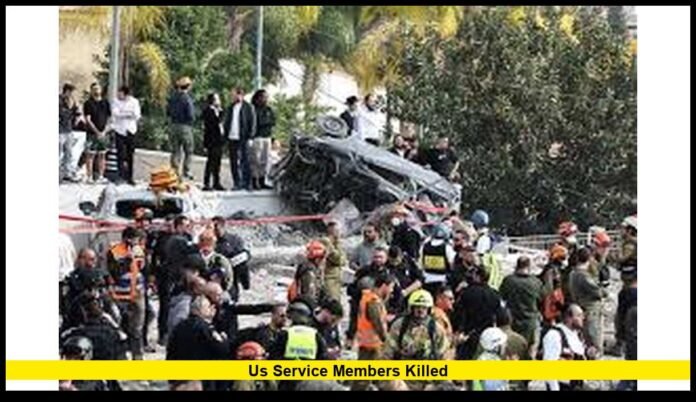

When reports surface about us service members killed, the information reaches the public only after a deliberate and carefully structured process. The U.S. military follows strict protocols to confirm identities, notify families, investigate circumstances, and honor those who lost their lives while serving. These procedures exist to protect accuracy, preserve dignity, and ensure that families receive official word before details appear publicly.
Understanding how this system works offers important clarity during moments of national grief. It also highlights the layers of responsibility that guide every announcement involving fallen service members.
The Immediate Response After a Fatal Incident
When a fatal incident occurs during combat operations, training exercises, or other military activities, commanders first secure the location and account for all personnel. Medical teams provide aid where possible, while leadership gathers verified information about what happened.
At this stage, officials focus on accuracy. They confirm the identities of those involved through personnel records, identification procedures, and unit verification. The military does not rely on preliminary assumptions or incomplete reports. Instead, leaders work through a chain of confirmation to ensure no errors occur before moving forward.
This attention to detail prevents misinformation and avoids additional trauma for families.
Multi-Step Identity Verification
The process of confirming identity involves several safeguards. Commanders cross-check service records, identification tags, and personnel rosters. Administrative teams review data to confirm name spellings, rank, duty station, and next-of-kin contact information.
This verification matters because errors can cause lasting harm. Even minor inaccuracies in reporting a name or hometown can affect family members and community recognition. For that reason, officials prioritize precision before making any public statement.
Only after identity confirmation does the notification process begin.
How Families Receive Notification
One of the most solemn duties in the armed forces involves notifying family members when a service member dies. The Department of Defense assigns specially trained casualty assistance officers to carry out this responsibility.
These officers deliver the news in person whenever possible. They approach the residence of the primary next of kin, identify themselves formally, and communicate the confirmed information with care and clarity. Military guidelines outline exactly how this notification must occur to ensure compassion and professionalism.
Until this step is complete, the military does not release the name publicly. This policy protects families from learning tragic news through media or social platforms.
The Role of Casualty Assistance Officers
Notification represents only the beginning of support. Casualty assistance officers remain assigned to the family for an extended period. They guide relatives through administrative paperwork, explain available benefits, coordinate funeral honors, and answer questions about investigations.
Families often face a complex system of benefits and entitlements. These can include death gratuity payments, survivor benefits, insurance coverage, and educational assistance for dependents. Casualty officers help ensure that families understand each step and receive entitled support promptly.
This long-term assistance reflects the military’s commitment to caring for survivors.
Public Announcement Procedures
After next of kin receive official notification, the relevant military branch issues a public statement. These announcements typically include the service member’s name, age, rank, assigned unit, and hometown. They also list the date and location of the incident.
Officials may limit specific operational details if investigations remain ongoing or if disclosure could compromise security. However, the core facts — identity, assignment, and confirmation of death — are clearly stated.
These public announcements serve both informational and ceremonial purposes. They formally recognize the individual’s service and acknowledge the loss on behalf of the nation.
Investigations and Accountability
Every fatal military incident triggers a formal investigation. The scope depends on the nature of the event. Combat-related deaths often undergo operational reviews. Training accidents may involve safety boards and technical evaluations. Aviation or vehicle incidents receive detailed mechanical analysis.
Investigators gather witness statements, review communications logs, analyze equipment data, and reconstruct timelines. Their goal is to determine the cause and identify whether policy changes or safety improvements are necessary.
These investigations may take weeks or months. Findings can influence future training standards, equipment upgrades, and command procedures.
Military Funeral Honors
When active-duty personnel die, they receive military funeral honors as recognition of their service. These honors reflect longstanding traditions rooted in respect and ceremony.
A flag-draped casket remains central to the service. Honor guard members fold the American flag in a precise sequence before presenting it to the next of kin. A rifle salute often accompanies the ceremony, followed by the playing of “Taps.”
Some service members qualify for burial at national cemeteries, including Arlington National Cemetery, depending on eligibility and family preference. These ceremonies draw fellow service members, family, friends, and community leaders together in shared remembrance.
National and Community Impact
The impact of losing service members extends beyond immediate families. Local communities often organize vigils, memorial services, and public tributes. Schools, government offices, and civic organizations pause to recognize the sacrifice.
Communities frequently highlight the hometown connection listed in official announcements. Residents gather to honor individuals who once walked the same streets, attended local schools, or volunteered in community events.
These gatherings reinforce the connection between military service and civilian life. They remind the public that those who serve come from neighborhoods across the country.
Media Responsibility and Accuracy
Because casualty reports carry deep emotional weight, responsible reporting remains essential. Media outlets typically wait for official confirmation before publishing names or details. This practice prevents the spread of rumors and protects families from confusion.
The structured approach to announcing us service members killed reflects a commitment to accuracy above speed. In an era of rapid digital sharing, this restraint ensures that verified information reaches the public without distortion.
Accuracy preserves dignity. It also maintains trust between the military, families, and the broader public.
Survivor Benefits and Long-Term Support
Beyond funeral honors, the military provides financial and practical assistance to survivors. Immediate death gratuity payments help families manage urgent expenses. Ongoing survivor benefit plans provide income support. Education programs offer tuition assistance for spouses and children.
Counseling services and peer support networks remain available to help families navigate grief. Military communities often rally around survivors, offering additional support through unit networks and veterans’ organizations.
These measures aim to ensure that families do not face long-term hardship alone.
The Broader Reality of Military Risk
Military service carries inherent risk. Personnel may deploy to combat zones, conduct high-intensity training, operate aircraft and heavy vehicles, or participate in humanitarian missions under challenging conditions.
The armed forces invest heavily in safety protocols, protective equipment, and training standards. However, even with these safeguards, danger remains part of service.
When fatalities occur, the structured reporting system reflects both accountability and honor. It acknowledges the sacrifice while examining how to prevent future loss.
National Remembrance and Reflection
The United States marks Memorial Day as a national day of remembrance for those who died while serving. Military bases, cemeteries, and communities hold ceremonies that include wreath-laying events and moments of silence.
These observances reinforce collective memory. They provide space for reflection and gratitude. They also underscore the enduring connection between citizens and those who volunteer to defend the nation.
Every official announcement carries not only facts but also recognition of duty fulfilled.
Transparency and Ongoing Updates
As investigations conclude, additional verified information may become public. Military officials sometimes release summaries of findings to explain causes or corrective actions. These updates demonstrate transparency while balancing operational security.
The structured system ensures that updates remain grounded in confirmed facts. This approach helps maintain public confidence and ensures that respect remains central at every stage.
The process surrounding reports of us service members killed reflects discipline, accountability, and solemn respect. From confirmation to notification, investigation to remembrance, each step follows clear guidelines designed to honor sacrifice and support those left behind.
Share your thoughts below and continue following updates as we honor the men and women who serve