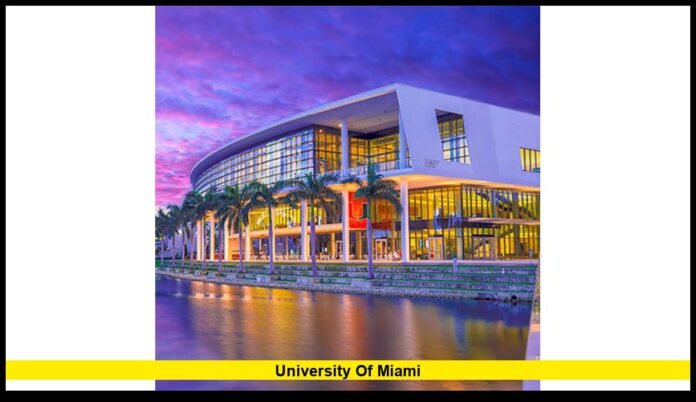

The University of Miami is entering 2026 with strong national visibility, driven by a combination of athletic success, academic expansion, research innovation, and growing student engagement. As one of the leading private research universities in the southeastern United States, the institution continues to strengthen its reputation across education, health sciences, global studies, and collegiate sports, while also investing heavily in campus life and student outcomes.
Located in Coral Gables, Florida, the University of Miami serves as both a major educational center and a cultural anchor for South Florida. Its influence now reaches well beyond the region, with increasing attention from prospective students, faculty, and research partners across the country.
Rising National Profile of the University of Miami
In early 2026, the University of Miami is experiencing heightened national interest. Media coverage, social engagement, and institutional rankings all reflect growing recognition of the university’s role in higher education, research, and athletics.
Several factors are contributing to this momentum:
- Continued investment in faculty recruitment and research facilities
- Expansion of academic programs aligned with workforce demand
- Increased visibility of the Hurricanes in high-profile athletic competition
- Strong alumni engagement across major U.S. cities
- A growing international student and partnership network
Together, these elements are reinforcing the University of Miami’s status as a destination institution for students seeking both academic rigor and a dynamic campus experience.
Athletics and the Hurricanes’ National Attention
Athletics remain a key driver of public interest in the University of Miami. The Hurricanes program, long associated with national prominence, has regained significant attention through competitive performance across multiple sports.
Football continues to be a focal point, with the program drawing large national audiences and generating substantial interest in recruiting, ticket demand, and alumni participation. Home games at Hard Rock Stadium and campus events in Coral Gables have seen increased attendance, reflecting renewed excitement around the program.
Beyond football, other varsity teams are also contributing to the university’s athletic profile:
- Men’s and women’s basketball programs continue to compete at the conference level.
- Baseball remains a cornerstone sport with a strong national following.
- Women’s soccer, tennis, and track programs are producing postseason appearances and individual honors.
Athletic success plays a broader role at the University of Miami by supporting school spirit, enhancing alumni connections, and raising the institution’s visibility among prospective students nationwide.
Academic Programs and Curriculum Innovation
The academic mission of the University of Miami remains central to its long-term growth strategy. In 2026, the university continues to modernize its curriculum and expand interdisciplinary offerings that reflect changes in technology, healthcare, business, and environmental science.
Key areas of academic development include:
Health Sciences and Medicine
The Miller School of Medicine and the School of Nursing and Health Studies are expanding clinical training, biomedical research, and public health initiatives. Programs now emphasize:
- Precision medicine
- Population health analytics
- Global health systems
- Translational research
These efforts strengthen the University of Miami’s role as a major medical education and research hub in the Southeast.
Business and Data Analytics
The Herbert Business School continues to broaden its focus on:
- Financial technology
- Artificial intelligence in business
- Supply chain management
- Entrepreneurship and innovation
New certificates and graduate tracks are designed to prepare students for leadership in rapidly evolving industries.
Engineering and Technology
The College of Engineering is increasing research activity in:
- Resilient infrastructure
- Robotics and automation
- Sustainable energy systems
- Marine and atmospheric engineering
These programs are closely connected to South Florida’s unique environmental and economic landscape.
Arts, Humanities, and Communication
The university’s schools of music, communication, architecture, and the arts remain nationally recognized, offering programs that integrate creative practice with digital media, design, and cultural studies.
Global Engagement and Study Abroad
International education is a core element of the University of Miami’s identity. In 2026, the institution continues to expand faculty-led and exchange programs that place students in academic settings across Europe, Asia, Latin America, and the Caribbean.
Global initiatives focus on:
- Public health and disaster response
- Marine science and coastal sustainability
- International business and finance
- Cultural heritage and urban development
These programs allow students to earn academic credit while gaining hands-on experience in diverse cultural and professional environments.
Research Growth and Innovation
Research funding and output remain key priorities for the University of Miami. The university supports a wide range of sponsored projects across health, climate science, engineering, and social sciences.
Notable areas of research strength include:
- Climate resilience and hurricane modeling
- Neuroscience and brain health
- Cancer biology and immunotherapy
- Oceanography and marine ecosystems
- Urban policy and demographic studies
Interdisciplinary centers and institutes foster collaboration between faculty, graduate students, and external partners, further positioning the University of Miami as a leader in applied and translational research.
Campus Life and Student Experience
Student life at the University of Miami reflects the institution’s blend of academic intensity and vibrant campus culture. In 2026, investments in housing, wellness, and student services continue to improve the overall experience.
Recent priorities include:
- Expansion of mental health counseling and wellness programs
- Upgrades to residence halls and dining facilities
- Enhanced career development and internship placement services
- Support for first-generation and international students
- Growth of student-led organizations and leadership programs
Cultural events, athletic competitions, and academic conferences contribute to a lively campus environment that attracts students from all 50 states and dozens of countries.
Admissions and Enrollment Trends
The University of Miami continues to be one of the most selective private universities in the region. Application volumes remain strong, supported by:
- National visibility of academic and athletic programs
- Competitive scholarship offerings
- A diverse and inclusive campus community
- Strong post-graduation employment outcomes
The admissions process emphasizes academic achievement, leadership, community involvement, and global perspective, aligning with the university’s mission to develop well-rounded graduates.
Alumni Network and Career Outcomes
With alumni located across major U.S. metropolitan areas and international business centers, the University of Miami maintains a powerful professional network. Graduates are represented in:
- Healthcare and biotechnology
- Finance and consulting
- Law and public service
- Media and entertainment
- Engineering and technology
Career placement rates and graduate school admissions remain key performance indicators for the institution, and partnerships with industry continue to expand internship and job pipelines for students.
Community Impact and Regional Leadership
The University of Miami plays a significant role in South Florida’s economic and cultural development. Through healthcare delivery, research commercialization, education, and public service, the university contributes to regional growth and innovation.
Community outreach includes:
- Medical clinics and public health programs
- Environmental conservation projects
- Educational partnerships with local schools
- Legal and business consulting services
- Arts and cultural programming open to the public
These initiatives reinforce the university’s commitment to service and civic engagement.
Looking Forward
As 2026 unfolds, the University of Miami stands at the intersection of academic excellence, research leadership, and national athletic visibility. Continued investment in faculty, facilities, student services, and global partnerships positions the institution for sustained growth and influence in the years ahead.
From its Coral Gables campus to its expanding international footprint, the University of Miami remains focused on preparing students for leadership in a rapidly changing world while strengthening its role as a premier U.S. research university.
Readers are invited to share their views on the University of Miami’s direction in 2026 and follow the latest developments as the campus community continues to evolve.