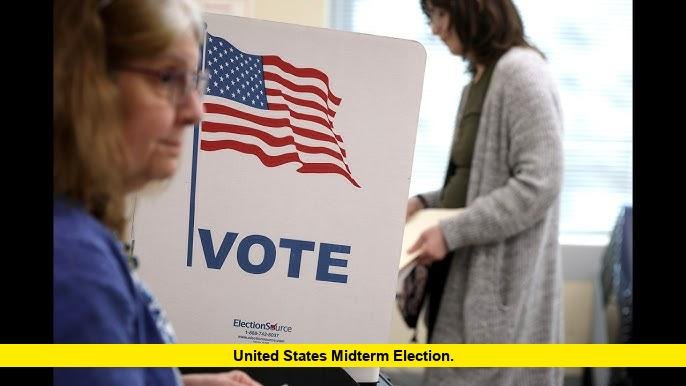

The united states midterm election is one of the most significant events in the American political calendar. Held halfway through a president’s four-year term, these elections determine control of Congress and influence the direction of federal and state governments. While the president is not on the ballot during midterm elections, the results often shape the remainder of the administration’s agenda and can have lasting effects on national policy.
Voter turnout, campaign strategies, and major national issues all contribute to the importance of midterm elections. The outcomes can alter legislative priorities, impact judicial appointments, and influence the political landscape leading into the next presidential election.
Understanding the United States Midterm Election
A United States midterm election takes place every four years, exactly two years after a presidential election. During these elections, Americans vote for members of Congress and many state and local officials.
The offices commonly contested include:
- All 435 seats in the U.S. House of Representatives
- Approximately one-third of the 100 seats in the U.S. Senate
- Numerous gubernatorial races
- State legislatures
- Local government positions
- Ballot initiatives and constitutional amendments in many states
Because every House seat is up for election, control of the chamber can shift significantly. Senate elections vary because senators serve six-year terms, with roughly one-third of seats contested every two years.
Historical Background
Midterm elections have been part of the American electoral system since the early years of the United States. The U.S. Constitution established staggered Senate terms and two-year House terms, creating the recurring election cycle that continues today.
Historically, the political party occupying the White House often loses seats in Congress during midterm elections. Political analysts refer to this as the “midterm penalty.” However, the extent of these losses varies depending on economic conditions, public opinion, national events, and voter turnout.
Several midterm elections have dramatically reshaped American politics by shifting congressional majorities and influencing legislative priorities for years afterward.
Why Midterm Elections Matter
Although presidential elections typically receive more public attention, midterm elections have substantial consequences.
The results determine who controls Congress, which directly affects the passage of legislation, federal spending, oversight investigations, and confirmation of many executive and judicial nominees.
Midterm elections also influence:
- Federal budget negotiations
- National security policies
- Tax legislation
- Healthcare reforms
- Immigration policy
- Infrastructure spending
- Environmental regulations
- Education funding
State-level races held during the same election cycle can also shape policies affecting millions of residents.
How the Election Process Works
The election process begins months before voters cast their ballots.
Candidates first compete in primary elections conducted by political parties. Primary winners then advance to the general election held on Election Day.
Voting methods vary by state and may include:
- In-person voting on Election Day
- Early in-person voting
- Mail-in or absentee voting
- Secure ballot drop boxes in jurisdictions where permitted
Each state establishes its own election procedures while complying with federal election laws.
Election officials oversee ballot counting, certification, and auditing procedures to ensure the integrity of the results.
Offices Elected During Midterms
The exact positions appearing on a ballot differ by state and locality.
Common races include congressional elections, but many voters also decide important statewide and local contests.
These may include:
- Governors
- Lieutenant governors
- Attorneys general
- Secretaries of state
- State legislators
- County commissioners
- Sheriffs
- School board members
- Judges in states with judicial elections
Many states also present ballot measures that allow voters to approve or reject proposed laws or constitutional amendments.
Major Issues That Influence Midterm Elections
The issues dominating a United States midterm election often reflect the nation’s most pressing concerns at that time.
Common campaign topics include:
- Economic growth
- Inflation
- Employment
- Healthcare
- Immigration
- National security
- Public safety
- Energy policy
- Education
- Taxes
- Government spending
- Foreign affairs
Candidates tailor their campaigns around the issues they believe matter most to their constituents.
The Role of Political Parties
Political parties play a central role in organizing campaigns, recruiting candidates, fundraising, and mobilizing voters.
The two major national parties dominate most congressional races, although independent and third-party candidates occasionally compete in various elections.
Party organizations invest substantial resources in competitive districts and states where control of Congress could change.
Campaign messaging often focuses on both local concerns and broader national priorities.
Campaigning in the Digital Age
Modern midterm campaigns rely heavily on digital communication alongside traditional campaigning.
Candidates commonly use:
- Television advertising
- Radio advertising
- Social media platforms
- Online fundraising
- Email campaigns
- Text messaging
- Public debates
- Community events
- Volunteer outreach
Digital technology enables campaigns to reach targeted audiences quickly while providing voters with immediate access to campaign information.
Voter Turnout and Participation
Midterm elections generally attract lower voter participation than presidential elections, although turnout has increased in several recent election cycles.
Many factors influence voter participation, including:
- Public interest in current events
- Competitive races
- Voter registration efforts
- Early voting availability
- Mail voting options permitted under state law
- Public confidence in the election process
Higher participation often results in outcomes that reflect a broader cross-section of eligible voters.
Congressional Control After Midterms
One of the most closely watched aspects of every United States midterm election is determining which party controls Congress.
Control of the House and Senate affects:
- Committee leadership
- Legislative priorities
- Oversight hearings
- Budget negotiations
- Confirmation of many presidential appointments
- The ability to advance or block proposed legislation
If different parties control the White House and one or both chambers of Congress, divided government can lead to greater negotiation or legislative gridlock, depending on political circumstances.
Election Security and Administration
Election security remains an important aspect of every federal election.
Federal agencies, state election officials, and local administrators work together to protect election systems.
Security measures commonly include:
- Voter registration verification
- Secure ballot handling
- Voting equipment testing
- Post-election audits
- Cybersecurity protections
- Chain-of-custody procedures
- Certification processes established by state law
Election procedures continue to evolve as states update laws and administrative practices.
Preparing for Future Midterm Elections
Eligible voters can prepare by staying informed about registration deadlines, polling locations, early voting periods, and absentee voting requirements established by their state.
Many states provide online tools allowing voters to:
- Verify registration status
- Find polling locations
- Track absentee ballots where available
- Review sample ballots
- Learn about local races
Understanding the offices on the ballot helps voters make informed decisions before Election Day.
Latest Updates
As of today, the next United States midterm election is scheduled for November 3, 2026. Voters across the country are preparing to elect all 435 members of the U.S. House of Representatives, approximately one-third of the U.S. Senate, and numerous governors, state legislators, and local officials.
Campaign activity has intensified in competitive congressional districts and key Senate races. Candidates from multiple political parties continue fundraising, participating in debates, and presenting policy proposals to voters. Final candidate lists, ballot measures, and election procedures vary by state, and election officials continue to publish updated information as statutory deadlines approach.
Because campaigns evolve throughout the election cycle, some races remain highly competitive. Where outcomes are not yet determined, there is no official confirmation of election results until votes are cast, counted, certified, and officially declared by the appropriate election authorities.
Final Thoughts
The United States midterm election remains a cornerstone of American democracy, providing voters with the opportunity to influence the composition of Congress and many state and local governments. These elections affect legislative priorities, government oversight, public policy, and the balance of political power across the country.
Whether focusing on congressional races, gubernatorial contests, or local ballot initiatives, informed participation helps strengthen the democratic process. By understanding how midterm elections work and the offices being contested, voters can better appreciate the importance of every election cycle and its impact on governance at every level.
Share your thoughts in the comments or stay updated as the 2026 United States midterm election continues to develop.