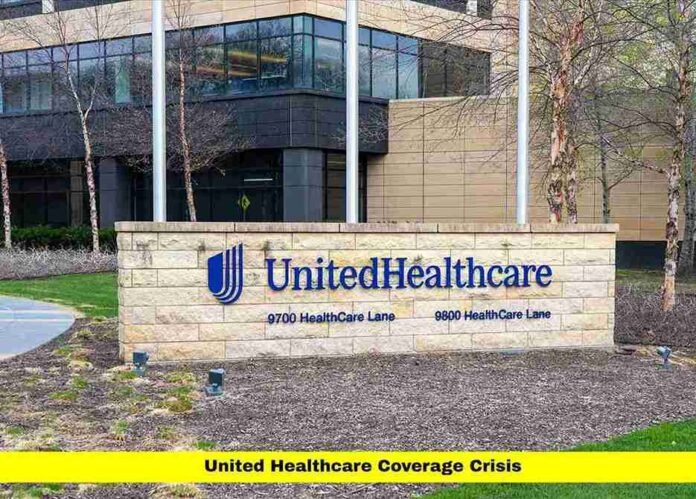

United Healthcare remains at the center of a rapidly unfolding coverage crisis as patients, hospitals, and physicians across the United States confront contract breakdowns, reimbursement disputes, and shrinking provider access. In early 2026, these tensions have intensified, creating uncertainty for millions of people who rely on stable insurance coverage for routine, chronic, and emergency care. What began as isolated contract disagreements has evolved into a nationwide issue with far-reaching consequences for patients and healthcare systems alike.
A National Coverage Disruption Takes Shape
Over the past year, disagreements between major insurers and healthcare providers have escalated. In this case, unresolved contract negotiations have resulted in doctors leaving networks, hospitals warning of service reductions, and patients scrambling to understand their options. These developments are not theoretical or speculative. They are unfolding in real time and affecting care delivery in communities across multiple states.
Patients have reported receiving notices that their long-time physicians may no longer accept their plans. Others have encountered unexpected out-of-network charges after years of stable coverage. The lack of clarity has amplified anxiety, particularly among seniors and individuals managing ongoing medical conditions.
Why Reimbursement Rates Are Driving the Conflict
At the core of the crisis lies a fundamental disagreement over reimbursement. Healthcare providers argue that payments have not kept pace with rising operational costs. Staffing shortages, wage increases, advanced medical equipment, and emergency preparedness expenses continue to climb. Hospitals maintain that current payment structures fail to reflect the real cost of delivering care.
Insurers counter that unchecked reimbursement growth would lead to higher premiums and increased out-of-pocket expenses for consumers. This standoff has created a stalemate, leaving patients caught between two powerful sides with competing financial priorities.
Lakeland Patients Face Immediate Consequences
In Lakeland, Florida, patients have become one of the most visible examples of how these disputes translate into real-world disruption. Physicians and medical groups serving the area have either exited networks or warned of potential contract expirations. As a result, many residents received notices during critical enrollment windows.
For seniors and families, the timing has been particularly challenging. Some individuals discovered the changes only when scheduling appointments. Others learned about them after receiving bills that reflected out-of-network rates. The uncertainty has disrupted treatment plans and strained patient-provider relationships built over decades.
Hospitals Warn of Service Reductions
Hospitals involved in reimbursement disputes have raised concerns about maintaining full-service operations. Emergency departments, trauma centers, and specialized units require constant staffing and readiness, regardless of patient volume. When reimbursement falls below sustainable levels, hospitals warn that difficult decisions may follow.
Administrators emphasize that emergency care cannot be scaled back easily. Reductions in staffing or services could impact response times and patient outcomes. These warnings have added urgency to negotiations, but resolutions remain uneven across regions.
Physician Groups Exit Networks
Physician groups, particularly independent practices, face unique pressures. Lower reimbursement can threaten financial viability, especially for smaller practices without large system backing. As a result, some doctors have chosen to exit insurance networks entirely.
For patients, these exits often mean losing access to trusted providers. Transitioning care involves transferring records, reestablishing treatment plans, and building new relationships. For those managing complex conditions, the disruption can be especially distressing.
Medicare Advantage Withdrawals Reshape Options
One of the most significant developments in 2026 is the withdrawal of Medicare Advantage plans from numerous counties. Beneficiaries affected by these changes must now navigate new plan selections, often under tight deadlines.
Many seniors selected their plans based on specific provider access or prescription coverage. The sudden need to switch plans or providers has created confusion and concern. Advocacy groups warn that limited options may lead to higher costs or reduced access to care for vulnerable populations.
Emergency Care Billing Practices Under Scrutiny
Emergency care billing has become another flashpoint. Hospitals have raised alarms about claims review systems that reassess emergency visit coding. These systems may lower reimbursement by reclassifying visits, even when clinicians determined higher-level care was necessary.
Providers argue that such practices undermine medical judgment and discourage hospitals from expanding emergency services. The financial strain could be especially severe in regions with high emergency care demand and limited alternative facilities.
Legal Challenges and Policy Attention
As disputes deepen, legal challenges have emerged. Healthcare systems argue that reimbursement practices violate fair payment standards and threaten access to essential services. These cases have drawn attention from policymakers and regulators monitoring the balance between cost control and patient access.
While court proceedings continue, patients remain in limbo. Legal outcomes may shape future contract negotiations, but they do not offer immediate relief for those facing coverage disruptions today.
Market Power and Negotiation Imbalances
The size and influence of large insurers play a significant role in these negotiations. Hospitals argue that market concentration gives insurers leverage to impose terms that smaller providers cannot absorb. Independent hospitals and rural facilities report heightened vulnerability.
Employers and consumers, however, rely on insurers to negotiate lower rates to keep premiums manageable. This dynamic highlights a structural challenge within the healthcare system, where cost containment efforts can clash with provider sustainability.
Patient Experiences Reflect the Human Cost
Behind every contract dispute is a patient navigating uncertainty. Families report hours spent on phone calls seeking clarity. Seniors worry about losing access to specialists. Parents fear interruptions in pediatric care.
The emotional toll is compounded by financial concerns. Unexpected bills, higher copays, and out-of-network charges place added stress on households already managing rising living costs.
Steps Patients Are Taking to Protect Access
Patients are responding in various ways. Some are switching plans during enrollment periods, while others are paying higher costs to retain their doctors. Advocacy organizations encourage proactive communication with providers and careful review of plan documents.
While these steps may reduce surprises, they require time, health literacy, and resources that not all patients possess. The burden often falls hardest on the elderly and those with limited support.
Broader Implications for Healthcare Access
The unfolding crisis underscores broader issues in the U.S. healthcare system. Rising costs, complex reimbursement models, and fragmented negotiations contribute to recurring instability. As these challenges persist, access to care becomes increasingly fragile.
Industry observers note that 2026 could mark a turning point. Ongoing disputes may influence how future contracts are structured and how reimbursement fairness is evaluated. Policymakers are paying closer attention as patient complaints grow louder.
What the Months Ahead May Bring
Some regions may reach negotiated agreements that restore stability. Others may experience prolonged disruptions if compromises remain elusive. Healthcare leaders emphasize the need for sustainable solutions that balance affordability with provider viability.
For now, uncertainty defines the landscape. Patients, providers, and insurers continue to navigate a system under strain, with outcomes that will shape healthcare access for years to come.
A System at a Crossroads
This moment reflects more than a single insurer-provider conflict. It highlights the fragility of healthcare access when financial pressures collide. The decisions made in 2026 will influence how care is delivered, funded, and accessed across the country.
As patients adapt to changing networks and coverage options, the need for transparency and stability has never been clearer.
How these coverage disruptions unfold will affect millions—share your thoughts or stay engaged as this critical healthcare story continues to develop.