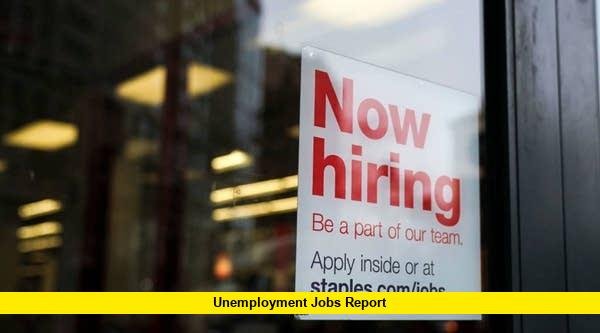

The latest unemployment jobs report paints a clear picture of a U.S. labor market that has entered a slower, more cautious phase. After years of rapid hiring and strong job creation, employers are pulling back, job growth has softened, and workers are feeling the shift. While unemployment remains relatively low, the pace of new opportunities has cooled, raising important questions about where the economy is headed in 2026.
This shift does not point to an immediate crisis, but it does reflect a labor market that is adjusting to economic pressure, changing business priorities, and tighter expectations around growth. The data reveals a workforce that is stable on the surface, yet increasingly strained beneath it.
Job Creation Falls Well Below Recent Norms
The most recent employment data shows that U.S. employers added only a modest number of jobs in December. Compared to the strong monthly gains seen in previous years, this figure represents a sharp slowdown and confirms that hiring momentum has weakened considerably.
Payroll growth remained limited across much of the economy. While some industries continued to add workers, many others stalled or cut positions altogether. The overall result was a month that delivered stability rather than strength.
Although the unemployment rate ticked slightly lower, this change did not stem from robust hiring. Instead, it reflected subtle shifts within the labor force itself, including fewer people actively seeking work.
A Full Year of Slowing Momentum
Zooming out, the broader picture from 2025 shows one of the weakest years for job growth since the pandemic recovery period. Employers added far fewer jobs over the course of the year than in 2024, marking a clear slowdown in labor demand.
Average monthly job gains dropped dramatically, signaling that businesses across sectors became more cautious as the year progressed. Rather than expanding headcount, many companies focused on controlling costs, improving productivity, and stabilizing existing operations.
This environment has created a labor market where layoffs are not widespread, but hiring is selective and conservative. For job seekers, this can feel just as challenging as a downturn, especially when openings are limited.
Where Jobs Are Still Being Added
Despite the overall slowdown, some sectors continued to show resilience.
Healthcare and social services remained the strongest source of job growth. Demand for healthcare workers has stayed high due to population trends, staffing shortages, and the ongoing need for medical and support services. This sector has become a key stabilizer for the labor market.
Hospitality and food services also posted gains, supported by steady consumer spending on dining and leisure. While growth here has cooled compared to earlier years, employers still added positions to meet ongoing demand.
Government employment, particularly at the local level, contributed modest gains as municipalities filled essential roles and addressed staffing gaps.
These sectors now account for a growing share of new jobs, highlighting how concentrated hiring has become.
Industries Facing Job Losses
At the same time, several major industries experienced continued job losses.
Retail employment declined as large chains adjusted staffing levels in response to shifting consumer behavior, online competition, and inventory pressures. Seasonal hiring was weaker than usual, and many retailers entered the new year with leaner workforces.
Manufacturing shed jobs as factories faced softer demand, rising costs, and uncertainty around global trade conditions. Automation and efficiency improvements also reduced the need for additional labor.
Construction employment moved lower as fewer projects broke ground. Financing conditions, higher borrowing costs earlier in the year, and cautious investment slowed activity in both residential and commercial construction.
These losses underscore how sensitive certain industries are to broader economic shifts.
Revisions Highlight Earlier Weakness
Updates to previous employment data revealed that job growth earlier in the fall was weaker than initially reported. Downward revisions removed tens of thousands of jobs from earlier estimates, reinforcing the view that the labor market began slowing well before the end of the year.
Such revisions matter because they reshape the overall trend. Rather than a sudden slowdown in December, the data suggests a gradual loss of momentum stretching back several months.
This pattern points to structural caution rather than a temporary pause.
Labor Force Participation Remains a Concern
Labor force participation showed little improvement, indicating that many working-age Americans remain on the sidelines. Some have exited the workforce entirely, while others are delaying job searches due to limited opportunities or personal constraints.
A stagnant participation rate can mask underlying weakness. Even when unemployment appears low, fewer people working or seeking work can signal reduced confidence in the availability of jobs.
This trend is particularly concerning for prime-age workers, as prolonged detachment from the labor force can make reentry more difficult over time.
Long-Term Unemployment Persists
Another notable feature of the current labor market is the persistence of long-term unemployment. A growing share of unemployed individuals have been without work for six months or longer.
Extended job searches often lead to financial strain, skill erosion, and reduced earnings potential. For these workers, a slow-hiring environment compounds existing challenges and limits options.
This dynamic adds pressure to social safety nets and highlights the importance of targeted employment opportunities in high-demand fields.
Wage Growth Offers Limited Relief
Despite slower hiring, wages continued to rise. Average hourly earnings increased at a pace that outperformed inflation, helping preserve purchasing power for employed workers.
Higher wages provide a cushion for households facing rising living costs, but they also reflect a labor market where employers are paying more to retain existing staff rather than expanding payrolls.
For workers already employed, this can be a positive development. For job seekers, however, wage gains do little to offset the difficulty of finding new opportunities.
What the Data Means for Employers
For businesses, the current labor environment supports a more measured approach to hiring. Companies are focusing on efficiency, automation, and workforce optimization rather than aggressive expansion.
This strategy reduces risk in an uncertain economic climate but can also slow innovation and growth if prolonged. Employers remain cautious, balancing the need to maintain operations with concerns about future demand.
As a result, hiring decisions are more strategic and selective, favoring critical roles over broad recruitment.
Implications for Economic Policy
The labor market slowdown has direct implications for economic policy. Softer job growth eases pressure on inflation and gives policymakers greater flexibility in shaping interest rate decisions.
However, persistent weakness could signal deeper economic challenges if hiring continues to stall. Policymakers will closely monitor employment data to determine whether current conditions represent stabilization or further cooling.
Labor market health remains one of the most important indicators guiding economic strategy in 2026.
What Workers Should Expect Next
For American workers, the current environment calls for adaptability. Job mobility has decreased, and competition for openings has intensified. Workers in resilient sectors may continue to see opportunities, while others may need to reskill or explore new industries.
Those currently employed may benefit from wage stability, but fewer job openings reduce leverage in negotiations and career advancement.
The latest unemployment jobs report serves as a reminder that while the labor market is not collapsing, it is no longer providing the broad opportunities seen in recent years.
Outlook for the Months Ahead
As the new year unfolds, the labor market is expected to remain cautious. Hiring may continue at a slow pace, shaped by economic uncertainty, evolving consumer demand, and shifting business strategies.
Any signs of acceleration or further slowdown will be closely watched, as they could signal the next phase of the economic cycle.
For now, the data points to a labor market that is steady but strained, resilient yet restrained, and entering a period of adjustment rather than expansion.
How do you see these labor market shifts affecting your career or industry? Share your perspective and stay connected for more updates.