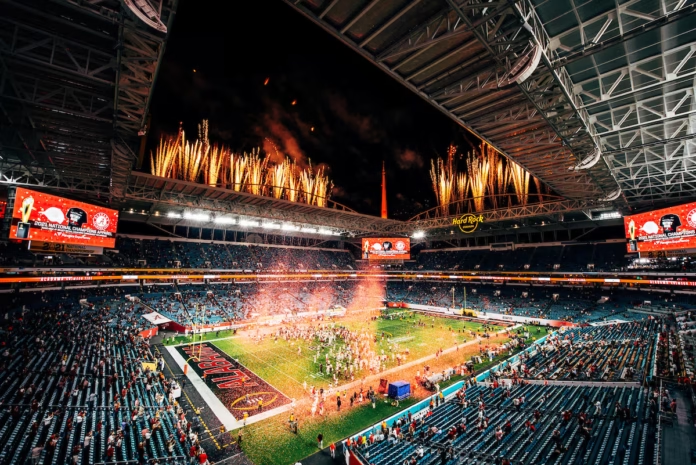

The umiami game took center stage in college football on January 19, 2026, as the University of Miami Hurricanes faced the undefeated Indiana Hoosiers in the College Football Playoff National Championship at Hard Rock Stadium in Miami Gardens, Florida. With a packed stadium, nationwide television audience, and historic stakes on the line, this matchup delivered one of the most compelling title games in the modern era.
From record-breaking ticket demand to elite quarterback play and a battle between two programs on very different historical paths, the championship clash captured everything fans expect from the sport’s biggest night.
How Miami Reached the National Championship
Miami entered the playoff as a lower seed, but the Hurricanes quickly proved they belonged among the nation’s elite. The team finished the regular season with a 13–2 record and then put together a dominant postseason run.
In the opening round, Miami defeated Texas A&M with a physical, defense-driven performance. That victory set up a quarterfinal showdown against Ohio State, where the Hurricanes controlled the tempo and secured a convincing win that turned national attention toward their resurgence.
The semifinal matchup in the Fiesta Bowl brought Miami against Ole Miss in one of the most dramatic games of the postseason. Trailing late, the Hurricanes mounted a final-quarter drive that ended with a game-winning touchdown, sending the program to its first national championship appearance in more than two decades.
Playing the title game in their home state added another layer of intensity. Hard Rock Stadium was filled with a sea of orange and green, creating an environment that felt more like a home finale than a neutral-site championship.
Indiana’s Perfect Season and Historic Opportunity
On the opposite sideline stood a team chasing history. Indiana arrived at the championship with a flawless 15–0 record and the top seed in the playoff. The Hoosiers had already defeated two powerhouse programs in the postseason and entered the title game with the chance to become the first team in major college football history to finish a season 16–0.
The engine of Indiana’s offense was quarterback Fernando Mendoza, whose Heisman Trophy-winning season had elevated the program to national prominence. His ability to extend plays, read defenses, and deliver accurate throws under pressure transformed the Hoosiers from a solid contender into a championship favorite.
Indiana’s defense also played a crucial role throughout the season, ranking among the nation’s best in points allowed and red-zone efficiency. Their balanced roster and disciplined approach made them one of the most complete teams in the country.
Record Demand and National Attention
The championship atmosphere surrounding the umiami game extended far beyond the field. Ticket prices reached historic levels, with secondary-market entry costs surpassing four thousand dollars, making this one of the most expensive College Football Playoff games ever.
Fans traveled from across the country to witness the showdown, filling hotels, restaurants, and entertainment districts throughout South Florida. The economic impact mirrored that of major professional championship events, underscoring the growing commercial power of college football.
The pregame ceremony added to the spectacle, featuring a nationally recognized musical performance, a military flyover, and appearances by prominent public figures. The pageantry reinforced the event’s status as one of the largest sporting stages in the United States.
Key Matchups That Defined the Game
Quarterback Battle
The spotlight naturally focused on the two quarterbacks. Miami’s Carson Beck entered the game having led multiple comeback drives during the postseason. His poise, arm strength, and decision-making made him the centerpiece of the Hurricanes’ offense.
Across the field, Fernando Mendoza represented the future of the sport, combining elite passing accuracy with mobility that kept defenses off balance. The duel between Beck and Mendoza became one of the most anticipated storylines leading into kickoff.
Trench Warfare
Both offensive lines had been among the most consistent units in the nation all season. Miami relied heavily on its running game to control possession, while Indiana’s front five provided Mendoza with the protection needed to attack downfield.
Defensively, each team featured aggressive pass rushers who pressured quarterbacks and forced quick decisions. The ability to win in the trenches ultimately shaped the rhythm of the game.
Game Flow and Turning Points
The opening quarter set the tone with physical defense and methodical drives. Indiana struck first with a sustained march down the field that ended in a touchdown, establishing early momentum. Miami responded with a scoring drive of its own, mixing short passes with explosive runs to keep the Hoosiers’ defense guessing.
As the game progressed, both teams traded scores in a contest defined by discipline and execution rather than mistakes. Special teams also played a role, with field position battles and critical returns influencing drive starts.
One of the most pivotal moments came in the third quarter when Miami broke through with a long touchdown run that ignited the crowd and shifted momentum. Indiana answered with a precise passing sequence, reminding everyone why they entered the game undefeated.
The fourth quarter featured high-stakes decisions, clock management, and defensive stands that kept the outcome in doubt until the final minutes.
Injuries and Adjustments
Miami entered the championship without one of its key tight ends, forcing adjustments in offensive formations and red-zone strategy. The Hurricanes compensated by spreading the field and relying more heavily on wide receivers and running backs in the passing game.
Indiana, meanwhile, leaned on depth along its defensive line to maintain pressure throughout the contest, rotating players to keep energy high late in the game.
What the umiami game Means for the Sport
The 2026 national championship reflected the evolving landscape of college football in several important ways.
Expanded Parity
Indiana’s rise to the top and Miami’s return to prominence highlighted a shift toward greater parity in the playoff era. Programs outside the traditional group of perennial champions demonstrated that sustained development and elite recruiting can quickly change national standing.
Home-State Advantage on a National Stage
Although the championship is designated as a neutral-site event, Miami’s presence in its home state created an atmosphere rarely seen in title games. The energy of the crowd, the familiarity with the venue, and the regional support added a unique dynamic to the contest.
Growing National and Global Interest
Television ratings and social media engagement surrounding the championship illustrated how college football continues to expand its reach. The combination of historic storylines, star players, and dramatic postseason paths attracted viewers well beyond the traditional fan base.
A Night That Will Be Remembered
Regardless of the final score, the championship between Miami and Indiana will be remembered as one of the defining games of the decade. It showcased elite athletic performance, strategic coaching, and the emotional weight that only a national title can bring.
For Miami, the appearance confirmed the program’s return to the sport’s highest level. For Indiana, the journey represented one of the most remarkable seasons in college football history, setting a new standard for what the program can achieve.
The umiami game did more than crown a champion. It delivered a reminder of why college football remains one of the most compelling and passionately followed sports in the United States.
What did you think of this unforgettable championship showdown? Share your thoughts and stay tuned for more college football updates.