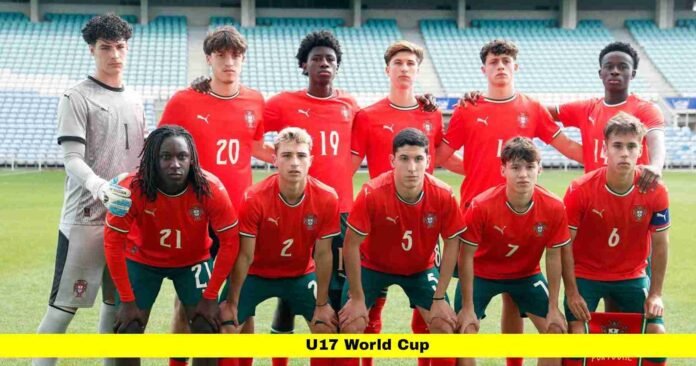

The U17 World Cup has returned with a brand-new look and larger ambitions. The 2025 edition, hosted by Qatar from November 3 to 27, has already grabbed attention for its expanded format, record number of participating teams, and impressive young talent. This marks the first time that the U17 World Cup features 48 teams, doubling the participation from previous tournaments and bringing youth football to a new level of global inclusivity and excitement.
Expanded Format and Hosting by Qatar
The 2025 U17 World Cup represents a historic shift in how FIFA approaches youth football. Expanding the tournament to 48 teams for the first time allows greater representation from every confederation and showcases emerging football nations. This decision was part of FIFA’s long-term strategy to make the youth World Cup more inclusive and globally visible.
Qatar has been awarded hosting rights for five consecutive editions of the tournament, spanning from 2025 to 2029. The decision reflects FIFA’s confidence in Qatar’s world-class infrastructure and its commitment to nurturing football development. All matches are being held within Doha’s state-of-the-art stadiums, including venues built for the 2022 FIFA World Cup. Concentrating the matches in one city has made logistics smoother for players, teams, and fans, while also creating a unique festival atmosphere where global cultures meet through football.
Notable Matches and Highlights from the Group Stage
The early stages of the 2025 U17 World Cup have already produced some exciting clashes. In one of the opening fixtures, Germany U17 faced Colombia U17 in a tightly contested match that ended in a 1–1 draw. Germany opened the scoring early, but Colombia equalized in the second half with a well-placed finish, showing the resilience of South American youth sides.
Another thrilling match saw Egypt U17 fight back from a goal down to draw 1–1 with Venezuela U17. Egypt’s Hamza Abdelkarim scored a crucial equalizer after an inspired performance by his team. Matches like these underline how competitive this new format is, with several underdog teams proving their ability to challenge traditional powerhouses.
Meanwhile, England, Brazil, and Italy have each started strong campaigns. England’s squad, led by promising talents from Premier League academies, has shown remarkable composure and tactical maturity. Brazil’s young stars, always known for their flair and creativity, are once again among the favorites, while Italy’s disciplined defense and efficient counterattacks are earning praise.
Rising Stars to Watch
The U17 World Cup has always been a platform where the world’s next football legends make their first impression. This year’s edition is no different. Scouts and fans alike are keeping close watch on several young talents who are making waves in Qatar.
Italy’s Samuele Inácio has been a standout performer, impressing with his intelligent movement and goal-scoring instincts. From England, center-back Kaden Braithwaite has shown maturity beyond his years, anchoring his defense with authority. Brazil’s right-back Angelo Candido is quickly becoming one of the tournament’s breakout stars with his pace and ability to contribute in both attack and defense.
These players symbolize the spirit of the U17 World Cup — raw potential meeting the grand stage of global football. Many of the biggest names in the sport today, such as Toni Kroos, Cesc Fàbregas, and Phil Foden, once played in this same tournament. The 2025 edition may well introduce fans to the next generation of superstars.
Group Stage Format and Qualification Rules
The format for the 2025 U17 World Cup has been completely redesigned. The 48 teams are divided into 12 groups of four. The top two teams from each group automatically qualify for the knockout stages, along with the eight best third-placed teams. This ensures more competition, more matches, and more opportunities for young players to gain international experience.
The expanded group stage has created an exciting dynamic. Every goal, every save, and every point matters more than ever. Teams cannot afford to take any match lightly, as even a draw could prove decisive in determining who advances to the next round.
For example, in Group A, Italy U17 currently leads the table after two victories, while South Africa U17 sits in second place following a strong start. Both teams face off next in a crucial clash that could determine who tops the group.
Global Broadcasting and Accessibility
This year’s U17 World Cup is reaching a wider audience than ever before. For the first time, free-to-air broadcasters in several countries, including ITV in the UK, are airing matches live. Fans around the world can stream games via FIFA’s official platforms and partner networks, ensuring no one misses a moment of the action.
In regions such as South America, Europe, and Africa, national broadcasters and sports streaming services are making coverage more accessible. The increased broadcast reach reflects FIFA’s strategy of turning the U17 World Cup into a more commercially significant and fan-focused event.
Why the 2025 Edition Is So Important
The 2025 U17 World Cup isn’t just another youth tournament — it’s a reflection of football’s future. This is the first edition to be held annually, making it a consistent feature in the global football calendar. The shift from a biennial to annual schedule means that youth development will now receive continuous international exposure, offering more players the chance to represent their nations.
Additionally, the tournament’s new structure aligns perfectly with FIFA’s broader goals of expanding football’s reach to every corner of the globe. The inclusion of more nations provides an opportunity for smaller football federations to test their talent against established programs.
For Qatar, hosting this event strengthens its growing legacy as a global sports hub. The country’s world-class facilities, advanced infrastructure, and hospitality continue to earn praise from teams and fans alike. The smooth organization and electric atmosphere in Doha have reaffirmed Qatar’s position as a reliable venue for major international tournaments.
Teams and Tactics Making Headlines
While traditional giants like Brazil, Germany, and England continue to impress, several lesser-known teams are making their mark. Nations like Japan, Mali, and Ecuador have displayed creative, attacking football and high technical skill. The tactical evolution in this year’s tournament is notable — teams are blending possession play with direct, fast-paced counterattacks.
Coaches are also using the U17 World Cup as a testing ground for modern strategies. High pressing, dynamic formations, and tactical flexibility have become central themes. This blend of tactical innovation and youthful energy makes each match unpredictable and captivating.
The Role of Youth Development and Football Academies
The success of teams in this year’s tournament highlights the importance of youth development systems. Nations with strong academies and structured training programs are consistently performing well. Countries like England, Spain, and Brazil have built impressive youth infrastructures that focus on technical ability, mental development, and discipline.
At the same time, smaller nations are benefiting from international partnerships, modern scouting programs, and early exposure to competitive football. The U17 World Cup serves as a platform not only for players but also for nations to measure their progress and investment in youth football.
What’s Ahead in the Knockout Stage
As the group stage progresses, the knockout rounds are expected to deliver even more intensity. Matches will be held across iconic venues such as Al Bayt Stadium and Education City Stadium, which were also part of the 2022 World Cup. Fans can expect dramatic penalty shootouts, last-minute goals, and emotional victories as teams fight for a place in the semifinals and the final.
The expanded format ensures that more nations than ever will get a chance to make history. For many young players, lifting the U17 World Cup trophy would be the defining moment of their early careers — and a dream that could propel them to stardom.
Final Thoughts
The 2025 U17 World Cup in Qatar is shaping up to be one of the most memorable tournaments in youth football history. Its expanded structure, new stars, and remarkable atmosphere are giving fans a glimpse of football’s future. Whether you’re cheering for your national team or watching for the next global superstar, this tournament is a celebration of pure passion and youthful energy.
Which team or player has impressed you the most so far? Share your thoughts below and keep following the action as the journey to the U17 World Cup trophy continues.