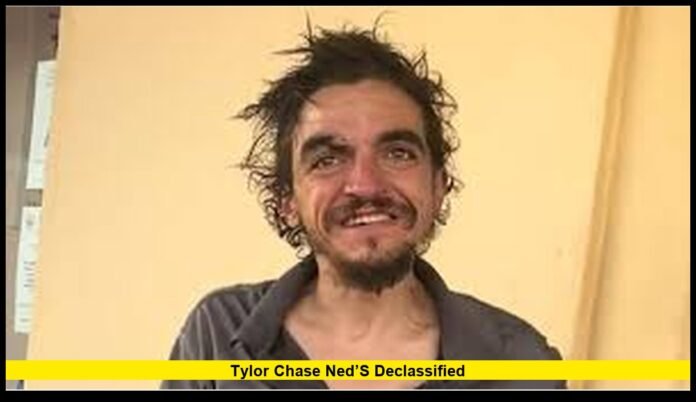

Tylor Chase Ned’s Declassified has become a widely discussed topic across the United States as confirmed developments reveal the former Nickelodeon actor’s present-day circumstances. Once recognized for his role on a beloved children’s television series, Chase is now at the center of a larger conversation involving mental health, homelessness, and the lasting impact of early fame.
This article takes a clear, factual look at where things stand today, focusing entirely on Chase’s journey, current situation, and the broader implications surrounding his story.
A Familiar Face From Early 2000s Television
For many viewers, Tylor Chase is instantly associated with Ned’s Declassified School Survival Guide, a Nickelodeon series that aired during the mid-2000s. The show built a loyal audience by blending humor with everyday school experiences, and its cast became recognizable to millions of young viewers.
Chase played Martin Qwerly, a recurring character whose presence added to the show’s ensemble dynamic. During its original run, the series enjoyed steady popularity and continues to hold nostalgic value years later.
At the time, Chase was part of a generation of young actors who experienced early visibility before fully entering adulthood.
Life After the Cameras Stopped Rolling
When Ned’s Declassified ended, Chase did not remain in the entertainment spotlight. While he made a few limited appearances in other projects, his acting work slowed significantly.
Unlike performers who transition into long-term Hollywood careers, Chase’s professional path became less public. Over time, he stepped away from regular acting, and updates about his life became increasingly rare.
For many fans, this quiet disappearance was simply assumed to be a personal choice. Only later did the depth of his struggles become visible.
Mental Health as a Defining Factor
Mental health challenges have played a central role in Chase’s adult life. He has lived with serious mental health conditions that affect his ability to maintain stability, consistency, and independence.
Family members have explained that these challenges interfere with daily functioning, including managing responsibilities, maintaining treatment routines, and navigating long-term planning. These factors have contributed directly to his current living situation.
Rather than being the result of a single event, his circumstances reflect years of unmanaged difficulty.
Current Living Situation in California
As of the most recent confirmed updates, Chase is living unhoused in Riverside, California. He has been seen in public spaces and has occasionally interacted with people who recognize him from television.
Local outreach efforts have been made, and authorities are familiar with him. He is not facing criminal charges and is not wanted by law enforcement. Assistance has been offered, including shelter and support services, but he has chosen not to accept them.
This refusal highlights a difficult reality: adults experiencing mental health crises are often legally allowed to decline help unless specific safety conditions are met.
Public Attention and Viral Moments
Recent viral videos brought Chase back into the national conversation. In these clips, he openly acknowledged his past television role, which surprised many viewers.
The contrast between his early fame and his current situation sparked strong reactions. Some expressed sadness, others confusion, and many called for compassion rather than judgment.
The rapid spread of these videos turned a private struggle into a public discussion almost overnight.
Family Perspective and Boundaries
Chase’s family has addressed the situation publicly, emphasizing that financial help is not the solution. They have made it clear that professional medical treatment and structured care are what he needs most.
They have also explained that unmanaged financial assistance could place him at greater risk, given his difficulty managing money and personal belongings.
This perspective has shaped how supporters approach the situation, shifting focus away from donations and toward treatment-based solutions.
Fundraising Efforts and Why They Ended
In response to public concern, fundraising efforts briefly appeared online. While these efforts were driven by good intentions, they were ultimately stopped at the request of Chase’s family.
The decision reflected a belief that money alone would not improve his condition and could complicate efforts to keep him safe.
This moment underscored the importance of listening to those closest to the situation when determining how best to help.
Reactions From Former Co-Stars
Former cast members from Ned’s Declassified School Survival Guide have spoken publicly about Chase’s situation with empathy and concern.
They have described the news as emotionally difficult and acknowledged that watching someone from their past struggle so openly is painful. At the same time, they have avoided placing blame or offering oversimplified solutions.
Their responses have focused on hope, compassion, and the importance of professional care.
Support From Others With Similar Experiences
One meaningful development has been an offer of support from a former child actor who personally experienced homelessness and later found recovery.
He has stated that treatment options and recovery programs could be made available to Chase if he chooses to accept them. These options include structured care environments designed to support long-term stability.
While no outcome is guaranteed, the offer reflects a willingness within the entertainment community to help from a place of understanding rather than publicity.
Why Acceptance of Help Is Complex
Accepting help is not always simple, especially when mental health conditions are involved. Individuals may distrust systems, feel overwhelmed, or believe they can manage on their own.
In Chase’s case, repeated refusals highlight how difficult intervention can be, even when support is available and well-intended.
This complexity is one reason his situation has resonated so widely.
A Broader Conversation About Child Stardom
The renewed attention around Chase has reopened national discussions about the long-term effects of child stardom.
Early fame often comes with pressure, identity challenges, and expectations that do not disappear when a show ends. Without strong support systems, the transition into adulthood can be difficult.
Chase’s experience has become a reminder that success at a young age does not guarantee stability later in life.
Public Response Across the U.S.
Across social media and entertainment spaces, reactions have been largely empathetic. Many viewers have shared memories of watching the show and expressed sadness over Chase’s current reality.
Others have used the moment to advocate for improved mental health services, especially for those who experience early public exposure.
The conversation has focused less on blame and more on understanding.
What Tylor Chase Ned’s Declassified Represents Today
The phrase Tylor Chase Ned’s Declassified now represents more than a television credit. It has become shorthand for a real-world story involving vulnerability, mental health, and the limits of public intervention.
It also reflects how quickly attention can shift from nostalgia to concern when new information emerges.
Where Things Stand Now
As of today:
- Chase remains unhoused in Riverside, California
- Mental health challenges continue to affect his stability
- Family members emphasize treatment over financial aid
- Support options exist but require his consent
- Public interest remains strong but cautious
No confirmed changes to his living situation have been reported.
What People Are Hoping For
Supporters, family members, and former colleagues share a hope that Chase will eventually accept professional help and begin moving toward stability.
The emphasis remains on safety, dignity, and respect for his autonomy. Those close to the situation believe that meaningful progress must come from care, patience, and professional support rather than pressure.
Why This Story Continues to Matter
Chase’s situation resonates because it touches on issues many families face, even outside the entertainment world.
Mental health struggles, homelessness, and gaps in care affect people across the country. His story simply happens to be visible because of who he once was.
That visibility has created an opportunity for reflection and awareness.
Looking Ahead
No one can predict what will happen next, but the focus remains on providing opportunities for care without pressure or public interference. Those close to the situation continue to emphasize patience, dignity, and respect for Chase’s autonomy as essential elements of any positive outcome.
For now, his well-being remains the central concern. Supporters and observers alike hope that continued awareness, combined with available treatment options, will eventually lead to a moment where he feels ready to accept professional help and move toward greater stability.
Key Takeaways
Tylor Chase remains widely recognized for his role on Ned’s Declassified School Survival Guide, a show that left a lasting mark on early 2000s children’s television and continues to resonate with U.S. audiences today. Despite that early success, he is currently living unhoused in Riverside, California, where local outreach teams and authorities have offered assistance that he has chosen not to accept.
Ongoing mental health challenges remain the defining factor in his situation, affecting his ability to maintain consistent care, housing, and daily stability. His family has reiterated that financial help is not the solution and continues to advocate for structured medical treatment and long-term professional support. The renewed public attention surrounding his circumstances has reopened national conversations about the long-term realities of child stardom, mental health access, and the need for sustained care beyond early fame.
Tylor Chase’s story remains unfinished, and many are watching with compassion, hoping for a positive turn rooted in care and understanding.