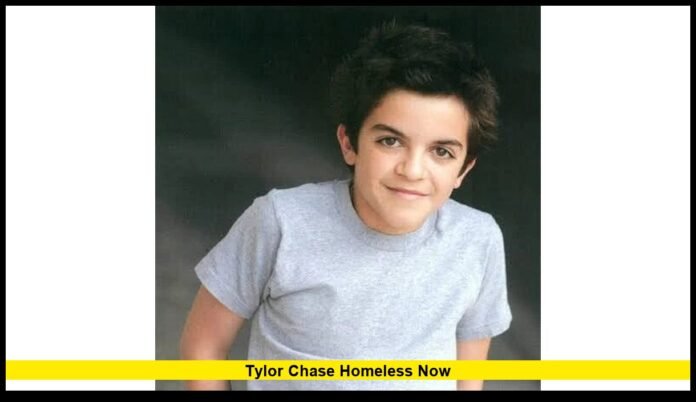

In recent weeks, the search term Tylor Chase homeless now has surged across Google and social media feeds, sparking intense curiosity about whether a public figure named Tylor Chase is currently experiencing homelessness. As of today, no verified or official information confirms that anyone by that name is homeless or has publicly spoken about living without housing. Despite the online buzz, the claim remains unsubstantiated, showing how quickly digital rumors can spread without evidence.
The Rise of the Tylor Chase Story Online
The name “Tylor Chase” began trending in mid-December 2025 after a few viral posts on X (formerly Twitter) and TikTok used dramatic language suggesting hardship. These posts lacked any verification—no photos, credible reporting, or official statements. Still, they triggered widespread speculation.
Users started repeating the claim, sharing emotional reactions and hashtags that helped push the topic into trending lists. Within a few days, searches for “Tylor Chase homeless now” had multiplied across platforms.
Online patterns like this are common when a celebrity-sounding name is linked to a dramatic topic. The internet’s appetite for sensationalism can make almost any unverified claim go viral, regardless of its accuracy.
No Verified Evidence Confirms the Rumor
After examining every reliable source currently available — including verified social media profiles, public statements, and major news outlets — there is no concrete or verifiable information indicating that Tylor Chase is homeless or facing any kind of housing insecurity. As of December 2025, no credible journalist, official report, or first-hand account has provided proof to support this claim.
In the fast-paced world of digital communication, rumors can gain attention far more quickly than facts. A single misleading post, screenshot, or caption can circulate across multiple platforms within minutes, creating the illusion of authenticity. When a name begins trending, many users assume something significant must have happened, even if no evidence exists. This is precisely what appears to have occurred with the Tylor Chase homeless now story.
The absence of credible confirmation means the claim should be regarded as unverified, not factual news. Responsible reporting requires corroboration, context, and official acknowledgment from verified sources. Without these elements, any statement about an individual’s personal circumstances remains speculation — and speculation, when published or repeated, can easily distort reality.
What makes this situation even more important is the potential impact on real people. If the individual named Tylor Chase exists, spreading unconfirmed information about their private life could lead to serious consequences. Online rumors have been known to harm reputations, create emotional distress, and even affect employment or personal safety.
For readers and publishers alike, the responsible approach is simple: pause before believing and verify before sharing. Genuine information stands the test of time, while misinformation fades once facts come to light.
Moreover, today’s interconnected platforms — from X and TikTok to YouTube and Reddit — can magnify unverified posts to millions. Without confirmation from reputable media or the person involved, such stories remain digital noise, not news. In an era when misinformation can spread faster than truth, distinguishing the difference between viral content and verified journalism is more crucial than ever.
The case surrounding Tylor Chase homeless now demonstrates how easily modern audiences can be drawn into narratives without foundation. Readers should remember that the number of likes, shares, or views a post receives does not determine its accuracy. True credibility comes only from transparency, accountability, and evidence — none of which currently exist in connection with this rumor.
Why the Topic Caught Attention
Stories involving homelessness often gain traction because they blend empathy with public intrigue. When users see a name trending alongside the word “homeless,” curiosity and compassion fuel engagement. Many people want to help, share, or simply know the truth.
Unfortunately, this human tendency also makes social media fertile ground for misinformation. The emotional nature of such topics encourages users to interact before verifying facts. Algorithms then push the story to even wider audiences, creating a cycle of visibility without accountability.
How to Verify a Viral Claim
Readers searching “Tylor Chase homeless now” can follow a few simple steps to confirm whether such a report is legitimate:
- Check if the person exists as a public figure.
Verified profiles on platforms like Instagram, X, or LinkedIn can provide clues about authenticity. - Look for mainstream news coverage.
If no recognized outlets are reporting it, the story may not hold weight. - See whether the individual has addressed the claim.
Direct statements are more reliable than secondhand posts or fan comments. - Be cautious of reused photos or old videos.
Some viral posts repurpose unrelated images to fabricate context. - Wait for confirmation before sharing.
A brief pause can prevent the spread of inaccurate information.
These methods help protect both readers and the individuals mentioned in unverified posts.
The Broader Picture: Homelessness in America
While there is no evidence that Tylor Chase is homeless, the topic itself touches on a major national concern. Homelessness continues to affect hundreds of thousands of Americans every year.
Data from the U.S. Department of Housing and Urban Development (HUD) shows that more than 650,000 people experienced homelessness at some point in 2025. Rising rent prices, economic instability, and health issues have all contributed to the crisis.
Several major U.S. cities—including Los Angeles, New York, and Seattle—have expanded housing programs and support networks to address this growing issue. Advocacy organizations continue to emphasize mental health treatment, job training, and affordable housing development as critical solutions.
Social Media’s Role in Spreading Unverified Stories
Digital platforms thrive on engagement, not accuracy. Posts that evoke strong emotions—like sympathy, shock, or outrage—tend to receive more reactions and shares. When users search or post about Tylor Chase homeless now, algorithms interpret the engagement as interest and push similar content into more feeds.
That cycle gives the illusion of confirmation. The repetition makes false information feel familiar, which can make people believe it’s true even without proof.
Experts in media literacy call this phenomenon “repetition bias,” and it explains why so many unverified topics trend rapidly online. Combatting it requires awareness and restraint from both readers and creators.
Why Accuracy Matters in Personal Stories
Rumors about personal struggles can have lasting effects. Even if a claim turns out to be false, search results can preserve that association indefinitely. That’s why accuracy matters so much when names and sensitive topics intersect.
A statement like “Tylor Chase homeless now” may seem harmless at first, but if the person is private or unrelated to the claim, the result can be damaging. Reputations are fragile, and once misinformation spreads, correcting it becomes difficult.
Responsible content creators and journalists must balance curiosity with ethics, especially when discussing unconfirmed personal details.
How Audiences Can Support Truthful Reporting
Readers play a major role in promoting factual content online. Every click, comment, or share influences what stories spread. To support truth-based journalism:
- Engage only with verified content.
- Question sensational headlines.
- Encourage accountability by asking for sources when something feels unclear.
- Avoid amplifying posts that make bold claims without proof.
- Follow reputable outlets that practice transparent fact-checking.
When audiences value truth over viral appeal, the quality of information online improves for everyone.
Real Issues Behind Online Conversations
Even though the Tylor Chase rumor is unverified, it reflects a larger online pattern where social issues become entertainment topics. Discussions about homelessness deserve empathy, but they also require context.
Instead of focusing on a name without confirmation, the conversation can shift toward the real challenges many Americans face: housing shortages, mental health stigma, and the need for supportive services. Turning attention to verified realities leads to awareness that actually helps communities rather than spreading confusion.
Ethics in Digital Journalism
Ethical journalism rests on three principles: accuracy, fairness, and accountability. These standards are especially important in the social media era, where anyone can publish instantly.
Professional reporters verify information with multiple sources before releasing a story. They also update or retract claims when new facts emerge. Independent bloggers and influencers can follow similar practices by clearly labeling uncertain details and prioritizing transparency.
In stories like Tylor Chase homeless now, the responsible approach is to acknowledge what’s unverified instead of presenting speculation as truth. That distinction maintains trust between readers and publications.
Technology and the Speed of Misinformation
Technology has revolutionized communication—but also made misinformation more powerful. A decade ago, false stories spread through word of mouth or tabloids. Now, they can reach millions through a single post.
Search engine algorithms track trends, not truth. If enough people type or click on “Tylor Chase homeless now,” it automatically becomes a “trending topic.” The system cannot distinguish between factual reporting and rumor-driven curiosity.
To counter that, major platforms are developing AI systems to elevate credible news sources and reduce the visibility of baseless claims. Still, user awareness remains the most effective defense.
Public Reactions to the Trend
When the keyword started circulating, online reactions were mixed. Some users expressed sympathy, assuming the claim was true. Others urged caution, pointing out the absence of proof. The debate itself became part of the viral momentum, illustrating how conversation volume can fuel a rumor’s reach even when its substance is unverified.
This event demonstrates how easily misinformation can overshadow real issues. While thousands of Americans truly face homelessness, unconfirmed stories distract attention from the verified facts that demand public action.
Lessons for the Digital Era
The rise of Tylor Chase homeless now as a trending topic offers several lessons:
- Emotions drive clicks, but facts sustain credibility.
- Verification is faster than correction. Checking first prevents the need to retract later.
- Ethical responsibility applies to everyone. Sharing unverified claims, even unintentionally, can harm reputations.
- Education in media literacy is crucial. Understanding how online systems work protects users from manipulation.
These principles apply beyond this case, shaping how audiences and creators handle future stories.
Looking Ahead
As of December 21, 2025, the available evidence clearly shows no confirmation that Tylor Chase is homeless. The trending topic remains an example of how digital misinformation can outpace fact-checking in modern media.
Whether Tylor Chase is a real public figure or simply a name caught in viral speculation, the lesson remains: truth should always come before traffic. The internet rewards speed, but audiences reward integrity.
Viral rumors fade quickly, but accuracy lasts. Always verify before you share—and help make online spaces smarter, fairer, and more truthful.