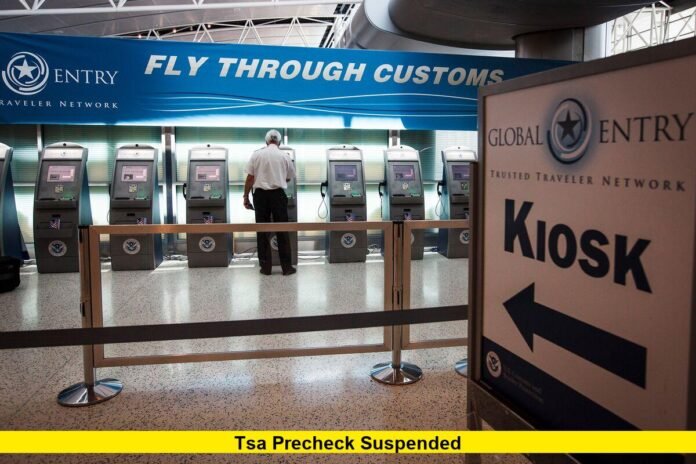

tsa precheck suspended discussions are gaining attention across the United States as federal funding pressures raise questions about trusted traveler programs. Travelers are increasingly asking whether TSA PreCheck benefits could be affected if government operations face extended disruptions, especially as administrative services tied to enrollment and renewals depend on available funding and staffing.
TSA PreCheck remains one of the most widely used travel programs, offering faster screening lanes and fewer security steps at airports nationwide. When shutdown conditions or agency funding challenges emerge, travelers often worry about whether these conveniences will continue without interruption.
If you have a trip coming up, take a moment now to review your Known Traveler Number, verify your airline profile, and allow extra time at the airport so unexpected delays do not disrupt your plans.
Airports and federal agencies continue preparing contingency strategies that prioritize frontline screening while evaluating how administrative services may be adjusted if resource limitations persist.
Why TSA PreCheck Faces Disruption Risks
TSA PreCheck operates within the Transportation Security Administration, which is part of the Department of Homeland Security. During periods of funding uncertainty, essential screening continues, but support services may slow or temporarily pause.
Administrative functions affected can include:
- New enrollments
- Interview scheduling
- Application processing
- Customer support requests
- Renewal timelines
These slowdowns create the perception that the program is suspended even when airport screening lanes remain operational.
Staffing priorities shift toward security checkpoints, which are considered essential.
What “Suspended” Typically Means For Travelers
When officials discuss program suspension, the impact usually focuses on administrative access rather than checkpoint use.
Travelers already enrolled in TSA PreCheck typically retain screening benefits because airport security operations continue regardless of funding conditions. However, those applying for the first time or attempting to renew may experience noticeable delays.
In practice, travelers may see:
- Fewer enrollment appointments
- Longer processing times
- Temporary enrollment center closures
- Backlogs once services resume
These factors shape traveler perception even when lanes remain open.
Global Entry And Connected Programs Also Affected
Global Entry often experiences stronger disruption because it relies heavily on in-person interviews, background checks, and customs staffing.
Applicants may encounter:
- Interview cancellations
- Reduced appointment availability
- Slower conditional approvals
- Delayed final approvals
Because Global Entry includes TSA PreCheck benefits, disruptions can indirectly affect travelers seeking expedited screening through bundled programs.
Enrollment demand remains high, which increases backlog risk during service interruptions.
Airport Security Operations Continue
Airport security screening is classified as essential for aviation safety. This means TSA officers continue operating checkpoints even when administrative services face limitations.
Passengers with TSA PreCheck generally still access dedicated lanes, but service levels can vary depending on staffing and passenger volume.
Travelers may notice:
- Longer wait times during peak hours
- Lane consolidation at some airports
- Increased variability between airports
- Temporary procedural adjustments
These operational differences depend on local staffing conditions.
Enrollment Centers Are Most Vulnerable
Enrollment centers depend on staffing and contracts that may not fall under essential operations. When resources tighten, these locations are often the first to scale back.
This creates a clear distinction between program access and program use.
Travelers planning to enroll before upcoming trips may find fewer appointments available, while those already enrolled typically continue using their benefits.
Mobile enrollment events — frequently used to reduce appointment backlogs — may pause first.
How Airlines And Airports Respond
Airlines monitor screening efficiency closely because delays at checkpoints affect departure timing and passenger flow.
Airports may adjust messaging, staffing coordination, and traveler guidance when administrative disruptions impact trusted traveler programs.
Some airports encourage passengers to arrive earlier than usual, particularly during busy travel periods or holidays.
Communication efforts often focus on wait time expectations and traveler preparation.
Steps Travelers Can Take Right Now
Travelers can reduce uncertainty by taking proactive steps:
- Confirm your Known Traveler Number is attached to reservations
- Check membership expiration dates early
- Avoid waiting until the last minute to renew
- Monitor airline notifications for security updates
- Plan additional time for international travel requiring interviews
Preparation helps minimize the impact of administrative slowdowns.
Travelers who rely heavily on expedited screening benefit from reviewing membership status before each trip.
Long-Term Effects Of Administrative Disruptions
If disruptions continue for an extended period, enrollment backlogs become the most significant challenge.
Past funding interruptions have led to:
- Appointment shortages lasting months
- Slower background check timelines
- Increased demand once services resume
- Extended processing times for new applicants
These effects can continue even after normal operations return.
Growing travel demand amplifies the impact of any slowdown.
Why TSA PreCheck Remains Widely Used
Despite disruption risks, TSA PreCheck continues to play a major role in airport efficiency.
Millions of travelers rely on shorter lines, reduced screening steps, and more predictable airport timing. Frequent flyers often consider it essential for business and regular travel.
The program helps airports manage high passenger volumes by separating expedited travelers from standard screening lines.
Even when administrative services slow, the screening advantage remains valuable.
What Travelers Should Expect Next
Travelers should watch for operational updates related to enrollment availability, interview scheduling, and renewal timelines.
Short-term impacts typically appear in application processing before affecting airport experiences. Over time, backlogs can influence how quickly travelers gain access to expedited screening.
Understanding the difference between administrative disruption and checkpoint operations helps travelers make informed decisions.
Flexibility remains important when planning trips during periods of program uncertainty.
Before your next flight, double-check your PreCheck status, confirm reservation details, and plan extra arrival time so your travel day stays predictable.
Take a minute today to review your membership status and travel plans so you can move through airport security with fewer surprises.
Have you noticed changes in TSA PreCheck lines at your airport? Share your experience and stay tuned for future travel updates.